Αρ. 99639217

Αρ. 99639217
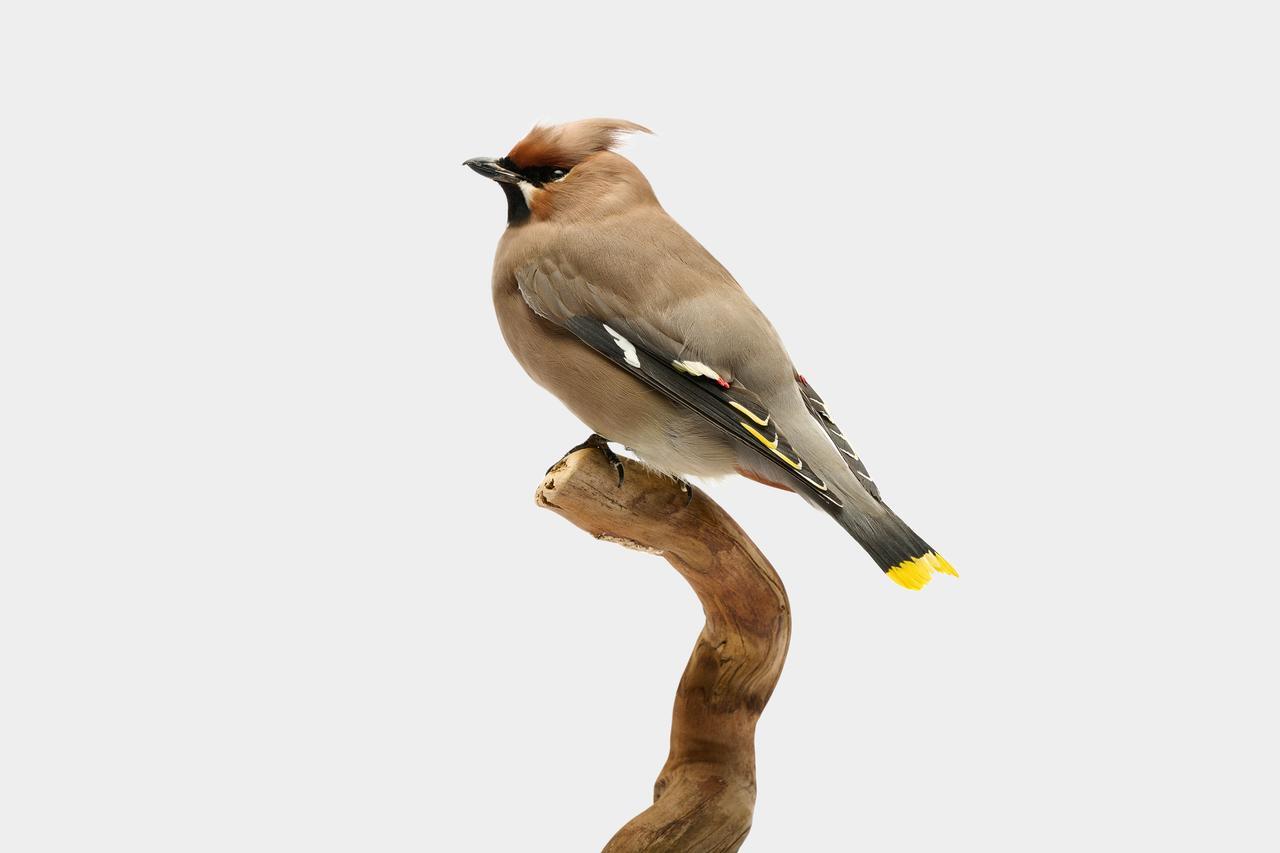
Common swift (Apus apus) – In excellent condition – No reserve
A sleek, dark silhouette clinging to a rugged piece of bark: this common swift seems to be resting for a brief moment before launching itself back into the summer sky. Mounted on a natural tree trunk section, it has a calm, almost sculptural presence that fits beautifully in a modern, minimalist or natural-history-inspired interior.
The common swift is famous for spending most of its life on the wing, sleeping, feeding and even mating while flying. Seeing one at rest is already special in nature – having one so well preserved on a piece of bark makes this a striking and rare display piece. The understated brown tones of the plumage contrast nicely with the rough bark, giving it a refined, natural look on a wall or in a cabinet of curiosities.
Natural history context
Apus apus breeds throughout Europe and migrates to Africa for the winter, travelling thousands of kilometres each year. Swifts are among the fastest flyers in level flight and are superb aerial insect hunters. In many European cities, their screaming flocks are a classic sound of late spring and early summer. Populations in some regions have declined due to modern building techniques that remove nesting cavities, making historic specimens and conservation stories around swifts increasingly interesting for bird and nature lovers.
Details
Species: Common swift (Apus apus)
Mount: Wall-mounted on natural tree bark section
Period of mounting: Late 1970s – early 1980s
Dimensions (overall, incl. base): approx. 31 x 10 x 10 cm (h x w x d)
Height of bark section: approx. 31 cm
Diameter of bark section: approx. 10 cm
Condition: In excellent condition with a well-preserved plumage and natural posture
Legal and ring information
This specimen was legally and professionally mounted in the Netherlands in accordance with the 1936 Bird Act by high-end taxidermist R. Knol in Sint Maartensdijk, Netherlands.
The metal ring visible on the leg is a typical bird-ring from the 1970s–1980s. Such rings were issued by ornithological organisations or breeders for identification and research. They contain coded information such as the issuing organisation’s abbreviation, the breeder’s or ringer’s unique number, the year code, and a sequential identification number.
Shipping
Will be carefully packed with ample protection to ensure safe transport
Shipped with track & trace; the buyer will receive the tracking number as soon as the parcel is dispatched
Πώς να πραγματοποιήσετε αγορές στην Catawiki
1. Ανακαλύψτε κάτι ιδιαίτερο
2. Υποβάλετε την κορυφαία προσφορά
3. Πληρώστε με ασφάλεια