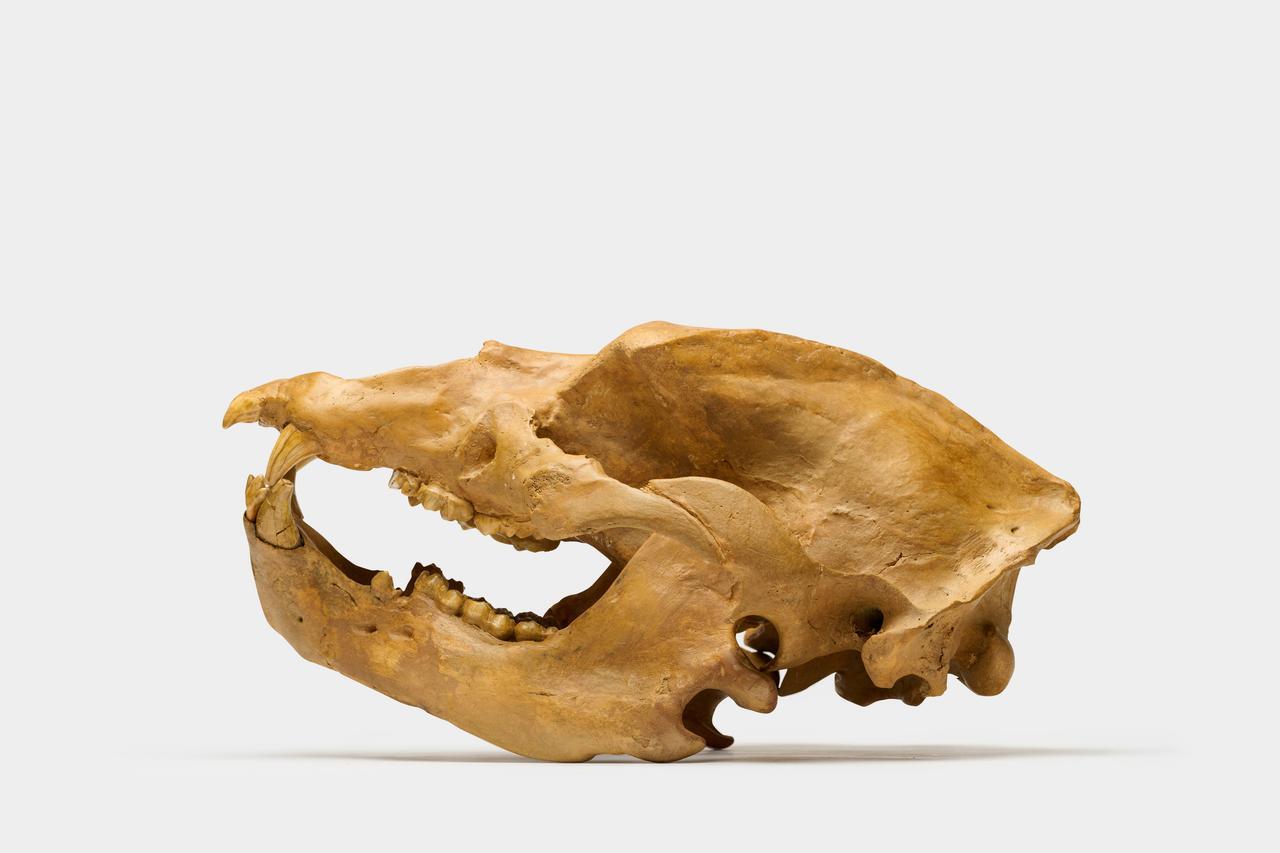
Ammonite - Fossilised animal - Arietites - 25 cm - 33 cm


03
days
02
hours
33
minutes
48
seconds

8 other people are watching this object
 Bidder 8687 Bidder 8687 | €50 | |
|---|---|---|
 Bidder 0319 Bidder 0319 | €2 | |
| Bidder 0319 | €1 |
Catawiki Buyer Protection
Your payment’s safe with us until you receive your object.View details
Trustpilot 4.4 | 122115 reviews
Rated Excellent on Trustpilot.
Arietites ammonite from Germany, Jura period (201.3–145 million years ago), naturally preserved, weight 18.2 kg, dimensions 25 × 33 cm, three-dimensionally preserved.
AI-assisted summary
Description from the seller
I am selling a large ammonite from my grandparents' estate. It has a rare gray-black color (coloration due to a high pyrite content (iron(II) disulfide)).
Smallest diameter: 25 cm
Largest diameter: 33cm
Weight: 18.2kg
preserve in three dimensions
It originates from the Jurassic or Cretaceous period and is therefore at least 66 million years old.
Self-collection in 50996 Cologne-Rodenkirchen or insured shipping as a DHL package.
... and a little more Wikipedia education.
The ammonites (Ammonoidea) are an extinct subgroup of cephalopods. This taxon was highly diverse, with over 1,500 known genera. The number of species is estimated to have been around 30,000 to 40,000. The shell size of mature animals typically ranges from 1 to 30 cm. A specimen with a diameter of only 35 cm has been referred to as the Upper Palatinate giant ammonite. The famous exception is Parapuzosia seppenradensis, with a shell diameter of about 1.80 meters, making it the largest known species. Ammonites have been among the most important index fossils for about 350 million years, from their first appearance in the Lower Devonian until their extinction at the end of the Cretaceous (Cretaceous-Paleogene boundary). In some cases, the chronological separation of marine sediments is based solely on ammonites. They are therefore of great importance to geology and paleontology. Due to their diversity and abundance, they are also popular among fossil collectors and are frequently found in the fossil trade.
I am selling a large ammonite from my grandparents' estate. It has a rare gray-black color (coloration due to a high pyrite content (iron(II) disulfide)).
Smallest diameter: 25 cm
Largest diameter: 33cm
Weight: 18.2kg
preserve in three dimensions
It originates from the Jurassic or Cretaceous period and is therefore at least 66 million years old.
Self-collection in 50996 Cologne-Rodenkirchen or insured shipping as a DHL package.
... and a little more Wikipedia education.
The ammonites (Ammonoidea) are an extinct subgroup of cephalopods. This taxon was highly diverse, with over 1,500 known genera. The number of species is estimated to have been around 30,000 to 40,000. The shell size of mature animals typically ranges from 1 to 30 cm. A specimen with a diameter of only 35 cm has been referred to as the Upper Palatinate giant ammonite. The famous exception is Parapuzosia seppenradensis, with a shell diameter of about 1.80 meters, making it the largest known species. Ammonites have been among the most important index fossils for about 350 million years, from their first appearance in the Lower Devonian until their extinction at the end of the Cretaceous (Cretaceous-Paleogene boundary). In some cases, the chronological separation of marine sediments is based solely on ammonites. They are therefore of great importance to geology and paleontology. Due to their diversity and abundance, they are also popular among fossil collectors and are frequently found in the fossil trade.
Details
Number of items
1
Specimen
Ammonite
Scientific name
Arietites
Country of Origin
Germany
Geological Period
Jurassic (201.3 - 145 million years)
Condition
Natural
Weight
18.2 kg
Height
25 cm
Width
33 cm
Sold by