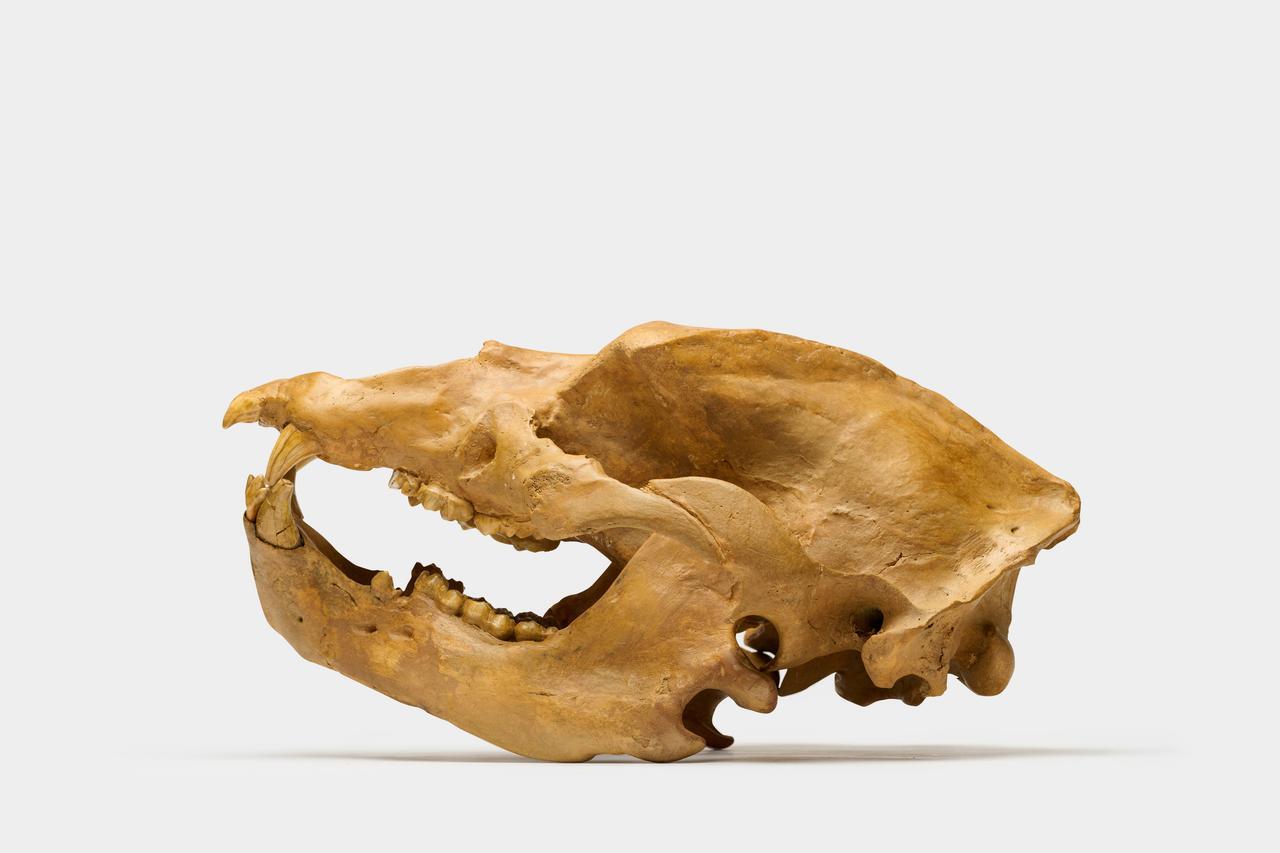
Fossil molar of Mammuthus primigenius – North Sea - Fossil tooth - Mammuthus Primigenius - 255 mm - 230 mm


04
days
20
hours
14
minutes
53
seconds

12 other people are watching this object
 Bidder 7169 Bidder 7169 | €15 | |
|---|---|---|
 Bidder 0578 Bidder 0578 | €2 | |
 Bidder 8351 Bidder 8351 | €1 |
Catawiki Buyer Protection
Your payment’s safe with us until you receive your object.View details
Trustpilot 4.4 | 122115 reviews
Rated Excellent on Trustpilot.
Scientific name Mammuthus primigenius, Specimen: fossil molar from Mammuthus primigenius from the North Sea, Geological period: Pleistocene (2.58–0.0117 million years ago), Condition: natural.
AI-assisted summary
Description from the seller
The fossil molar of Mammuthus Primigenius presented here comes from the North Sea and is dated to the Pleistocene, a period spanning from about 2.58 million to 11,700 years ago. This tooth exhibits the typical lamellar structure with highly mineralized enamel crests, a key evolutionary adaptation for a diet based on tough grasses and roots. Woolly mammoths had high-crowned molars with more than 15 enamel laminae in adulthood, a feature that allowed them to grind the fibrous vegetation of the Eurasian glacial steppes.
During the Pleistocene, Doggerland, now submerged under the North Sea, was an area rich in prehistoric fauna, inhabited by mammoths, woolly rhinoceroses, and other large herbivores. The remains of these creatures are often dredged from the seabed or recovered by fishermen and divers.
The Mammuthus primigenius became extinct about 10,000 years ago, probably due to a combination of climate changes and hunting by humans. However, some small groups survived until 4,000 years ago in remote areas such as Wrangel Island, in Siberia.
This fossil is a testament to a now-extinct ice age.
Perfect for collectors and paleontology enthusiasts.
Excellent specimen for museum or private exhibitions.
Seller's Story
The Mineral Art Gallery offers minerals, fossils, shells and natural elements.
Born in Italy in 2017, today she collaborates with international galleries and collectors, she is a direct importer of large minerals and naturalistic collectible elements; deals with the processing to insert them inside the living space. A section of the gallery was dedicated to the Wunderkammer, "chamber of wonders or cabinet of curiosities" in which Mirabilia elements are presented: naturalia and italiania, a union between "the present is the past".
All lots are shipped via DHL Express and Fercam couriers, with insured parcel and tracking.
Translated by Google TranslateThe fossil molar of Mammuthus Primigenius presented here comes from the North Sea and is dated to the Pleistocene, a period spanning from about 2.58 million to 11,700 years ago. This tooth exhibits the typical lamellar structure with highly mineralized enamel crests, a key evolutionary adaptation for a diet based on tough grasses and roots. Woolly mammoths had high-crowned molars with more than 15 enamel laminae in adulthood, a feature that allowed them to grind the fibrous vegetation of the Eurasian glacial steppes.
During the Pleistocene, Doggerland, now submerged under the North Sea, was an area rich in prehistoric fauna, inhabited by mammoths, woolly rhinoceroses, and other large herbivores. The remains of these creatures are often dredged from the seabed or recovered by fishermen and divers.
The Mammuthus primigenius became extinct about 10,000 years ago, probably due to a combination of climate changes and hunting by humans. However, some small groups survived until 4,000 years ago in remote areas such as Wrangel Island, in Siberia.
This fossil is a testament to a now-extinct ice age.
Perfect for collectors and paleontology enthusiasts.
Excellent specimen for museum or private exhibitions.
Seller's Story
The Mineral Art Gallery offers minerals, fossils, shells and natural elements.
Born in Italy in 2017, today she collaborates with international galleries and collectors, she is a direct importer of large minerals and naturalistic collectible elements; deals with the processing to insert them inside the living space. A section of the gallery was dedicated to the Wunderkammer, "chamber of wonders or cabinet of curiosities" in which Mirabilia elements are presented: naturalia and italiania, a union between "the present is the past".
All lots are shipped via DHL Express and Fercam couriers, with insured parcel and tracking.
Translated by Google TranslateDetails
Specimen
Fossil molar of Mammuthus primigenius – North Sea
Scientific name
Mammuthus Primigenius
Country of Origin
North Sea
Geological Period
Quaternary, Pleistocene (2.58 - 0.0117 million years)
Condition
Natural
Weight
2350 g
Height
255 mm
Width
230 mm
Depth
100 mm
Sold by