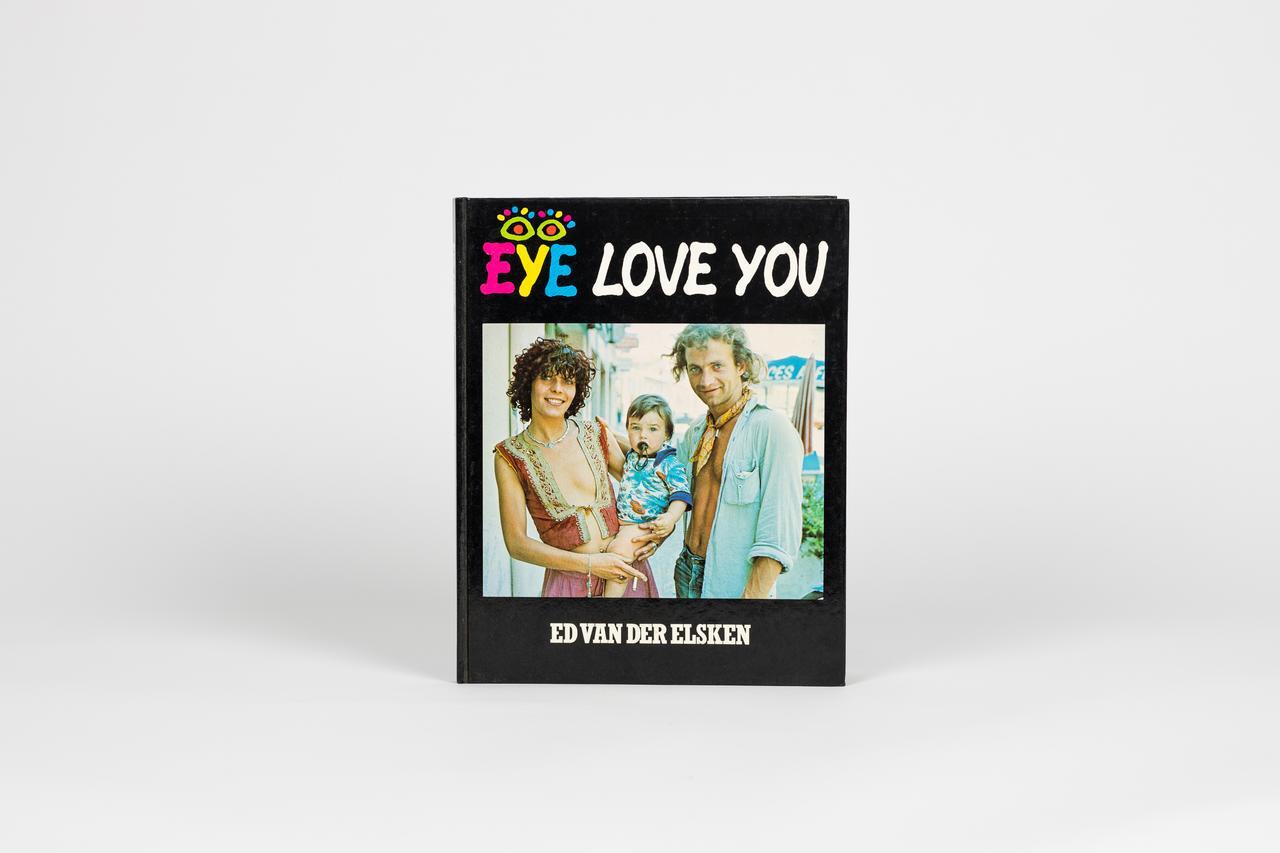
Signed; Robert Heinecken - The Friends of Photography (Limited Edition) - 1980


03
days
22
hours
17
minutes
10
seconds
Current bid
€ 50
Reserve price not met
Expert
Selected by Tom Hopman
Studied history and managed a large online book catalogue with 13 years' antiquarian bookshop experience.
Estimate € 150 - € 200
12 other people are watching this object
 Bidder 6477 Bidder 6477 | €50 | |
|---|---|---|
 Bidder 6998 Bidder 6998 | €3 | |
 Bidder 3605 Bidder 3605 | €2 | |
Catawiki Buyer Protection
Your payment’s safe with us until you receive your object.View details
Trustpilot 4.4 | 122115 reviews
Rated Excellent on Trustpilot.
The Friends of Photography (Limited Edition) by Robert Heinecken, signed and stamped-numbered limited first edition, hardcover, 160 pages, in English.
AI-assisted summary
Description from the seller
First edition, first printing. Limited edition of 2,000 signed and numbered copies. Signed on the limitation page by Heinecken (the book was shrink-wrapped by the publisher after signing). Hardcover. Black cloth-covered boards with title debossed on the cover and stamped in silver on the spine, no dust jacket as issued. Photographs, prints, mixed-media works, and text by Robert Heinecken. Edited by James Enyeart. Contributions by Marvin Bell, Carl Chiarenza, Candida Finkel, Charles Hagen, William Jenkins, and John Upton. Includes a chronology, exhibition history, and bibliography. Designed by Peter A. Andersen. 160 pages, with 58 four-color and 39 black-and-white plates printed on 100-lb. Quintessence dull book paper by Garder/Fulmer Lithography, Buena Park, California. 9-1/4 x 12-1/4 inches. Out of print. Scarce. This is the first major publication of Heinecken's work. New in publisher's shrink-wrap and original cardboard shipping box (signed before packaging). About Robert Heinecken: Robert Heinecken is one of the most innovative and influential artists of the second half of the 20th century. He was a pioneer of postmodern photographic practices, and his work anticipated the Pictures Generation artists of the 1970s and 1980s who practiced the appropriation of images from advertising and the media. A self-described 'para-photographer,' Heinecken was always challenging the conventions of the then-accepted 'canon' of photography. He transformed the possibilities of the medium and had a profound impact on many photography-based artists who studied with him. Influenced by Dada and Surrealism, especially Marcel Duchamp, Man Ray, and John Heartfield, Heinecken worked with numerous photographic techniques and materials, often combining them with various printmaking processes. In addition to offset lithography and etching, he made use of film transparencies, photographic emulsion on canvas, gelatin silver prints mounted to wood (e.g., 'Multiple Solution Puzzle' Series), Polaroid materials, mixed media collage, and photograms (e.g., ARE YOU REA and Recto/Verso Series). His source materials included popular 'lifestyle' magazines, advertising, images taken directly from television screens, pornography, and news photographs. Through his groundbreaking works, Heinecken transformed American notions of consumerism, war, eroticism, and mass media. From Robert Heinecken (mid-1960s): 'We constantly tend to misuse or misunderstand the term reality in reference to photographs. The photograph itself is the only thing that is real, that exists. (There is a vast difference between taking a picture and making a photograph.)' An excerpt from a text written by Carl Chiarenza (1976): 'He uses existing photographs and their reproductions because they have littered the world and our minds with unlimited examples of every conceivable image of truth, beauty, banality, eroticism, brutality, pornography, consumerism, political idea, personality, idol, and ideal. Indeed, one is hard put to name anything that has not been replaced by a photographically derived image. His recycling of these images makes this astounding point before making any other. Heinecken knows the photograph is not real. He also knows that most of us still believe it is. The camera eye is lusty and insatiable, a perfect match for Heinecken's eye.' Robert Heinecken was born in 1931 in Denver, Colorado, and in 1942 his family relocated to Riverside, California. After serving in the US Marine Corps, he earned a BA in 1959 from the University of California, Los Angeles, where he continued his studies, specializing in printmaking, and graduated with an MFA in 1960. He founded the graduate program for photography at UCLA in 1964, where he taught until 1991. Heinecken died at age 74 in 2006 in Albuquerque, New Mexico.
First edition, first printing. Limited edition of 2,000 signed and numbered copies. Signed on the limitation page by Heinecken (the book was shrink-wrapped by the publisher after signing). Hardcover. Black cloth-covered boards with title debossed on the cover and stamped in silver on the spine, no dust jacket as issued. Photographs, prints, mixed-media works, and text by Robert Heinecken. Edited by James Enyeart. Contributions by Marvin Bell, Carl Chiarenza, Candida Finkel, Charles Hagen, William Jenkins, and John Upton. Includes a chronology, exhibition history, and bibliography. Designed by Peter A. Andersen. 160 pages, with 58 four-color and 39 black-and-white plates printed on 100-lb. Quintessence dull book paper by Garder/Fulmer Lithography, Buena Park, California. 9-1/4 x 12-1/4 inches. Out of print. Scarce. This is the first major publication of Heinecken's work. New in publisher's shrink-wrap and original cardboard shipping box (signed before packaging). About Robert Heinecken: Robert Heinecken is one of the most innovative and influential artists of the second half of the 20th century. He was a pioneer of postmodern photographic practices, and his work anticipated the Pictures Generation artists of the 1970s and 1980s who practiced the appropriation of images from advertising and the media. A self-described 'para-photographer,' Heinecken was always challenging the conventions of the then-accepted 'canon' of photography. He transformed the possibilities of the medium and had a profound impact on many photography-based artists who studied with him. Influenced by Dada and Surrealism, especially Marcel Duchamp, Man Ray, and John Heartfield, Heinecken worked with numerous photographic techniques and materials, often combining them with various printmaking processes. In addition to offset lithography and etching, he made use of film transparencies, photographic emulsion on canvas, gelatin silver prints mounted to wood (e.g., 'Multiple Solution Puzzle' Series), Polaroid materials, mixed media collage, and photograms (e.g., ARE YOU REA and Recto/Verso Series). His source materials included popular 'lifestyle' magazines, advertising, images taken directly from television screens, pornography, and news photographs. Through his groundbreaking works, Heinecken transformed American notions of consumerism, war, eroticism, and mass media. From Robert Heinecken (mid-1960s): 'We constantly tend to misuse or misunderstand the term reality in reference to photographs. The photograph itself is the only thing that is real, that exists. (There is a vast difference between taking a picture and making a photograph.)' An excerpt from a text written by Carl Chiarenza (1976): 'He uses existing photographs and their reproductions because they have littered the world and our minds with unlimited examples of every conceivable image of truth, beauty, banality, eroticism, brutality, pornography, consumerism, political idea, personality, idol, and ideal. Indeed, one is hard put to name anything that has not been replaced by a photographically derived image. His recycling of these images makes this astounding point before making any other. Heinecken knows the photograph is not real. He also knows that most of us still believe it is. The camera eye is lusty and insatiable, a perfect match for Heinecken's eye.' Robert Heinecken was born in 1931 in Denver, Colorado, and in 1942 his family relocated to Riverside, California. After serving in the US Marine Corps, he earned a BA in 1959 from the University of California, Los Angeles, where he continued his studies, specializing in printmaking, and graduated with an MFA in 1960. He founded the graduate program for photography at UCLA in 1964, where he taught until 1991. Heinecken died at age 74 in 2006 in Albuquerque, New Mexico.
Details
Number of Books
1
Subject
Art, Photography
Book Title
The Friends of Photography (Limited Edition)
Author/ Illustrator
Signed; Robert Heinecken
Condition
As new
Publication year oldest item
1980
Edition
1st Edition
Language
English
Original language
Yes
Binding/ Material
Hardback
Extras
Signed, Slipcase
Number of pages
160