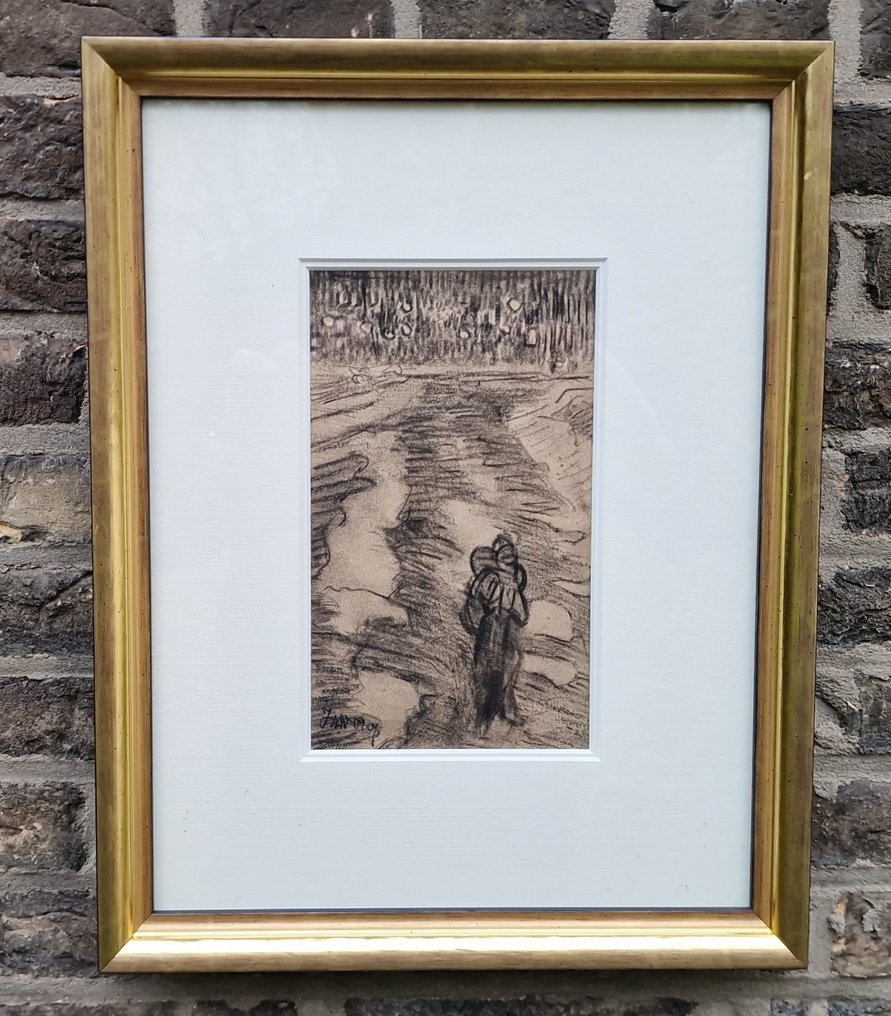
Johannes Theodorus Toorop (1858-1928) - Landschap met figuren

11
days
19
hours
38
minutes
40
seconds
Current bid
€ 96
Reserve price not met

Expert
Selected by Leo Setz
Over 30 years’ experience as art dealer, appraiser and restorer.
Estimate € 1,100 - € 1,300
18 other people are watching this object
 Bidder 5809 Bidder 5809 | €96 | |
|---|---|---|
| Bidder 5809 | €91 | |
| Bidder 5809 | €86 | |
Catawiki Buyer Protection
Your payment’s safe with us until you receive your object.View details
Trustpilot 4.4 | 121980 reviews
Rated Excellent on Trustpilot.
Landschap met figuren, an original charcoal drawing from 1900–1910 in the Impressionism style, originating from the Netherlands.
AI-assisted summary
Description from the seller
This is an artistic work by the renowned Dutch artist Johannes Theodorus Toorop (1858-1928).
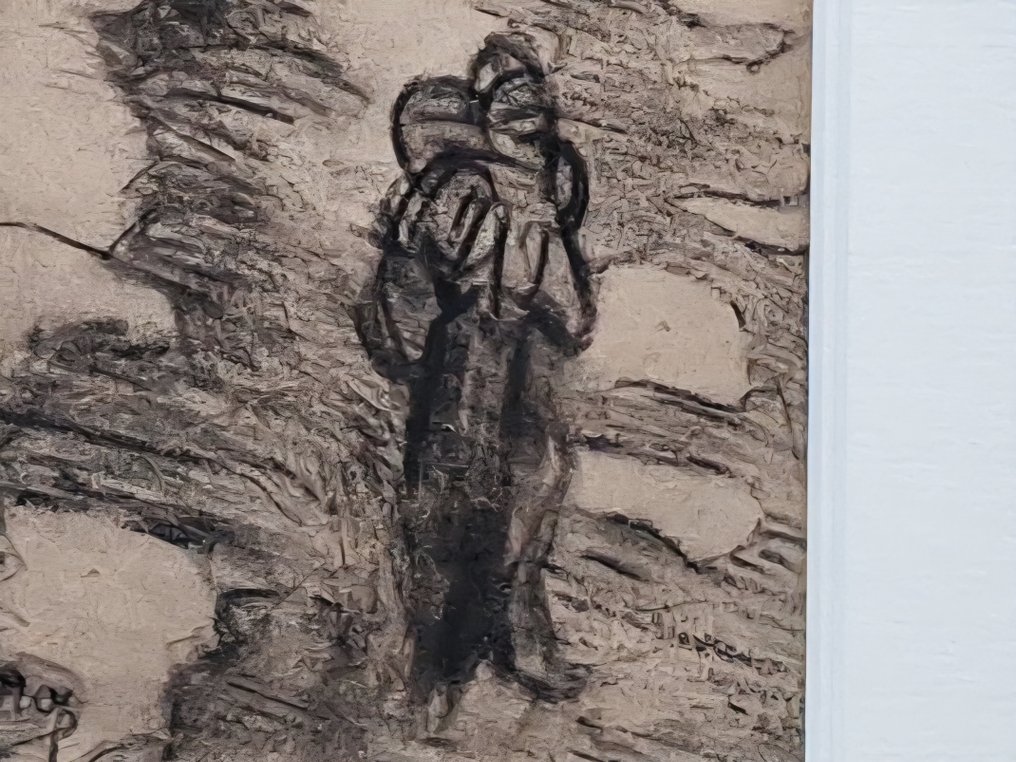
Landscape with figures
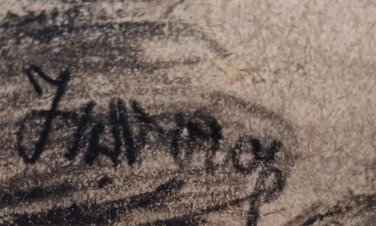
The drawing is signed bottom left and is in good condition.
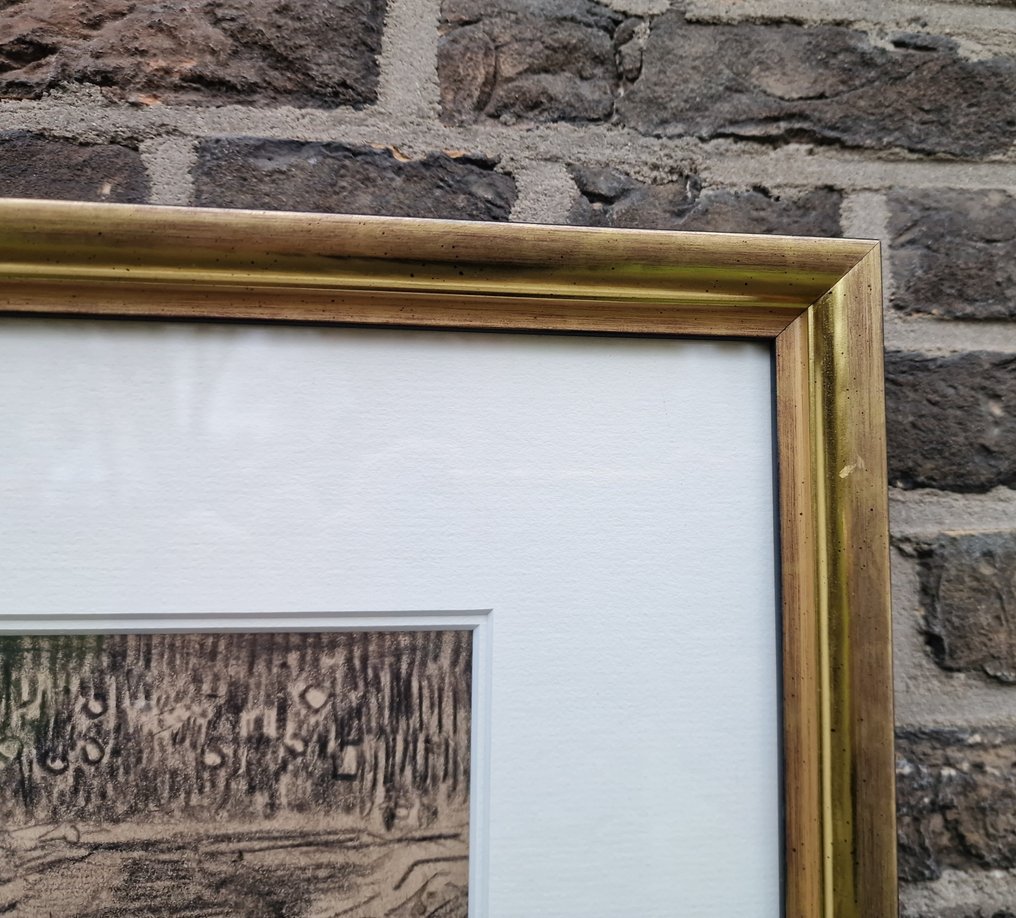
With the beautiful list, this work is an enrichment in every collection.
Jan Toorop was born in Poerworedjo (now Purworejo) on Central Java. Jan Toorop's father, Christoffel Theodoor Toorop (Pekalongan, December 3, 1827 – Buitenzorg, November 6, 1887), was a clerk at the Bagelen land council in the Dutch East Indies. His mother, Maria Magdalena Cooke, born in Pasuruan on July 21, 1837, and died in Buitenzorg on June 2, 1892, was the daughter of the English sea captain Edward Cooke and Maria Magdalena Wohlseifer, presumably of mixed descent. In 1863, the family moved to the island of Banka, where his mother was born; his father, Toorop, became an administrator at a tin mine there.
Indian roots
to process
The wild and mysterious nature of the jungle on Banka, with which his father introduced him, and the shadow play of wajang puppets, which could fill his evenings in his youth, left a lasting impression. These experiences stimulated his imagination and inspired the play of moving lines in his symbolic works. He blended influences from the West with those from the East in his symbolism.
Jan Toorop had a dark complexion and was of mixed descent, an Indo in the then-current terminology. His exotic appearance had a captivating influence on some of his admirers, particularly female ones, whom he entertained with invented stories about the Javanese aristocracy. His entertaining and lovable nature easily earned him friends. Toorop was cosmopolitan but remained loyal to his Indonesian background. In an interview, he said about this: 'Indië cannot be removed from me. The foundation of my work is Eastern.'
After one and a half years of school in Batavia, Jan left for the Netherlands to receive a better education there, while his family stayed behind in the Dutch East Indies.
Netherlands
to process
Broek in Waterland, 1889, Indianapolis Museum of Art
In 1869, he went to Leiden. There, he completed the first classes of the Leiden HBS. In 1874, he was at the HBS in Winterswijk. In 1875, he took lessons with Herman Johannes van der Weele in The Hague. Afterwards, he moved to Delft, where he studied at the Polytechnic school in Delft from 1876 to 1878. Originally, his education was oriented towards commerce, but his artistic interest led him to the Rijksakademie van Beeldende Kunsten in Amsterdam, from 1880 to 1882, under the guidance of August Allebé, and then to the Academy in Brussels, with Jean-François Portaels.
This is an artistic work by the renowned Dutch artist Johannes Theodorus Toorop (1858-1928).
Landscape with figures
The drawing is signed bottom left and is in good condition.
With the beautiful list, this work is an enrichment in every collection.
Jan Toorop was born in Poerworedjo (now Purworejo) on Central Java. Jan Toorop's father, Christoffel Theodoor Toorop (Pekalongan, December 3, 1827 – Buitenzorg, November 6, 1887), was a clerk at the Bagelen land council in the Dutch East Indies. His mother, Maria Magdalena Cooke, born in Pasuruan on July 21, 1837, and died in Buitenzorg on June 2, 1892, was the daughter of the English sea captain Edward Cooke and Maria Magdalena Wohlseifer, presumably of mixed descent. In 1863, the family moved to the island of Banka, where his mother was born; his father, Toorop, became an administrator at a tin mine there.
Indian roots
to process
The wild and mysterious nature of the jungle on Banka, with which his father introduced him, and the shadow play of wajang puppets, which could fill his evenings in his youth, left a lasting impression. These experiences stimulated his imagination and inspired the play of moving lines in his symbolic works. He blended influences from the West with those from the East in his symbolism.
Jan Toorop had a dark complexion and was of mixed descent, an Indo in the then-current terminology. His exotic appearance had a captivating influence on some of his admirers, particularly female ones, whom he entertained with invented stories about the Javanese aristocracy. His entertaining and lovable nature easily earned him friends. Toorop was cosmopolitan but remained loyal to his Indonesian background. In an interview, he said about this: 'Indië cannot be removed from me. The foundation of my work is Eastern.'
After one and a half years of school in Batavia, Jan left for the Netherlands to receive a better education there, while his family stayed behind in the Dutch East Indies.
Netherlands
to process
Broek in Waterland, 1889, Indianapolis Museum of Art
In 1869, he went to Leiden. There, he completed the first classes of the Leiden HBS. In 1874, he was at the HBS in Winterswijk. In 1875, he took lessons with Herman Johannes van der Weele in The Hague. Afterwards, he moved to Delft, where he studied at the Polytechnic school in Delft from 1876 to 1878. Originally, his education was oriented towards commerce, but his artistic interest led him to the Rijksakademie van Beeldende Kunsten in Amsterdam, from 1880 to 1882, under the guidance of August Allebé, and then to the Academy in Brussels, with Jean-François Portaels.
Details
Artist
Johannes Theodorus Toorop (1858-1928)
Sold by
Owner or reseller
Edition
Original
Title of artwork
Landschap met figuren
Technique
Charcoal
Signature
Hand signed
Country of Origin
Netherlands
Condition
Good condition
Height
36 cm
Width
28 cm
Style
Impressionism
Period
1900-1910
Sold by
