There is a lot more to tribal art than meets the eye. Even though many masks and sculptures are beautiful, it is the story behind them which makes tribal art worth collecting. They give us insight into other worlds, other cultures; they tell us about the rites and believes of faraway tribes. Read along to learn more about tribal art and the stories behind some of these interesting items.
The Western view on “primitive” art
The beauty of tribal art lies not only in its design or materials; it is the rich history that makes masks, statues and articles of everyday use so fascinating. However, the Western society used to think differently about ethnographic visual and material art. Tribal art is also known as “primitive art”, indicating the historical vision that tribal art was made by “lesser cultures”. Non-western art was, in the eyes of 19th century Western art professionals, not even art at all.
In the 20th and 21th century however, tribal art was of great influence on most Western artists. Which is one of the reasons it is now seen as a rich and respectable form of art. A collection of tribal art items gives you a fascinating insight into other cultures; into the rites of African tribes; into the skills of Asian craftsmen; into the natural surroundings of Oceanic tribes. Tribal art tells us beautiful, interesting and sometimes shocking stories. Read along for a few of these stories and take a peek into worlds so different from ours…
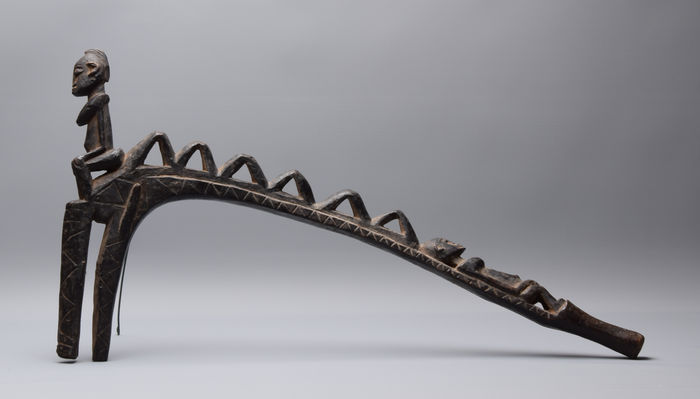
Thief hook
The thief hook or yo domolo originates from the Dogon tribe living in Mali. They live by the sacred story of the Nommo; ancestral spirits, believed to be the first living creatures created by the sky god Amma. Some say the shape of the thief hook is a symbol of the horse that pulled the celestial ark of the Nommo to water after its fall to earth; others believe it is the shape of the object Nommo used to steal a piece of the sun. In Mali, the thief hook is used by members of a Dogon religious society called Yona or “ritual thieves”. So named because they re-enact Nommo’s stealing of the sun by stealing domestic animals to sacrifice and eat at the funeral ceremony of tribe members.
In many cultures, masks have a religious and spiritual meaning. They are worn during ritual dances by members of the tribe, and they are often part of religious and social events. Different masks represent different spirits, emotions or characters. Although many tourists return from their vacation with a so-called ‘traditional’ wooden mask, real stories come from the masks New Guinea Bosmun people left tooth marks in while dancing…

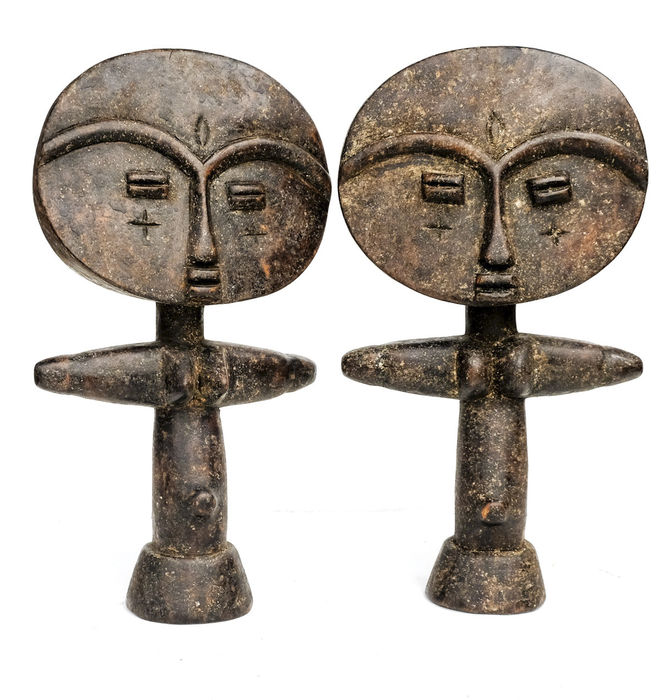
Legend tells the story of a woman called Akua who was unable to conceive. A fetish priest carved her a wooden doll, which from then on she carried on her back and cared for as though it was a real baby. People in the village laughed, calling the doll “Akua’ba” (Akua’s child), until Akua actually got pregnant and gave birth to a baby girl. It is because of this legend many women in Ghana carry a Akua’ba doll on their back whenever they wish to conceive.
Tribal art as a currency
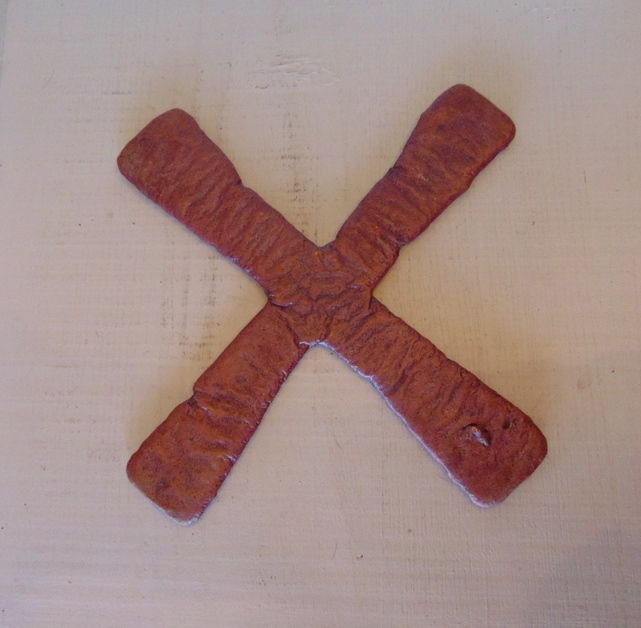
Sometimes “money” can look like art, in contrast to the little pieces of paper we carry around in our wallets. Like the beautifully carved shells from the Salomon Islands with frigate birds on top of a ring, its value coming from rarity and traditional craftsmanship. And what to think about shell necklaces, used as a currency in Papua or the copper Katanga crosses from Congo…
Fascinated yet? In our weekly Tribal Arts auctions you can find many more of these beautiful, interesting items. Learn about their stories and take a peek into a whole new world!