William Shakespeare’s plays – from Othello to Hamlet- are known all over the world, and we are eager to know everything else there is to know about this great author. Which is why it is so frustrating, and yet also romantic, that we do not know everything about him. There are still many mysteries left to unravel…
 Brought to you by Job Kwakman - book expert
Who is Shakespeare?
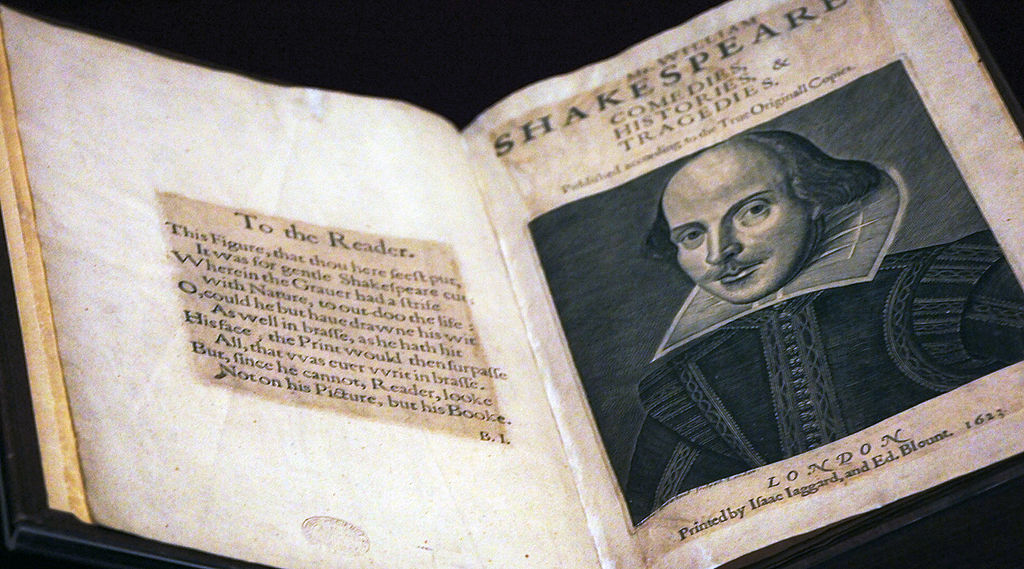
First things first: was Shakespeare the man we think he was? Was he even a man? Despite of numerous study’s, we cannot be sure whether the person known as William Shakespeare actually wrote the plays and sonnets we give him credit for. Presumably, William Shakespeare was baptised in Stratford-upon-Avon on April 26th 1564 and lived until April 23th 1616. He is assumed to have written approximately 38 plays – including Hamlet, MacBeth and Romeo & Juliet - and 154 sonnets. But did he really? Many sceptics believe the man from Stratford was not educated enough to write such great plays and sonnets. It is often thought that Edward de Vere wrote under the pseudonym of Shakespeare for he was a royalty with inside knowledge of the much described court life, unlike this poor Stratford man. Others believe Amelia Bassano Lanier, a poet in Queen Elizabeth’s court, was the face behind Shakespeare’s plays. It could also be Christopher Marlowe, or a whole team of writers, or…
The Lost Years
Despite of many theories, it is generally assumed “The” William Shakespeare from Stratford is the true author. But even then, many mysteries remain. For example, what happened to Shakespeare in the “Lost Years”? There are no documented facts about his life between 1578 – leaving school- and 1582 – marrying Anne Hathaway. Some assume he left school to help his father, others think he must have been either a soldier or a sailor to obtain knowledge on Italy, Seamanship and Astronomy he used in his work. The next ten years are a mystery too, besides the baptising of his three children. Somewhere between 1582 and 1592 Shakespeare moved to London, leaving his family behind. While it seems obvious he went there to act and pursue a career, some believe he left Stratford in fear of prosecution after offending Sir Richard Lucy by poaching deer on his grounds.
The mouth of a fool
Although Shakespeare’s plays have been performed many, many times some phrases and words still remain unclear. In Twelfth Night the clown Feste states he “did impeticos thy gratillity”. Did he “impocket” the money to keep for himself, “impetticoat” it in his long colourful robes, or spend it on women? The Oxford English Dictionary has a fitting definition for “impeticos”: “a burlesque word put into the mouth of a fool”.
In All’s Well That Ends Well the young Diana says “Frenchmen are so braid” after the (married) French count Bertram flirts with her and then leaves. Does she mean he is “cunning”, after the old Scottish word “braidie”, or that he is all show like braided hair?
Merry meeting
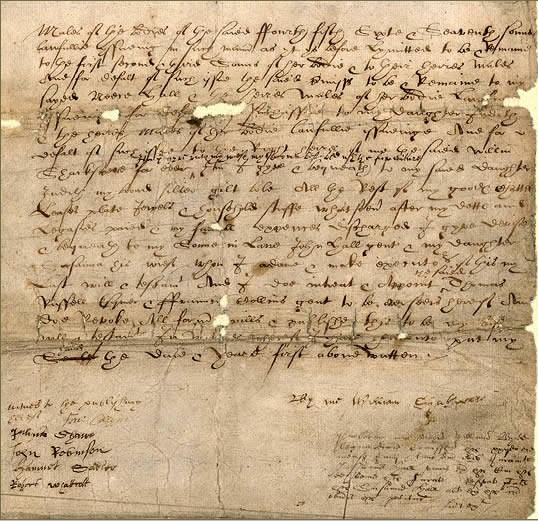
Then there is the matter of Shakespeare’s death. He died at 52, which is pretty good in a world with plague, tuberculosis, typhus and syphilis. But there are no documents explaining the cause of his death. His will, dated just one month before his death, describes him being in perfect health. Or was illness secretly a reason for Shakespeare to even make a will? Others think he died of a fever he caught at a “merry meeting” while drinking too much. As with Shakespeare’s life and work, his death still remains a mystery.
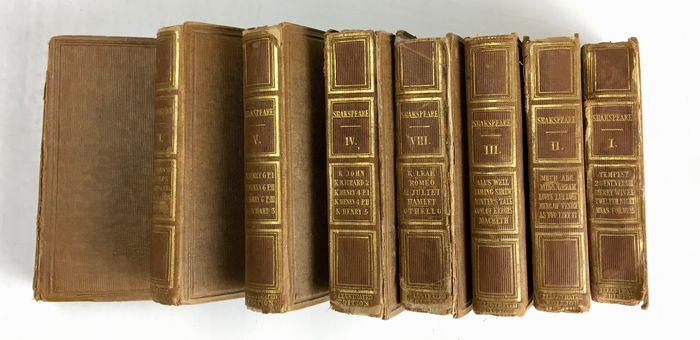
It has been over 400 years since (the presumed) William Shakespeare died, and his name still thrives. Take a look at our book auctions to collect some of his works and related items, or register as a seller to sell your Shakespeare books.
