In collaboration with Trevor Boyd - Mineral Stones Expert
Diamonds might be a girl's best friend, but if it's colour you are really after, tourmaline crystals may be a more your cup of tea. What makes them so unique? For decades these beautiful, natural works of art have been the most prized stones of the mineral family. It is not surprising that tourmaline crystals are the most colourful stones in the world. Read more about the magic of these particular minerals and what makes them worth collecting.
History
Tourmaline was highly popular among royal families in the far east. The last emperors of China, for instance, were in love with pink tourmalines. Later tourmaline was also in demand in Europe, so the Dutch trading company began to import the precious stones from Sri Lanka in the early 1700s. For many year people believed that tourmaline crystals had healing properties. It is thought to strengthen the mind and spirit. Tourmaline has also been a valuable part of ancient medicine and Far Eastern medicine.
Origins
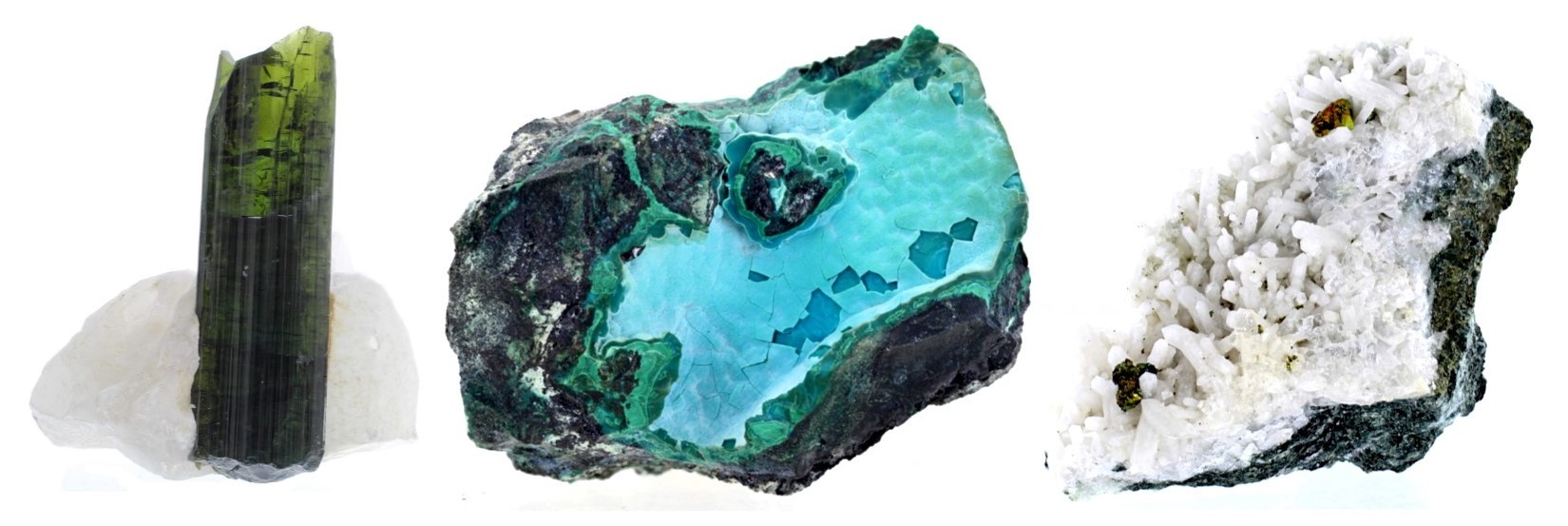
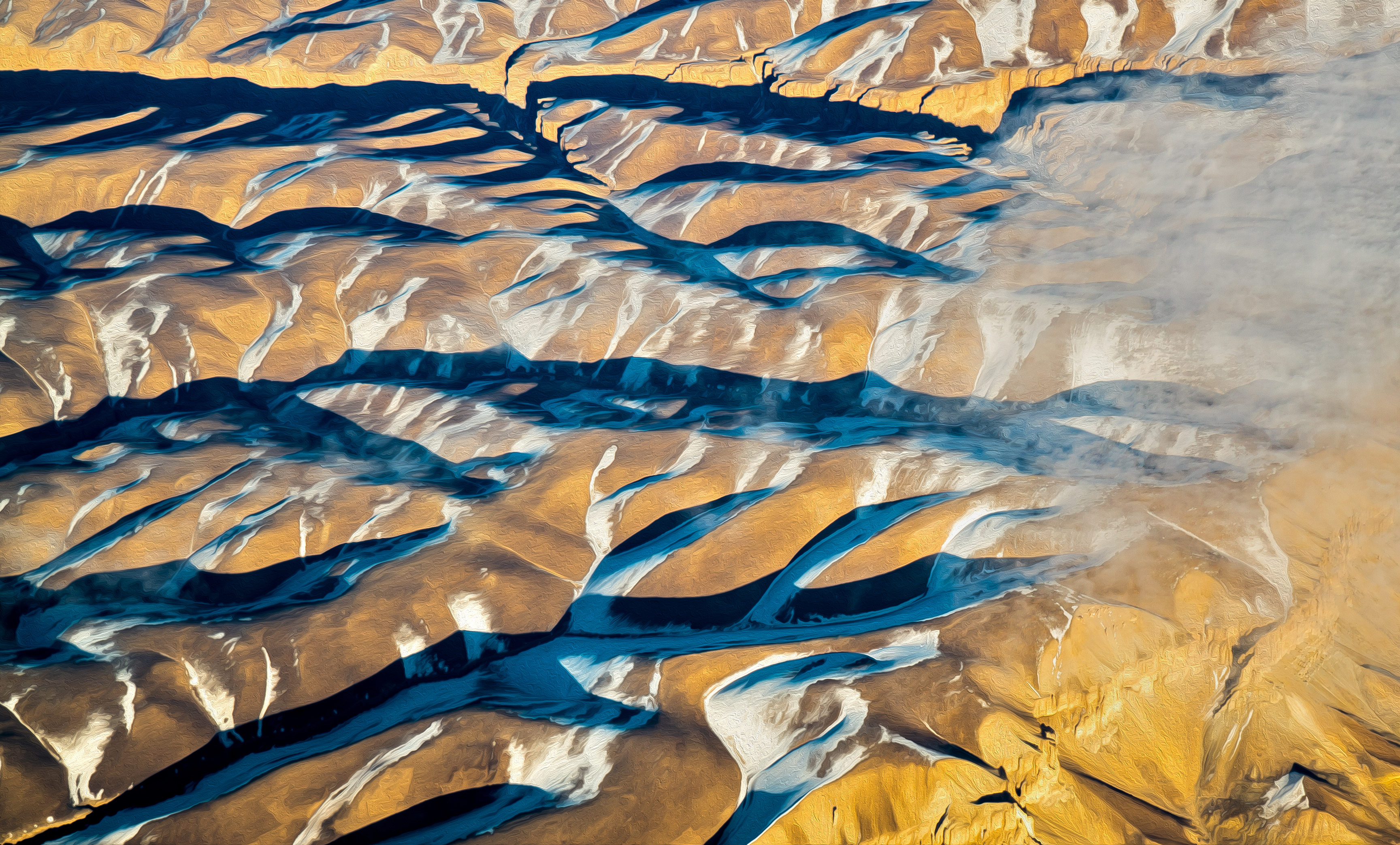
From a geological point of view, tourmaline crystals are found primarily in zones called the 'pegmatites' within granitic rocks. The crystals can be found encased in the rock itself or form in a pocket or cavity within the rock. During the 18th century, pegmatite regions in the Ural Mountains produced phenomenal crystals. Then, in the 19th and early 20th centuries, the Minas Gerais region in Brazil began producing significant amounts of gemmy crystals, making the number of locations even bigger. Today, fantastic specimens mainly come from the mountainous regions of Pakistan and Afghanistan.
Different Forms
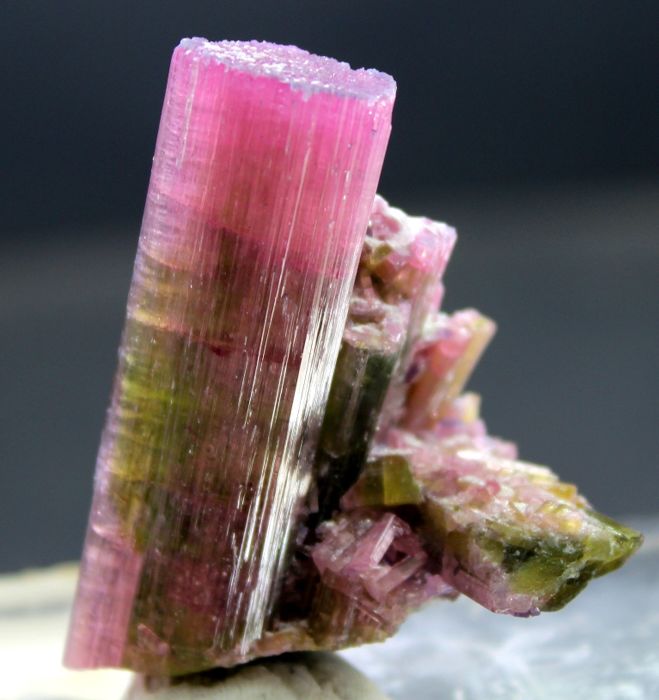
The crystals themselves can be short and stubby, long and thin, or anything in between. They can come in a range of colours, including black (actually very dark green), blue, green, pink, orange or red. The most sought after tourmaline crystals, however, are those that display two or more colours within the same crystal. This beautiful effect is caused by changes in the chemistry of the crystal as it grows. A darker green colour indicates a high iron content. As the iron content decreases and aluminium and lithium becomes more dominant, the crystals then change from blue or green to pink and red.
The 'Watermelon' Tourmaline
The 'watermelon' tourmaline is a rare and unusual phenomenon. In this case, the chemical composition of the crystal has changed as it grew outwards from its centre, giving rise to beautiful concentric patterns best seen in slices that resemble slices of watermelon. Jewellery makers polish these crystal slices to highlight the colours making natural beauties.

Why Collect Tourmaline Crystals?
If you are thinking of collecting one particular type of mineral, then tourmaline crystals may be just the unique stone for you. Their beautiful colour and shape mean that they form an impressive display, especially when grouped together.
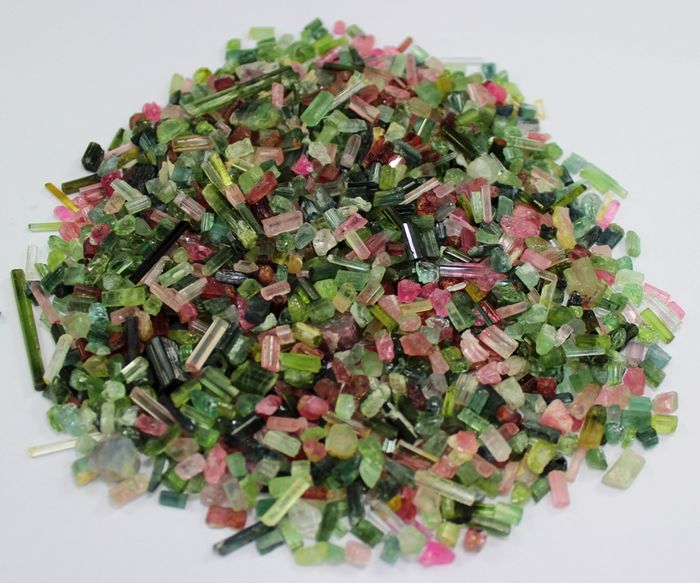
You collect one colour of tourmalines such as the rare watermelon tourmaline, or collect at least one of every colour. They are readily available at the moment and the variety of origins and colours means you will be hooked on collecting them for years to come!
Now you know all about the special stones called the tourmaline crystals. You can find these wonderful crystals in our Weekly Mineral Auction! Make your collection even bigger and treasure these stone forever.