We carefully select stamp objects to ensure a high standard of quality, collectability, and authenticity. Our expert-curated auctions feature classical and modern stamps from around the world, offering collectors the opportunity to acquire pieces that are professionally described and presented.
Follow these guidelines to increase your chances of a successful sale.
What we accept
We’re looking for high-quality, authentic, and collectable stamps that appeal to collectors. To be accepted, your object must:
Fall within our accepted categories:
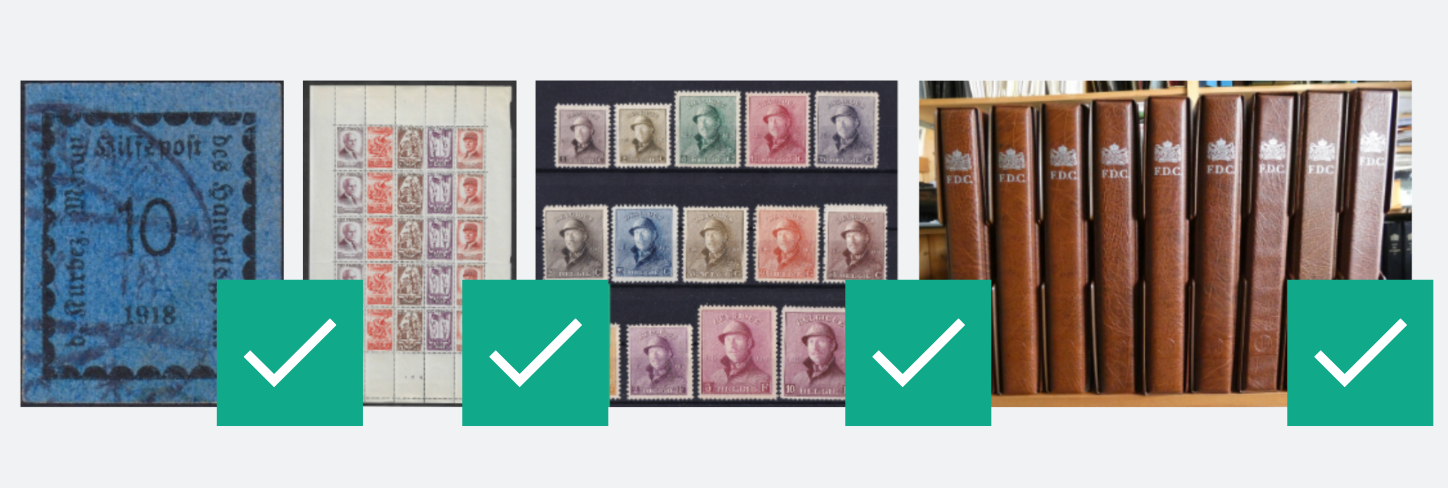
Single stamps, sets, or collections from 1840 to the present
Rare stamps and postal history letters
Stamp accessories and philatelic books
Be authentic and in good condition (faults accepted only for rare or valuable objects under specific criteria)
Meet the minimum expected value of €50*
(You can combine objects in one submission to meet this threshold)
*Additional category thresholds:
Stamps, sets, or collections from 1840 to the present: €75
Single stamp, block, letter or set of stamps: 50€
Stamp accessories and philatelic books: €75
Stamps collections, selections, accessories and philatelic books: 75€
What increases your chances of approval:
Rare or early issue (pre-1945) stamps in clean, undamaged condition
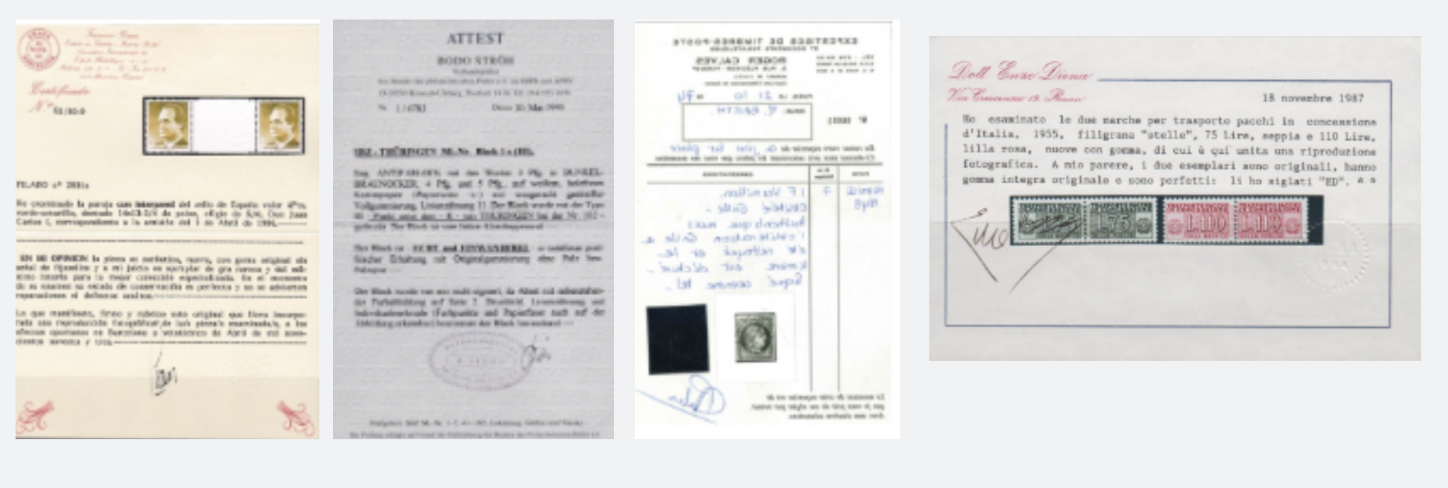
Stamps with third-party certification (especially for repaired or rare stamps)
Complete series or thematic set
📌 Examples of accepted objects:
What we do not accept
To keep our auctions trustworthy and attractive to buyers, we do not accept:
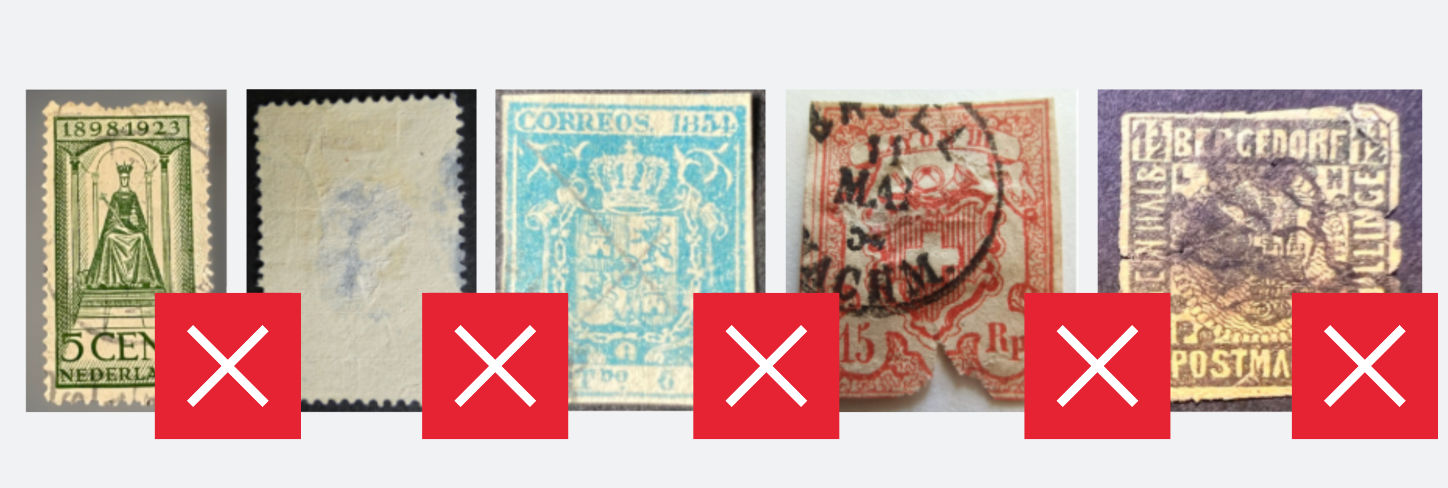
Low-value stamps or grouped submissions with little collector interest
Modern reproductions or stamps with significant defects (unless very rare and certified)
Uncertified repaired stamps (unless value > €200 and accompanied by a certificate)
Stamps with visible prices, web addresses, or advertising shown in photos
📌 Examples of rejected objects:
Getting your submission ready
1. Fill in all the details and write a clear description
When you submit an object, you’ll see fields to guide you in providing the right information, such as: country, year (earliest and latest stamp), catalogue name and reference number, condition, etc. These fields ensure your listing is clear, searchable, and easy for bidders to understand.
Please also use the object description field to share:
Unique features or notable history
If an object has third-party certification
The catalogue value (include year and reference name)
If the object has any flaws
Tip: The more detail you provide, the easier it is for bidders to understand the value of your object – and the more likely it is to sell. Find here more tips on how to write a clear, accurate description.
📌 Examples of a well-written description:
Example#1:
“Spain 1929 - Fernando Poo - Exhibitions of Seville and Barcelona
Edifil 168/178 Mint never hinged set of stamps.
Catalog Price Edifil 2025 €165
Registered mail delivery”.
Example #2:
“Queen Victoria 1870.
Dott. Massimo Manzoni certificate unused new small part of gum, plate 20.
Stamps: "IK" and "TI", plate 12 unused
"See the pictures to form your own impression.".
Stanley Gibbons 48 and 49.
Value: £590 (Stanley Gibbons 2024)
Registered mail with tracking number”.
2. Great photos matter
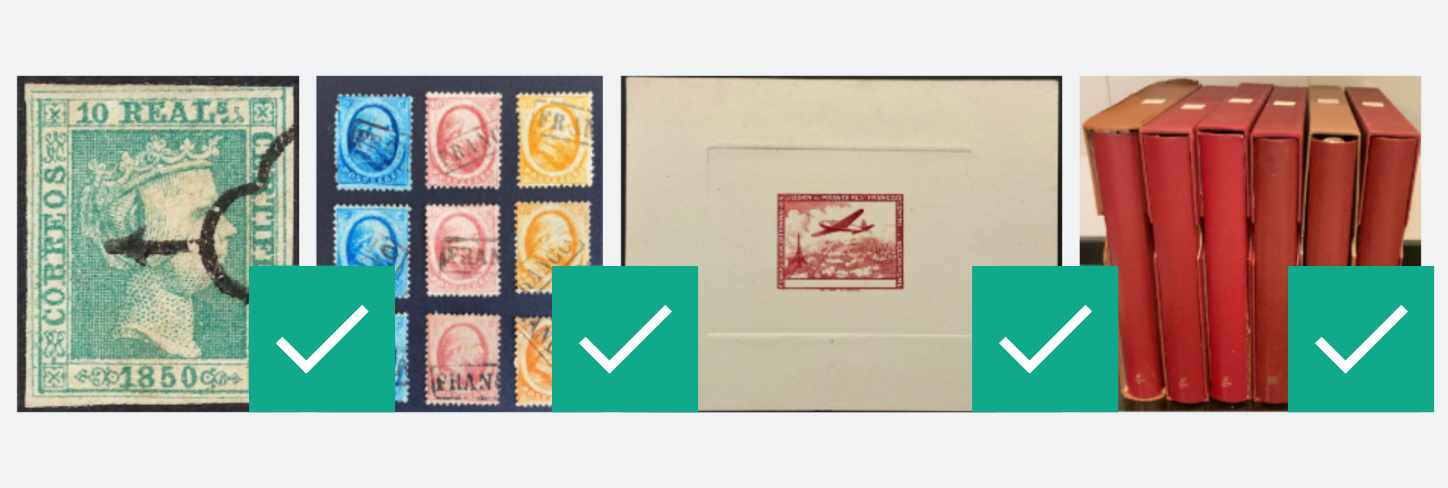
Photos are the first thing bidders see – so make them count! We recommend including at least 2 high-quality images that clearly show the condition and details of your object. This helps bidders make informed decisions and increases your chances of a successful sale.
Your photos should include:
For all submissions:
The front and back of each stamp or letter
The full gum, perforation, and any detail like postmarks
Photos of the certificate (if applicable)
For grouped submissions:
Overview image including all items, as well as photos of each item individually
For albums: show the covers and selected pages
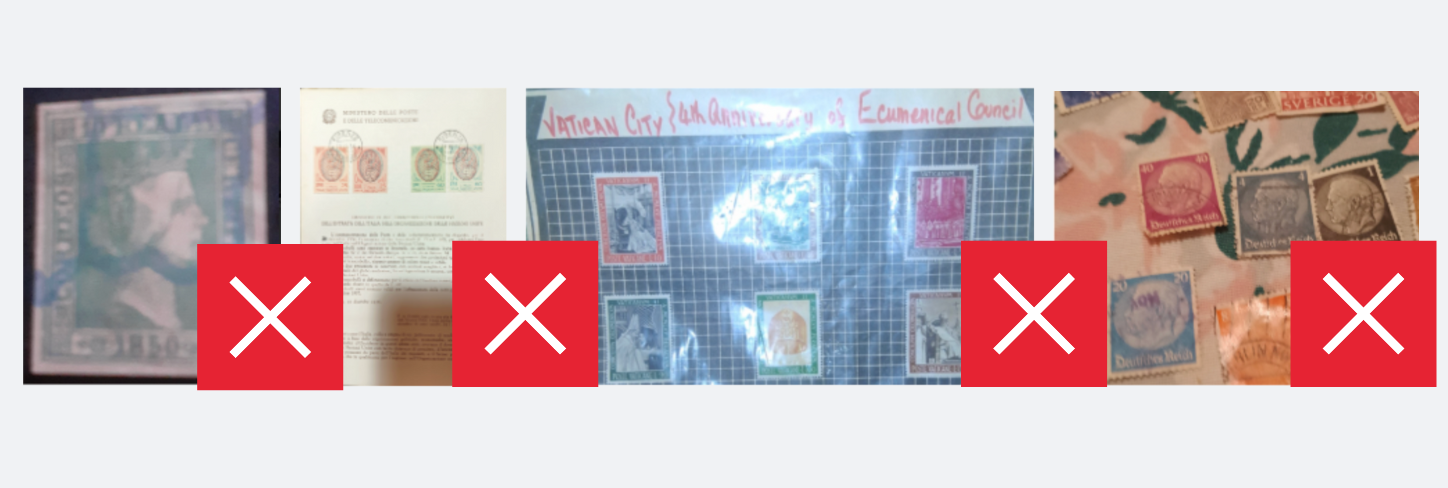
Tip: Avoid photos with people, selfies, or screenshots. Use a neutral background (white or black), avoid low-quality or stock images, and aim for natural lighting. Find here more tips on how to take professional photos.
📌 Examples of good vs. bad photos:
3. Additional proof of authenticity
We pay extra attention to ensure authenticity of high-value and high-risk objects to protect bidders and ensure a trustworthy marketplace.
We may request additional verification before approval:
✔ Proof of provenance, such as receipts, scans, or authentication reports
✔ Third party certification
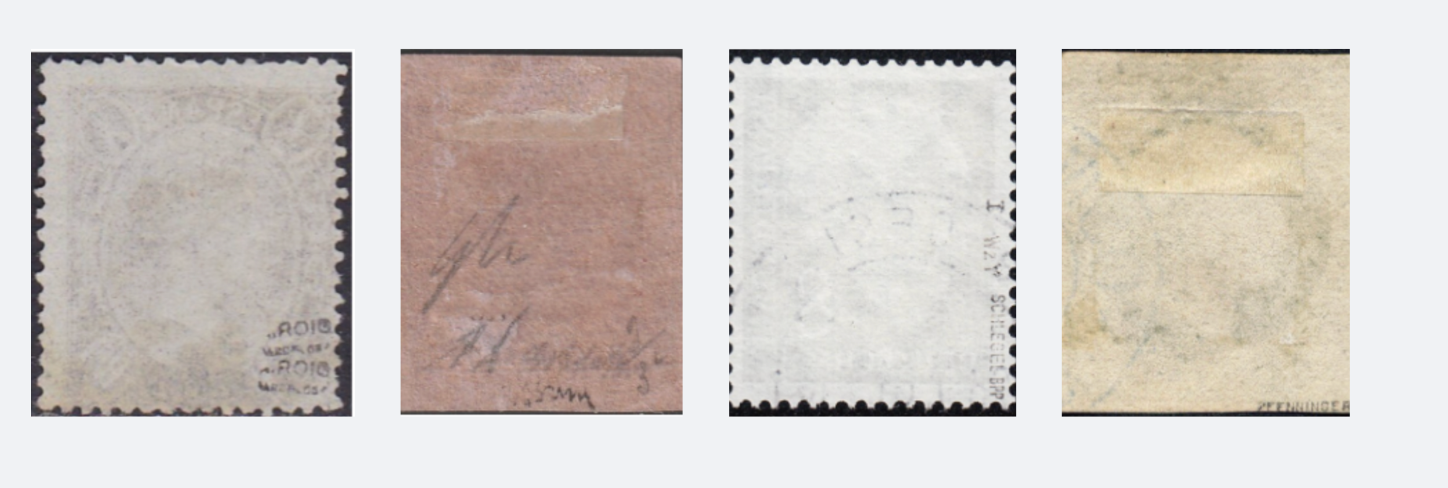
📌 Examples of proof of authenticity:
Certifications
Expert signatures
Ready to sell? List your stamps today
Selling with us is free – commission is only applied if your object sells.
Follow these guidelines to maximise your chances of success.
Register as a seller and submit your stamps for auction now.