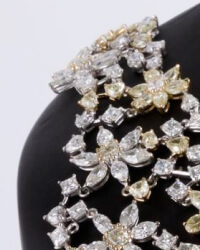
リング - 14 kt. White gold - 2.01ct. tw. Diamond (Lab-grown)


00
days
02
hours
36
minutes
35
seconds
Current bid
€ 360
Reserve price not met

9 other people are watching this object
 | €360 | |
|---|---|---|
| €340 | |
| €320 | |
Catawiki Buyer Protection
Your payment’s safe with us until you receive your object.View details
Trustpilot 4.4 | 134906 reviews
Rated Excellent on Trustpilot.
New 14 kt white gold ring set with a single lab-grown princess-cut diamond (2.01 ct, VS2, color E) and IGI certificate LG754565715; size EU 54 / US 7 / UK N½.
AI-assisted summary
Description from the seller
私たちの宝石は欧州連合内からのものです。EU内の購入者は追加のVAT/関税または費用を支払う必要はありません。ただしEU外にお住まいの場合、お住まいの国が追加のVAT・通関費・輸入手数料を課すことがあり、それはすべて購入者の責任です。
*出荷:すべての出荷は保険が付き、FedExの追跡配達で発送されます。
14カラット Gold Ring with Lab Grown Diamond
IGI Certificate # LG754565715
Gold Colour: White gold
Size: EU-54, US-7, UK-N½ (Diameter-17.2mm)
Set with: Lab Grown Diamond
Number of Diamonds : 1
Total Carat Weight: 2.01
Diamonds Shape/Cut : Princess Cut
Diamond Colour: F
Diamond Clarity: VS2
Condition : New
PLEASE NOTE
*入札を開始する前に、寸法(サイズ)を正確にご確認ください。製品は標準サイズです。実際のサイズは寸法を参照してください。
*宝石のアイテムにはGoldのホールマークが付いています。
*アイテムは宝石箱とともに発送されます。
*当社はアイテムの高品質な写真を提供しています。入札前に写真をよくご覧になり、商品の状態に完全に満足してから入札してください。
*落札者がキャンセル・撤回を決定した場合、そのリスクと、すべての出荷費用、および売り手の輸入関税の返送費用を負担します。
Design Code : 12764-SR010110
Seller's Story
送料には保険とFedEx/DHL Priorityが含まれます。送料は保険付きでFedEx/DHLによる安全な配送を前提に競争力のある水準です。
EU外の場合は関税・税金の確認をお願いします。それらは購入者のご負担となります。
ラボ・グロウン・ダイヤモンド。リサイクルゴールド。
落札品にはジュエリーボックスが付属します。
指のサイズ変更が必要な場合は、追加料金がかかることにご注意ください。ご希望の場合はご連絡ください。通常は新しいデザインの製作が必要になるため、指サイズ変更の差額をお支払いいただいた後、数週間お待ちいただくことになります。
私たちはベルギーのアントワープを拠点にしています。
サステナブルなジュエリーと、美しく作られたジュエリーを美しい価格でご提供します。
ラボグロウンダイヤモンドとは?ラボグロウンダイヤモンドは、地球の深部でダイヤモンドが形成される条件を再現する技術を用いて科学者が生み出したダイヤモンドです。
ラボグロウンダイヤモンドは、化学的にも物理的にも光学的にも自然に形成されたダイヤモンドと全く同一です。自然のものと異なる唯一の要因は、それが研究室由来であるという点です。
そのため、ラボグロウンダイヤモンドは『希少』や『ユニーク』とはみなされず、自然ダイヤモンドと比較してより手頃な選択肢となり、カラットあたりの価格もかなり低く評価されます。
Translated by Google Translate私たちの宝石は欧州連合内からのものです。EU内の購入者は追加のVAT/関税または費用を支払う必要はありません。ただしEU外にお住まいの場合、お住まいの国が追加のVAT・通関費・輸入手数料を課すことがあり、それはすべて購入者の責任です。
*出荷:すべての出荷は保険が付き、FedExの追跡配達で発送されます。
14カラット Gold Ring with Lab Grown Diamond
IGI Certificate # LG754565715
Gold Colour: White gold
Size: EU-54, US-7, UK-N½ (Diameter-17.2mm)
Set with: Lab Grown Diamond
Number of Diamonds : 1
Total Carat Weight: 2.01
Diamonds Shape/Cut : Princess Cut
Diamond Colour: F
Diamond Clarity: VS2
Condition : New
PLEASE NOTE
*入札を開始する前に、寸法(サイズ)を正確にご確認ください。製品は標準サイズです。実際のサイズは寸法を参照してください。
*宝石のアイテムにはGoldのホールマークが付いています。
*アイテムは宝石箱とともに発送されます。
*当社はアイテムの高品質な写真を提供しています。入札前に写真をよくご覧になり、商品の状態に完全に満足してから入札してください。
*落札者がキャンセル・撤回を決定した場合、そのリスクと、すべての出荷費用、および売り手の輸入関税の返送費用を負担します。
Design Code : 12764-SR010110
Seller's Story
送料には保険とFedEx/DHL Priorityが含まれます。送料は保険付きでFedEx/DHLによる安全な配送を前提に競争力のある水準です。
EU外の場合は関税・税金の確認をお願いします。それらは購入者のご負担となります。
ラボ・グロウン・ダイヤモンド。リサイクルゴールド。
落札品にはジュエリーボックスが付属します。
指のサイズ変更が必要な場合は、追加料金がかかることにご注意ください。ご希望の場合はご連絡ください。通常は新しいデザインの製作が必要になるため、指サイズ変更の差額をお支払いいただいた後、数週間お待ちいただくことになります。
私たちはベルギーのアントワープを拠点にしています。
サステナブルなジュエリーと、美しく作られたジュエリーを美しい価格でご提供します。
ラボグロウンダイヤモンドとは?ラボグロウンダイヤモンドは、地球の深部でダイヤモンドが形成される条件を再現する技術を用いて科学者が生み出したダイヤモンドです。
ラボグロウンダイヤモンドは、化学的にも物理的にも光学的にも自然に形成されたダイヤモンドと全く同一です。自然のものと異なる唯一の要因は、それが研究室由来であるという点です。
そのため、ラボグロウンダイヤモンドは『希少』や『ユニーク』とはみなされず、自然ダイヤモンドと比較してより手頃な選択肢となり、カラットあたりの価格もかなり低く評価されます。
Translated by Google TranslateDetails
時代
After 2000
Total carat weight of all stones
2.01
鑑定書番号
LG754565715
Diamond type of main stone
Lab-grown
鑑定書
International Gemological Institute (IGI)
メインストーンのダイヤモンドカラーグレード
E
純度
14 kt.
ブランドジュエリー
いいえ'
Number of diamonds main stone
1
金属
White gold
メインストーンの総カラット重量
2.01
メインストーン
Diamond
メインストーンのダイヤモンドクラリティグレード
VS2
総重量
3.06 g
コンディション
New
性別
Women
メインストーンのシェイプ
Square
Cutting style of main stone
Princess cut
Sold by
Disclaimer
Catawiki always aims to offer you the best possible buying experience. Our experts virtually review and select every object in line with our submission guidelines. While we strive to provide a detailed description and photographs of each jewellery object, discrepancies or inaccuracies may occur. It is your responsibility to review all of the information provided about an object, including the condition and description, before placing an order. Sellers are responsible for the information, pictures and description provided, including the quality, quantity and nature of the jewellery supplied. A small imperfection that cannot be seen in the photo but is included in the description is not a non-conformity. What are lab-grown diamonds? Lab-grown diamonds are diamonds produced by scientists using technology that recreates the conditions under which diamonds form deep in the earth. A lab-grown diamond is chemically, physically, and optically identical to diamonds that formed naturally - the only factor that makes them different from a natural diamond is that they originate from a lab. For that reason, lab-grown diamonds cannot be considered ‘rare’ or ‘unique’ and as such they represent a more affordable option when compared to natural diamonds and are valued at a considerably lower price per carat. Due to their availability and evolving market dynamics, lab-grown diamonds may not retain value over time and typically do not carry much resale value. A Laboratory Report is not a guarantee, valuation or appraisal regarding the articles described therein. A Laboratory Report contains only the characteristics of an article described after it has been graded, tested, examined, and analysed using the techniques and equipment used at the time of the examination from that specific Gemological Laboratory. The results of any other examination performed on the article may differ depending when, how, by whom and with which grading standard the article is examined. In addition, any changes and improvements in techniques and equipment that may have occurred which may enable the examiner to detect, among other things, the use of processes for altering the characteristics of an article which use was previously undetectable, does not automatically mean the object does not conform to its description.
Catawiki always aims to offer you the best possible buying experience. Our experts virtually review and select every object in line with our submission guidelines. While we strive to provide a detailed description and photographs of each jewellery object, discrepancies or inaccuracies may occur. It is your responsibility to review all of the information provided about an object, including the condition and description, before placing an order. Sellers are responsible for the information, pictures and description provided, including the quality, quantity and nature of the jewellery supplied. A small imperfection that cannot be seen in the photo but is included in the description is not a non-conformity. What are lab-grown diamonds? Lab-grown diamonds are diamonds produced by scientists using technology that recreates the conditions under which diamonds form deep in the earth. A lab-grown diamond is chemically, physically, and optically identical to diamonds that formed naturally - the only factor that makes them different from a natural diamond is that they originate from a lab. For that reason, lab-grown diamonds cannot be considered ‘rare’ or ‘unique’ and as such they represent a more affordable option when compared to natural diamonds and are valued at a considerably lower price per carat. Due to their availability and evolving market dynamics, lab-grown diamonds may not retain value over time and typically do not carry much resale value. A Laboratory Report is not a guarantee, valuation or appraisal regarding the articles described therein. A Laboratory Report contains only the characteristics of an article described after it has been graded, tested, examined, and analysed using the techniques and equipment used at the time of the examination from that specific Gemological Laboratory. The results of any other examination performed on the article may differ depending when, how, by whom and with which grading standard the article is examined. In addition, any changes and improvements in techniques and equipment that may have occurred which may enable the examiner to detect, among other things, the use of processes for altering the characteristics of an article which use was previously undetectable, does not automatically mean the object does not conform to its description.