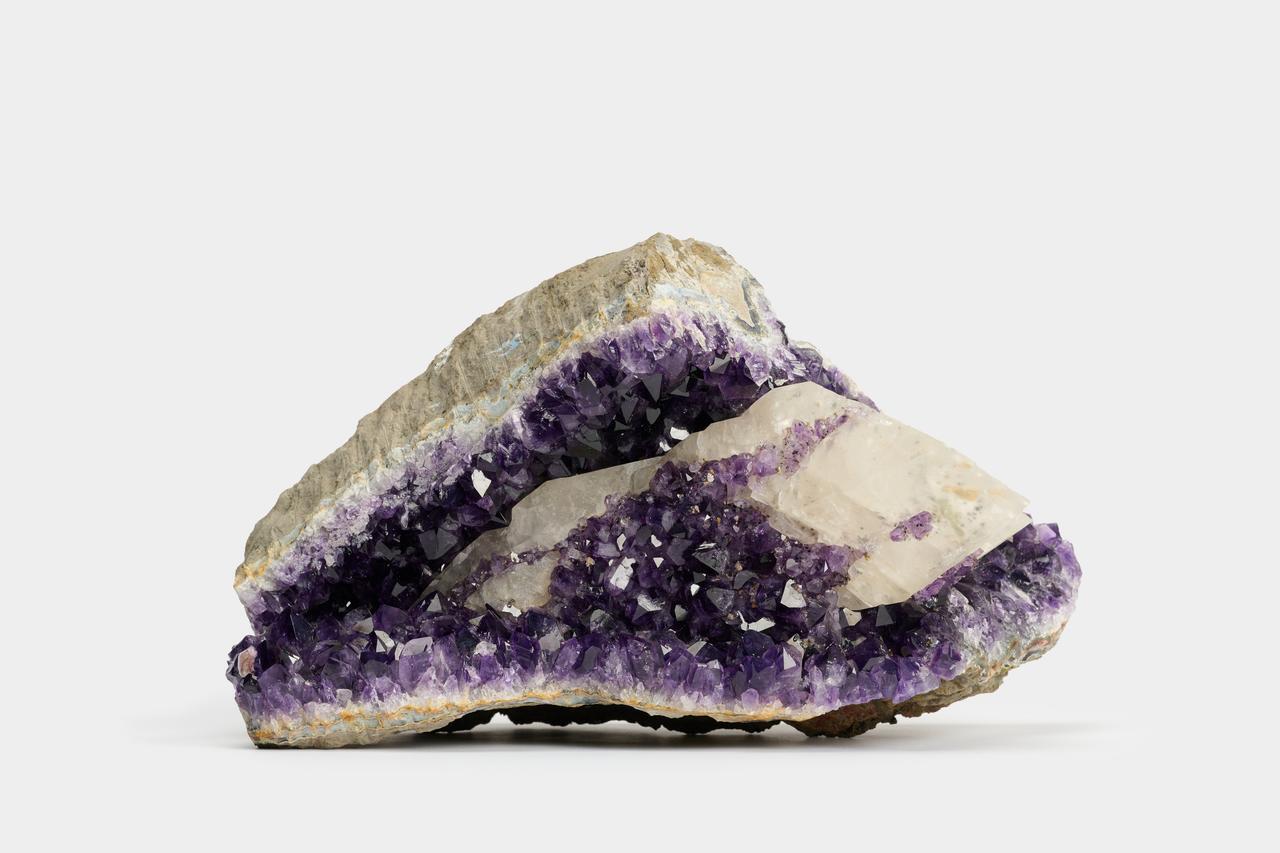
ノーリザーブ - 27.50ct 最上質のエチオピア産オパール 標本- 5.5 g - (4)


00
days
08
hours
38
minutes
24
seconds

22 other people are watching this object
 | €24 | |
|---|---|---|
 | €15 | |
| €12 | |
Catawiki Buyer Protection
Your payment’s safe with us until you receive your object.View details
Trustpilot 4.4 | 136095 reviews
Rated Excellent on Trustpilot.
Four Ethiopian opal specimens from Wello, Ethiopia, in a 4‑piece lot weighing 5.50 g in total, with white and yellow bases and multicolour fire, each stone measuring 14–19 mm.
AI-assisted summary
Description from the seller
Excellent Natural Ethiopian Rough Opal. White and yellow base with multicolour fire. Top stones for collectors.
Dimensions from 14.00 mm to 19.00 mm. All pictures are taken with high resolution camera on bone dry material in order to depict the opal as realistically as possible.
Worldwide shipping with registered mail and tracking number.
An opal is a hydrated form of silica with a water content ranging from 3 to 21%. Indeed, it is this permeability to water that makes it a hydrophile.
Opals are deposited at a relatively low temperature and may occur in the fissures of almost any kind of rock, being most commonly found with limonite, sandstone, rhyolite, marl, and basalt. Only precious opals show a variable interplay of internal colors.
At microscopic scales, precious opal is composed of silica spheres some 150 to 300 nm in diameter in a hexagonal or cubic close-packed lattice. These ordered silica spheres produce the internal colors by causing the interference and diffraction of light passing through the microstructure of the opal.
Excellent Natural Ethiopian Rough Opal. White and yellow base with multicolour fire. Top stones for collectors.
Dimensions from 14.00 mm to 19.00 mm. All pictures are taken with high resolution camera on bone dry material in order to depict the opal as realistically as possible.
Worldwide shipping with registered mail and tracking number.
An opal is a hydrated form of silica with a water content ranging from 3 to 21%. Indeed, it is this permeability to water that makes it a hydrophile.
Opals are deposited at a relatively low temperature and may occur in the fissures of almost any kind of rock, being most commonly found with limonite, sandstone, rhyolite, marl, and basalt. Only precious opals show a variable interplay of internal colors.
At microscopic scales, precious opal is composed of silica spheres some 150 to 300 nm in diameter in a hexagonal or cubic close-packed lattice. These ordered silica spheres produce the internal colors by causing the interference and diffraction of light passing through the microstructure of the opal.
Details
アイテム数
4
主要鉱物
No Reserve - 27.50 ct. Top Quality Ethiopian Opal
鉱物形態
Specimen
重量
5.5 g
産地 (地域/都市)
Wello
原産国
Ethiopia
Disclaimer
It is believed that certain gemstones and minerals have beneficial health and spiritual properties. However, using or wearing gemstones or minerals does not mean that you can treat, cure or prevent any disease. Please consult your health care professional for information on health care issues and do not stop any medications or courses of treatment, without first consulting your health care professional. The use of gemstones or minerals as a wellness therapy is one of personal choice. While stones or crystals have been used historically to relieve or prevent symptoms, the objects sold on our website offer no guarantee of results. Therefore, Catawiki cannot guarantee or be held liable for the effectiveness of these objects sold herein.
It is believed that certain gemstones and minerals have beneficial health and spiritual properties. However, using or wearing gemstones or minerals does not mean that you can treat, cure or prevent any disease. Please consult your health care professional for information on health care issues and do not stop any medications or courses of treatment, without first consulting your health care professional. The use of gemstones or minerals as a wellness therapy is one of personal choice. While stones or crystals have been used historically to relieve or prevent symptoms, the objects sold on our website offer no guarantee of results. Therefore, Catawiki cannot guarantee or be held liable for the effectiveness of these objects sold herein.