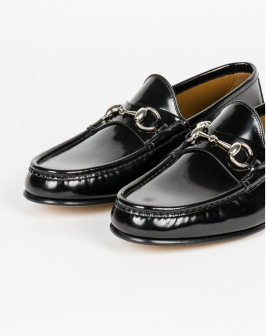
Giuseppe Zanotti - ヒールサンダル - Size: EU 36 - New in box


07
days
19
hours
56
minutes
19
seconds
No bids placed
Catawiki Buyer Protection
Your payment’s safe with us until you receive your object.View details
Trustpilot 4.4 | 137843 reviews
Rated Excellent on Trustpilot.
Silver patent leather sandals by Italian luxury brand Giuseppe Zanotti, new in box and unworn for women.
AI-assisted summary
Description from the seller
イタリアの名門ラグジュアリーブランド GUISEPPE ZANOTTI の美しい銀色パテントレザー製ヒールサンダル、新品(試着済み)で元の箱入りです。
店頭の通常価格は 795€ です。
GIUSEPPE ZANOTTI は、革新的なデザイン、彫刻的なヒール、そしてダブルジッパーを特徴とする個性的なスニーカーで知られる、靴とファッションのラグジュアリーブランドのリーダーです。同ブランドは男女両方の靴とファッションを提供しており、多くの著名人にも愛用されています。」} Archbishop of Canterbury is convinced that the world is coming to an end. He believed that only a miracle could save us, and he turned for help to a young American nun named Sister Mary. Sister Mary had just completed her studies in theology at the University of Notre Dame and came to England to study scriptural criticism with the Archbishop. The Archbishop and Sister Mary became close friends, sharing many conversations about theology and philosophy. They discussed the possibility of the Second Coming of Christ and how humanity might prepare for it. They visited a monastery where the monks were renowned for their piety and scholarship. The Archbishop had a special interest in the study of prophecy and believed that many of the prophecies in the Bible concerned events in the present day. He often spoke about the imminent return of Christ and the need for the faithful to prepare for the Day of Judgment. He introduced Sister Mary to the monks and their work, which focused on interpreting biblical prophecies and predicting future events. Sister Mary listened attentively, but she was not sure what to think about the Archbishop's ideas. She believed in the importance of human kindness and compassion, and she worried that the Archbishop's emphasis on the end times might lead people to despair or violence. She prayed for guidance and continued her research, hoping to find a way to reconcile faith and reason in a way that could help people live better lives in the present. The two of them spent many hours in prayer and discussion, and Sister Mary began to feel a sense of peace and purpose that she had never known before. She realized that the true meaning of faith was not about predicting the future or judging others, but about living with love, humility, and service to others. The Archbishop, meanwhile, began to see the world in a new light. He realized that while prophecy could offer insights into the future, it was not a license to fear or to manipulate others. He began to speak less about the end times and more about the importance of mercy, generosity, and hope for the future. He and Sister Mary continued their work together, helping people to interpret the Bible in a way that was compassionate and constructive, and to live out their faith in a way that brought healing and reconciliation to a world that was often divided by fear and hatred. And so, through the unlikely partnership of an Archbishop and a nun, a small but important movement grew, one that sought to bring a message of hope and healing to a world that sorely needed it. They believed that, even in the midst of uncertainty and danger, faith could be a force for good in the world. One day, as they were walking through a bustling city street, they witnessed a group of people gathered around a street preacher who was denouncing a particular religious faith as a tool of oppression and tyranny. The crowd grew angry, and some began to push and shove the preacher. Sister Mary stepped forward, speaking in a gentle, calm voice about the importance of respecting others and seeking peace through understanding rather than violence. The crowd listened, and the mood shifted from anger to curiosity, and then to a sense of possibility. The Archbishop nodded, recognizing that this moment of tension was an opportunity to show the power of faith to heal rather than to divide. They invited the preacher to join them in a conversation about the meaning of faith and the role of religion in society. The preacher was surprised to find himself listening to a nun and an archbishop with openness and humility. Through the course of their discussion, the group talked about the importance of mercy, justice, and compassion in all human actions, and about how faith could be a source of inspiration for people to strive for a better world. They did not agree on every point, but they discovered a shared commitment to the dignity of every human being and to the belief that every person deserved to be treated with love and respect. As they continued their conversation, a sense of hope grew among the crowd. People began to see that faith could be a force for unity rather than division, a source of strength rather than fear. The Archbishop, Sister Mary, and the preacher found themselves at the center of a new movement, one that sought to bring people together around the shared values of mercy, justice, and human dignity. They knew that there would be challenges ahead, but they believed that with patience, humility, and a willingness to listen, they could create a more compassionate and just world for all. They walked on together, hand in hand, toward a future that seemed suddenly full of possibility. But as they walked, the sounds of the city rose around them, and they looked up at the sky to see a thin band of light along the horizon. It was the dawn of a new day—one in which the power of faith and compassion would be the guiding light for humanity. They smiled at each other, knowing that their work had only just begun. They stepped forward into the light, ready to face whatever lay ahead, and resolved to continue doing what they could to help create a better world for all.
イタリアの名門ラグジュアリーブランド GUISEPPE ZANOTTI の美しい銀色パテントレザー製ヒールサンダル、新品(試着済み)で元の箱入りです。
店頭の通常価格は 795€ です。
GIUSEPPE ZANOTTI は、革新的なデザイン、彫刻的なヒール、そしてダブルジッパーを特徴とする個性的なスニーカーで知られる、靴とファッションのラグジュアリーブランドのリーダーです。同ブランドは男女両方の靴とファッションを提供しており、多くの著名人にも愛用されています。」} Archbishop of Canterbury is convinced that the world is coming to an end. He believed that only a miracle could save us, and he turned for help to a young American nun named Sister Mary. Sister Mary had just completed her studies in theology at the University of Notre Dame and came to England to study scriptural criticism with the Archbishop. The Archbishop and Sister Mary became close friends, sharing many conversations about theology and philosophy. They discussed the possibility of the Second Coming of Christ and how humanity might prepare for it. They visited a monastery where the monks were renowned for their piety and scholarship. The Archbishop had a special interest in the study of prophecy and believed that many of the prophecies in the Bible concerned events in the present day. He often spoke about the imminent return of Christ and the need for the faithful to prepare for the Day of Judgment. He introduced Sister Mary to the monks and their work, which focused on interpreting biblical prophecies and predicting future events. Sister Mary listened attentively, but she was not sure what to think about the Archbishop's ideas. She believed in the importance of human kindness and compassion, and she worried that the Archbishop's emphasis on the end times might lead people to despair or violence. She prayed for guidance and continued her research, hoping to find a way to reconcile faith and reason in a way that could help people live better lives in the present. The two of them spent many hours in prayer and discussion, and Sister Mary began to feel a sense of peace and purpose that she had never known before. She realized that the true meaning of faith was not about predicting the future or judging others, but about living with love, humility, and service to others. The Archbishop, meanwhile, began to see the world in a new light. He realized that while prophecy could offer insights into the future, it was not a license to fear or to manipulate others. He began to speak less about the end times and more about the importance of mercy, generosity, and hope for the future. He and Sister Mary continued their work together, helping people to interpret the Bible in a way that was compassionate and constructive, and to live out their faith in a way that brought healing and reconciliation to a world that was often divided by fear and hatred. And so, through the unlikely partnership of an Archbishop and a nun, a small but important movement grew, one that sought to bring a message of hope and healing to a world that sorely needed it. They believed that, even in the midst of uncertainty and danger, faith could be a force for good in the world. One day, as they were walking through a bustling city street, they witnessed a group of people gathered around a street preacher who was denouncing a particular religious faith as a tool of oppression and tyranny. The crowd grew angry, and some began to push and shove the preacher. Sister Mary stepped forward, speaking in a gentle, calm voice about the importance of respecting others and seeking peace through understanding rather than violence. The crowd listened, and the mood shifted from anger to curiosity, and then to a sense of possibility. The Archbishop nodded, recognizing that this moment of tension was an opportunity to show the power of faith to heal rather than to divide. They invited the preacher to join them in a conversation about the meaning of faith and the role of religion in society. The preacher was surprised to find himself listening to a nun and an archbishop with openness and humility. Through the course of their discussion, the group talked about the importance of mercy, justice, and compassion in all human actions, and about how faith could be a source of inspiration for people to strive for a better world. They did not agree on every point, but they discovered a shared commitment to the dignity of every human being and to the belief that every person deserved to be treated with love and respect. As they continued their conversation, a sense of hope grew among the crowd. People began to see that faith could be a force for unity rather than division, a source of strength rather than fear. The Archbishop, Sister Mary, and the preacher found themselves at the center of a new movement, one that sought to bring people together around the shared values of mercy, justice, and human dignity. They knew that there would be challenges ahead, but they believed that with patience, humility, and a willingness to listen, they could create a more compassionate and just world for all. They walked on together, hand in hand, toward a future that seemed suddenly full of possibility. But as they walked, the sounds of the city rose around them, and they looked up at the sky to see a thin band of light along the horizon. It was the dawn of a new day—one in which the power of faith and compassion would be the guiding light for humanity. They smiled at each other, knowing that their work had only just begun. They stepped forward into the light, ready to face whatever lay ahead, and resolved to continue doing what they could to help create a better world for all.
Details
時代
After 2000
ブランド
Giuseppe Zanotti
レザータイプ
Patent leather
サイズ
EU 36
新品ボックス付き
はい'
カラー
Silver
性別
Women
素材
Leather
ヴィンテージ
いいえ'
コンディション
New/unused
製
Italy
Sold by