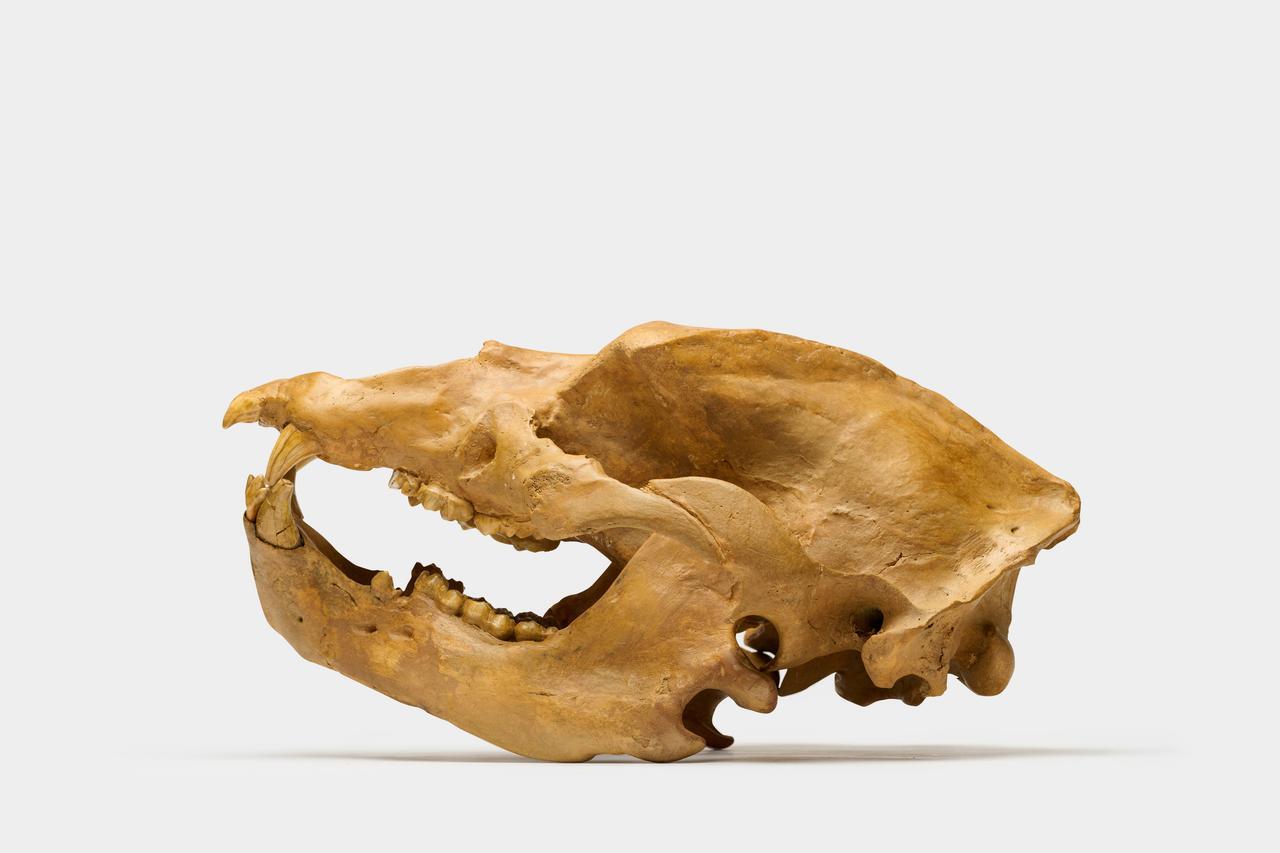
巨大で黒いOuranosaurus nigeriensis基底ハドロサウルス類恐竜の歯 - 見える摂食痕 - 化石歯


02
days
15
hours
21
minutes
07
seconds

 | €30 |
|---|
Catawiki Buyer Protection
Your payment’s safe with us until you receive your object.View details
Trustpilot 4.4 | 137988 reviews
Rated Excellent on Trustpilot.
Scientific name Ouranosaurus nigeriensis; Specimen: Top Huge Black Ouranosaurus nigeriensis Basal Hadrosaurid Dinosaur Tooth - Visible Feeding Wear; Geological period Lower Cretaceous, Aptian/Albian stage (113 million years); Condition Natural; Authenticity Original/official.
AI-assisted summary
Description from the seller
Scientific name: Ouranosaurus nigeriensis, (Taquet, 1976) - 基底的 Hadrosauriform - Iguanodontian
Location: Gadoufaoua, Téneré Desert, Niger.
Geological Formation: Erlhaz Fm
Age: Lower Cretaceous, Aptian/Albian stage ( 113 million years)
Size: 2,3cm
REF.: #S578
DESCRIPTION:
Observations about our specimen: Truly huge adult with unusual size. Nicely developed feeding wear. No restorations or repairs. An authentic Ouranosaurus tooth masterpiece. Enamel color its aoustanding as well, showing deep black colors.
Ouranosaurus nigeriensis is a 7–8 meter (23–27 ft) long, herbivorous dinosaur that lived in Niger during the Early Cretaceous (Aptian stage, ~110–125 million years ago). Named in 1976 by Philippe Taquet, this ornithopod is distinct for the long, sail-like or hump-like structure along its back, likely used for thermoregulation or display.
Key Facts About Ouranosaurus:
Discovery: Two nearly complete skeletons were discovered in 1965 and 1970 in the Gadoufaoua deposits (Elrhaz Formation) in the Agadez region of Niger.
Physical Features: It had a flat, duck-like snout, a stiff back with long neural spines forming a sail, a long, deep tail, and a mix of bipedal/quadrupedal features.
Classification: Initially classified as an iguanodontian, it is currently recognized as a basal hadrosauriform.
Habitat: It inhabited a wet, fluvial environment (rivers and floodplains) alongside predators like Suchomimus and Eocarcharia.
Weight: Estimated to weigh between 2.2 and 4 metric tons.
Unique Characteristics
The Sail/Hump: The spines on its back were high, particularly over the arms, leading to debates on whether it held a, skin sail (like Spinosaurus) or a, fat-filled hump (like a camel).
"Brave" Name: The name means "brave lizard" in local dialects and the Greek word for lizard.
Unique Features: Unlike other iguanodonts, its fifth finger was not prehensile.
All of our fossils come with a Certificate of Authenticity. Every week, the issued Certificates of Authenticity are updated in our database verification system on our website. If you find that your certificate has not yet been updated, please contact us and we will update it immediately. Display box included.
Seller's Story
Jurassic Dreams is the world's largest online dinosaur fossils store, unrivaled as the most reputable source for authentic fossil specimens. We are the only leading online fossils store owned by an accredited geologist and paleontology expert. In addition, we have extraordinary authentic meteorites specimens from all over the universe.
With dozens of different specimens in stock... our customers come back time and again. Because, simply put, our lifetime guarantee is unbeatable.
My name is Juan A. Poblador and I have a strong academic background in Paleontology and Geology from the University of Madrid and University of Alicante. I have participated in fossil excavation projects in several locations mainly in Europe and Africa for over 10 years. Writing scientifically accurate descriptions of every specimen is one of the tasks that consume most of my time. Obviously, recognizing fake and restored fossils is second nature to me. So you can be sure that every fossil in this website has been carefully screened and inspected by me.
I have served collectors and fossil enthusiasts over the years. I have also supplied museums and institutions. I combine the study and research of significant specimens with exhibiting and selling the many other finds, which helps fund the new expeditions.
Additionally, I have a small team of support staff for logistics. I've personally trained them to handle and pack the fossils properly so that they can be shipped within 24 hours and arrive at your door in one piece.
Last but not least, I'm fortunate to have a great network of other seasoned paleontologists with whom I discuss the rarest items, new discoveries, and exploration trips to remote quarries... If I don't know something, the paleontological community really helps out.
I like to manage Jurassic Dreams as a well curated online exhibition of museum grade pieces. I'm a collector myself and I love to share the knowledge with other fellow collectors. That's why I will respond to any email when you have any doubt or when you buy, and you'll have a personalized fossil selection experience.
Jurassic Dreams a proud member of the Association of Applied Paleontological Sciences (AAPS) and abide by its Code of Ethics. The Association of Applied Paleontological Sciences conforms to the recommendations of The National Academy of Sciences Report on Paleontological Collecting and standard business practices and ethics.
In addition, we are the certified member #5681 of the International Meteorite Collectors Association (IMCA) and a certified member of GMA (Global Meteorite Association) G0043. IMCA and GMA are the most prestigious associations helping meteorite collectors in their search for Authentic Meteorites for their collections and assisting others in helping to learn more about meteorites.
A physical certificate of authenticity is provided free of charge with every fossil we sell. This is our lifetime guarantee. The certificate, individually prepared for each fossil by Juan A. Poblador, an expert paleontologist, contains an accurate scientific description, and the certificate's validity can be verified online at all times. In addition, a 100% money-back guarantee is provided.
Scientific name: Ouranosaurus nigeriensis, (Taquet, 1976) - 基底的 Hadrosauriform - Iguanodontian
Location: Gadoufaoua, Téneré Desert, Niger.
Geological Formation: Erlhaz Fm
Age: Lower Cretaceous, Aptian/Albian stage ( 113 million years)
Size: 2,3cm
REF.: #S578
DESCRIPTION:
Observations about our specimen: Truly huge adult with unusual size. Nicely developed feeding wear. No restorations or repairs. An authentic Ouranosaurus tooth masterpiece. Enamel color its aoustanding as well, showing deep black colors.
Ouranosaurus nigeriensis is a 7–8 meter (23–27 ft) long, herbivorous dinosaur that lived in Niger during the Early Cretaceous (Aptian stage, ~110–125 million years ago). Named in 1976 by Philippe Taquet, this ornithopod is distinct for the long, sail-like or hump-like structure along its back, likely used for thermoregulation or display.
Key Facts About Ouranosaurus:
Discovery: Two nearly complete skeletons were discovered in 1965 and 1970 in the Gadoufaoua deposits (Elrhaz Formation) in the Agadez region of Niger.
Physical Features: It had a flat, duck-like snout, a stiff back with long neural spines forming a sail, a long, deep tail, and a mix of bipedal/quadrupedal features.
Classification: Initially classified as an iguanodontian, it is currently recognized as a basal hadrosauriform.
Habitat: It inhabited a wet, fluvial environment (rivers and floodplains) alongside predators like Suchomimus and Eocarcharia.
Weight: Estimated to weigh between 2.2 and 4 metric tons.
Unique Characteristics
The Sail/Hump: The spines on its back were high, particularly over the arms, leading to debates on whether it held a, skin sail (like Spinosaurus) or a, fat-filled hump (like a camel).
"Brave" Name: The name means "brave lizard" in local dialects and the Greek word for lizard.
Unique Features: Unlike other iguanodonts, its fifth finger was not prehensile.
All of our fossils come with a Certificate of Authenticity. Every week, the issued Certificates of Authenticity are updated in our database verification system on our website. If you find that your certificate has not yet been updated, please contact us and we will update it immediately. Display box included.
Seller's Story
Jurassic Dreams is the world's largest online dinosaur fossils store, unrivaled as the most reputable source for authentic fossil specimens. We are the only leading online fossils store owned by an accredited geologist and paleontology expert. In addition, we have extraordinary authentic meteorites specimens from all over the universe.
With dozens of different specimens in stock... our customers come back time and again. Because, simply put, our lifetime guarantee is unbeatable.
My name is Juan A. Poblador and I have a strong academic background in Paleontology and Geology from the University of Madrid and University of Alicante. I have participated in fossil excavation projects in several locations mainly in Europe and Africa for over 10 years. Writing scientifically accurate descriptions of every specimen is one of the tasks that consume most of my time. Obviously, recognizing fake and restored fossils is second nature to me. So you can be sure that every fossil in this website has been carefully screened and inspected by me.
I have served collectors and fossil enthusiasts over the years. I have also supplied museums and institutions. I combine the study and research of significant specimens with exhibiting and selling the many other finds, which helps fund the new expeditions.
Additionally, I have a small team of support staff for logistics. I've personally trained them to handle and pack the fossils properly so that they can be shipped within 24 hours and arrive at your door in one piece.
Last but not least, I'm fortunate to have a great network of other seasoned paleontologists with whom I discuss the rarest items, new discoveries, and exploration trips to remote quarries... If I don't know something, the paleontological community really helps out.
I like to manage Jurassic Dreams as a well curated online exhibition of museum grade pieces. I'm a collector myself and I love to share the knowledge with other fellow collectors. That's why I will respond to any email when you have any doubt or when you buy, and you'll have a personalized fossil selection experience.
Jurassic Dreams a proud member of the Association of Applied Paleontological Sciences (AAPS) and abide by its Code of Ethics. The Association of Applied Paleontological Sciences conforms to the recommendations of The National Academy of Sciences Report on Paleontological Collecting and standard business practices and ethics.
In addition, we are the certified member #5681 of the International Meteorite Collectors Association (IMCA) and a certified member of GMA (Global Meteorite Association) G0043. IMCA and GMA are the most prestigious associations helping meteorite collectors in their search for Authentic Meteorites for their collections and assisting others in helping to learn more about meteorites.
A physical certificate of authenticity is provided free of charge with every fossil we sell. This is our lifetime guarantee. The certificate, individually prepared for each fossil by Juan A. Poblador, an expert paleontologist, contains an accurate scientific description, and the certificate's validity can be verified online at all times. In addition, a 100% money-back guarantee is provided.
Details
標本
Top Huge Black Ouranosaurus nigeriensis Basal Hadrosaurid Dinosaur Tooth - Visible Feeding Wear
地質年代
Lower Cretaceous, Aptian/Albian stage ( 113 million years)
コンディション
Natural
Authenticity
Original/official
Sold by