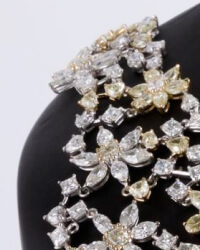
リング - 14 kt. White gold - 2.62ct. tw. Diamond (Lab-grown) - Diamond - E VVS2 IGI


04
days
16
hours
34
minutes
46
seconds
Current bid
€ 270
Reserve price not met

 | €270 | |
|---|---|---|
 | €250 |
Catawiki Buyer Protection
Your payment’s safe with us until you receive your object.View details
Trustpilot 4.4 | 139188 reviews
Rated Excellent on Trustpilot.
Unisex 14 kt white gold ring with a 2.02 ct oval lab-grown center diamond (color E, clarity VVS2) and two oval lab-grown side diamonds totaling 0.60 ct, IGI report LG819658849, total stones 2.62 ct, weight 3.01 g, EU size 54, origin Israel, new with free resizing.
AI-assisted summary
Description from the seller
なぜラボ成長ダイヤモンドを選ぶのですか?採掘が不要で、環境への影響が低く、何より紛争フリーです!
リングサイズ: 54 (EU) / 7 (US)
(出荷前にサイズ直しが可能な場合があります。すべてのリングがサイズ直し可能とは限りませんので、事前にご確認のうえご連絡ください)
素材: ホワイトゴールド
純度: 14K
重量: 3.01グラム
センター・ストーン:
タイプ: ラボグロウンダイヤモンド
カット: オーバル・ブリリアント
カラット: 2.02
カラー: E
クラリティ: VVS2
IGI 認証書: LG819658849
サイドストーン:
タイプ: ラボグロウンダイヤモンド
カット: オーバル・ブリリアント
数量: 2
カラット: 0.60
VATおよび税金:
ご居住国は関税や輸入税を課す場合があります。
関税および税金は商品価格に含まれていません。国ごとに異なるため、現地の税金やVATをお客様自身が確認する責任があります。
ロシアおよび中国へはダイヤモンドを発送できません
私たちの最優先はお客様の満足です!小さな質問でもお気軽にお問い合わせください!
落札者がキャンセル/撤回を決定した場合、発送費と出品者の返品に伴う輸入関税のすべてのリスクと費用を落札者が負担します。
Seller's Story
At Yatkovski, we specialize in high-quality lab-grown diamonds and fine jewelry, crafted with precision, ethics, and modern innovation. Based in the prestigious Diamond Exchange Center in Israel, we bring over 40 years of industry experience to every piece we create, combining deep expertise with uncompromising standards.
Our collection features IGI-certified lab-grown diamonds, created using advanced technology to deliver exceptional brilliance, purity, and beauty without compromise. From timeless engagement rings to custom designs and bespoke creations, each piece is thoughtfully crafted to reflect lasting elegance and personal meaning.
At Yatkovski, we are committed to transparency, craftsmanship, and exceptional service, ensuring every client receives a diamond they can trust and treasure for a lifetime.
なぜラボ成長ダイヤモンドを選ぶのですか?採掘が不要で、環境への影響が低く、何より紛争フリーです!
リングサイズ: 54 (EU) / 7 (US)
(出荷前にサイズ直しが可能な場合があります。すべてのリングがサイズ直し可能とは限りませんので、事前にご確認のうえご連絡ください)
素材: ホワイトゴールド
純度: 14K
重量: 3.01グラム
センター・ストーン:
タイプ: ラボグロウンダイヤモンド
カット: オーバル・ブリリアント
カラット: 2.02
カラー: E
クラリティ: VVS2
IGI 認証書: LG819658849
サイドストーン:
タイプ: ラボグロウンダイヤモンド
カット: オーバル・ブリリアント
数量: 2
カラット: 0.60
VATおよび税金:
ご居住国は関税や輸入税を課す場合があります。
関税および税金は商品価格に含まれていません。国ごとに異なるため、現地の税金やVATをお客様自身が確認する責任があります。
ロシアおよび中国へはダイヤモンドを発送できません
私たちの最優先はお客様の満足です!小さな質問でもお気軽にお問い合わせください!
落札者がキャンセル/撤回を決定した場合、発送費と出品者の返品に伴う輸入関税のすべてのリスクと費用を落札者が負担します。
Seller's Story
At Yatkovski, we specialize in high-quality lab-grown diamonds and fine jewelry, crafted with precision, ethics, and modern innovation. Based in the prestigious Diamond Exchange Center in Israel, we bring over 40 years of industry experience to every piece we create, combining deep expertise with uncompromising standards.
Our collection features IGI-certified lab-grown diamonds, created using advanced technology to deliver exceptional brilliance, purity, and beauty without compromise. From timeless engagement rings to custom designs and bespoke creations, each piece is thoughtfully crafted to reflect lasting elegance and personal meaning.
At Yatkovski, we are committed to transparency, craftsmanship, and exceptional service, ensuring every client receives a diamond they can trust and treasure for a lifetime.
Details
サイドストーンのシェイプ
Oval
無料サイズ直し可
はい'
Total carat weight of all stones
2.62
鑑定書番号
LG819658849
Diamond type of main stone
Lab-grown
Diamond type of surrounding stones
Lab-grown
メインストーンのダイヤモンドカラーグレード
E
鑑定書
International Gemological Institute (IGI)
時代
After 2000
サイドストーンのカッティングスタイル
Brilliant cut
金属
White gold
純度
14 kt.
ブランドジュエリー
いいえ'
Number of diamonds surrounding stones
2
Number of diamonds main stone
1
メインストーン
Diamond
サイドストーンの総カラット重量
0.60
メインストーンの総カラット重量
2.02
サイドストーン
Diamond
総重量
3.01 g
メインストーンのダイヤモンドクラリティグレード
VVS2
コンディション
New
性別
Unisex
原産国
Israel
タイトル補足情報
E VVS2 IGI
メインストーンのシェイプ
Oval
Cutting style of main stone
Brilliant cut
リングサイズ
54 (EU) / 14 (IT) / 6 ¾ (US)
Sold by
Disclaimer
Catawiki always aims to offer you the best possible buying experience. Our experts virtually review and select every object in line with our submission guidelines. While we strive to provide a detailed description and photographs of each jewellery object, discrepancies or inaccuracies may occur. It is your responsibility to review all of the information provided about an object, including the condition and description, before placing an order. Sellers are responsible for the information, pictures and description provided, including the quality, quantity and nature of the jewellery supplied. A small imperfection that cannot be seen in the photo but is included in the description is not a non-conformity. What are lab-grown diamonds? Lab-grown diamonds are diamonds produced by scientists using technology that recreates the conditions under which diamonds form deep in the earth. A lab-grown diamond is chemically, physically, and optically identical to diamonds that formed naturally - the only factor that makes them different from a natural diamond is that they originate from a lab. For that reason, lab-grown diamonds cannot be considered ‘rare’ or ‘unique’ and as such they represent a more affordable option when compared to natural diamonds and are valued at a considerably lower price per carat. Due to their availability and evolving market dynamics, lab-grown diamonds may not retain value over time and typically do not carry much resale value. A Laboratory Report is not a guarantee, valuation or appraisal regarding the articles described therein. A Laboratory Report contains only the characteristics of an article described after it has been graded, tested, examined, and analysed using the techniques and equipment used at the time of the examination from that specific Gemological Laboratory. The results of any other examination performed on the article may differ depending when, how, by whom and with which grading standard the article is examined. In addition, any changes and improvements in techniques and equipment that may have occurred which may enable the examiner to detect, among other things, the use of processes for altering the characteristics of an article which use was previously undetectable, does not automatically mean the object does not conform to its description.
Catawiki always aims to offer you the best possible buying experience. Our experts virtually review and select every object in line with our submission guidelines. While we strive to provide a detailed description and photographs of each jewellery object, discrepancies or inaccuracies may occur. It is your responsibility to review all of the information provided about an object, including the condition and description, before placing an order. Sellers are responsible for the information, pictures and description provided, including the quality, quantity and nature of the jewellery supplied. A small imperfection that cannot be seen in the photo but is included in the description is not a non-conformity. What are lab-grown diamonds? Lab-grown diamonds are diamonds produced by scientists using technology that recreates the conditions under which diamonds form deep in the earth. A lab-grown diamond is chemically, physically, and optically identical to diamonds that formed naturally - the only factor that makes them different from a natural diamond is that they originate from a lab. For that reason, lab-grown diamonds cannot be considered ‘rare’ or ‘unique’ and as such they represent a more affordable option when compared to natural diamonds and are valued at a considerably lower price per carat. Due to their availability and evolving market dynamics, lab-grown diamonds may not retain value over time and typically do not carry much resale value. A Laboratory Report is not a guarantee, valuation or appraisal regarding the articles described therein. A Laboratory Report contains only the characteristics of an article described after it has been graded, tested, examined, and analysed using the techniques and equipment used at the time of the examination from that specific Gemological Laboratory. The results of any other examination performed on the article may differ depending when, how, by whom and with which grading standard the article is examined. In addition, any changes and improvements in techniques and equipment that may have occurred which may enable the examiner to detect, among other things, the use of processes for altering the characteristics of an article which use was previously undetectable, does not automatically mean the object does not conform to its description.