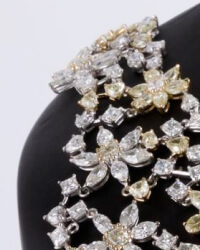
リング - 18 kt. White gold - 3.08ct. tw. Diamond (Lab-grown)


01
day
05
hours
10
minutes
56
seconds
Current bid
€ 399
Reserve price not met

 | €399 |
|---|
Catawiki Buyer Protection
Your payment’s safe with us until you receive your object.View details
Trustpilot 4.4 | 139335 reviews
Rated Excellent on Trustpilot.
Unisex 18 carat white gold ring set with 3.08 ct of lab-grown round brilliant diamonds, main stone color E-F and clarity VVS-VS, IGI laboratory report 73J2064125, total ring weight 2.64 g, ring size EU 54, new condition, cut Brillant.
AI-assisted summary
Description from the seller
当社のジュエリーは欧州法によりニッケルフリーであり、3つの認証マークを含みます:責任マーク、含有マーク、そして条約マーク(Common Control Mark)。欧州連合外ではニッケルや他の重金属の使用が許可されている場合がありますので、購入時にご留意ください。
Lab Grown DiamondはIGIの評価を受けており、18ktホワイトゴールドのリングにセットしています。
形状:ラウンドブリリアント
重量:3.08ct
カラー:E-F
クラリティ:VVS-VS
総重量:2.64g
素材:ホワイトゴールド
純度:18kt(750)
リングサイズ:54
リングのサイズ直し(別料金、購入後可能)
ホワイトゴールドまたはローズゴールド:+2サイズ / -2サイズ = €170
イエローゴールド:+2サイズ / -2サイズ = €120
EU内の購入者のすべての入札には消費税(VAT)が含まれています。
欧州連合外の販売者からダイヤモンドを購入する場合は、通関費用と現地のVAT率にご留意ください。国によっては17%〜27%の幅があります。
商品をよくご確認のうえ、入札をおこなってください。画像の一部は拡大表示されている場合があります。寸法は証明書をご参照ください。
Malca Amit - FedEx - Ferrariで、追跡付き・保険付きで発送します。
EU外の購入者は、現地の税金の支払いを自己責任で行います。
Seller's Story
89Jewels is a relatively young company but has years of experience in the diamond sector. We specialize in the sale of single Lab Grown Diamonds with IGI certificate and also manufacture Jewerly set with Lab Grown Diamonds. Thanks to our large network and worldwide contacts, we can offer Lab Grown diamonds from 0.05 carat to 20 carat at very competitive prices. For further information about us, please refer to our website. Yours sincerely, Team 89Jewels
Translated by Google Translate当社のジュエリーは欧州法によりニッケルフリーであり、3つの認証マークを含みます:責任マーク、含有マーク、そして条約マーク(Common Control Mark)。欧州連合外ではニッケルや他の重金属の使用が許可されている場合がありますので、購入時にご留意ください。
Lab Grown DiamondはIGIの評価を受けており、18ktホワイトゴールドのリングにセットしています。
形状:ラウンドブリリアント
重量:3.08ct
カラー:E-F
クラリティ:VVS-VS
総重量:2.64g
素材:ホワイトゴールド
純度:18kt(750)
リングサイズ:54
リングのサイズ直し(別料金、購入後可能)
ホワイトゴールドまたはローズゴールド:+2サイズ / -2サイズ = €170
イエローゴールド:+2サイズ / -2サイズ = €120
EU内の購入者のすべての入札には消費税(VAT)が含まれています。
欧州連合外の販売者からダイヤモンドを購入する場合は、通関費用と現地のVAT率にご留意ください。国によっては17%〜27%の幅があります。
商品をよくご確認のうえ、入札をおこなってください。画像の一部は拡大表示されている場合があります。寸法は証明書をご参照ください。
Malca Amit - FedEx - Ferrariで、追跡付き・保険付きで発送します。
EU外の購入者は、現地の税金の支払いを自己責任で行います。
Seller's Story
89Jewels is a relatively young company but has years of experience in the diamond sector. We specialize in the sale of single Lab Grown Diamonds with IGI certificate and also manufacture Jewerly set with Lab Grown Diamonds. Thanks to our large network and worldwide contacts, we can offer Lab Grown diamonds from 0.05 carat to 20 carat at very competitive prices. For further information about us, please refer to our website. Yours sincerely, Team 89Jewels
Translated by Google TranslateDetails
時代
After 2000
無料サイズ直し可
いいえ'
Total carat weight of all stones
3.08
鑑定書番号
73J2064125
鑑定書
International Gemological Institute (IGI)
Diamond type of main stone
Lab-grown
メインストーンのダイヤモンドカラーグレード
E, F
純度
18 kt.
ブランドジュエリー
いいえ'
Number of diamonds main stone
20
金属
White gold
メインストーンの総カラット重量
3.08
メインストーン
Diamond
メインストーンのダイヤモンドクラリティグレード
VS1, VS2, VVS1, VVS2
総重量
2.64 g
コンディション
New
性別
Unisex
メインストーンのシェイプ
Round
Cutting style of main stone
Brilliant cut
リングサイズ
54 (EU) / 14 (IT) / 6 ¾ (US)
Sold by
Disclaimer
Catawiki always aims to offer you the best possible buying experience. Our experts virtually review and select every object in line with our submission guidelines. While we strive to provide a detailed description and photographs of each jewellery object, discrepancies or inaccuracies may occur. It is your responsibility to review all of the information provided about an object, including the condition and description, before placing an order. Sellers are responsible for the information, pictures and description provided, including the quality, quantity and nature of the jewellery supplied. A small imperfection that cannot be seen in the photo but is included in the description is not a non-conformity. What are lab-grown diamonds? Lab-grown diamonds are diamonds produced by scientists using technology that recreates the conditions under which diamonds form deep in the earth. A lab-grown diamond is chemically, physically, and optically identical to diamonds that formed naturally - the only factor that makes them different from a natural diamond is that they originate from a lab. For that reason, lab-grown diamonds cannot be considered ‘rare’ or ‘unique’ and as such they represent a more affordable option when compared to natural diamonds and are valued at a considerably lower price per carat. Due to their availability and evolving market dynamics, lab-grown diamonds may not retain value over time and typically do not carry much resale value. A Laboratory Report is not a guarantee, valuation or appraisal regarding the articles described therein. A Laboratory Report contains only the characteristics of an article described after it has been graded, tested, examined, and analysed using the techniques and equipment used at the time of the examination from that specific Gemological Laboratory. The results of any other examination performed on the article may differ depending when, how, by whom and with which grading standard the article is examined. In addition, any changes and improvements in techniques and equipment that may have occurred which may enable the examiner to detect, among other things, the use of processes for altering the characteristics of an article which use was previously undetectable, does not automatically mean the object does not conform to its description.
Catawiki always aims to offer you the best possible buying experience. Our experts virtually review and select every object in line with our submission guidelines. While we strive to provide a detailed description and photographs of each jewellery object, discrepancies or inaccuracies may occur. It is your responsibility to review all of the information provided about an object, including the condition and description, before placing an order. Sellers are responsible for the information, pictures and description provided, including the quality, quantity and nature of the jewellery supplied. A small imperfection that cannot be seen in the photo but is included in the description is not a non-conformity. What are lab-grown diamonds? Lab-grown diamonds are diamonds produced by scientists using technology that recreates the conditions under which diamonds form deep in the earth. A lab-grown diamond is chemically, physically, and optically identical to diamonds that formed naturally - the only factor that makes them different from a natural diamond is that they originate from a lab. For that reason, lab-grown diamonds cannot be considered ‘rare’ or ‘unique’ and as such they represent a more affordable option when compared to natural diamonds and are valued at a considerably lower price per carat. Due to their availability and evolving market dynamics, lab-grown diamonds may not retain value over time and typically do not carry much resale value. A Laboratory Report is not a guarantee, valuation or appraisal regarding the articles described therein. A Laboratory Report contains only the characteristics of an article described after it has been graded, tested, examined, and analysed using the techniques and equipment used at the time of the examination from that specific Gemological Laboratory. The results of any other examination performed on the article may differ depending when, how, by whom and with which grading standard the article is examined. In addition, any changes and improvements in techniques and equipment that may have occurred which may enable the examiner to detect, among other things, the use of processes for altering the characteristics of an article which use was previously undetectable, does not automatically mean the object does not conform to its description.