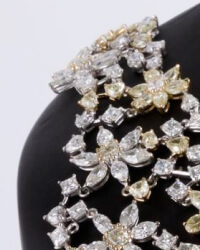
ブレスレット - 14 kt. White gold - 16.83ct. tw. Diamond (Lab-grown) - 0.5カラット以上のダイヤモンド 各


02
days
16
hours
47
minutes
15
seconds
Current bid
€ 3
Reserve price not met

 | €3 | |
|---|---|---|
 | €2 | |
 | €1 |
Catawiki Buyer Protection
Your payment’s safe with us until you receive your object.View details
Trustpilot 4.4 | 141104 reviews
Rated Excellent on Trustpilot.
Description from the seller
***EUの購入者向けの追加VATや税金はありません***
EUを拠点とする販売者として、欧州連合内の購入者には配送時に追加のVATや関税は適用されません。スムーズで煩わしさのない受け取り体験をお楽しみください。
14Kホワイトゴールドで作られた、この印象的なユニセックス・テニスブレスレットは、33個のラウンド・ブリリアント・カットのラボグロウン・ダイヤモンドを特徴とし、各ダイヤモンドは0.50キャラット超の重量があります。ダイヤモンドはブレスレット全長にわたって爪留めで丁寧に固定され、あらゆる角度から輝きを連続して見せます。
ダイヤモンドはE–Fカラー、VVSクラリティで、卓越した白さ・明るさ・視覚的純度を提供します。総ダイヤモンド重量は16.83カラットと驚くべき量で、贅沢で存在感のあるブレスレットです。大粒のダイヤモンドとクラシックなテニスブレスレットのデザインの組み合わせは、男女一問わず着用できる印象的な一品です。
各ダイヤモンドは個別に洗練された爪留めで固定され、最大限の光が石に入り込み、その輝きときらめきを高めます。14Kホワイトゴールドのセッティングがダイヤモンドを美しく引き立て、洗練された時代を超えた外観を生み出します。
仕様:
ジュエリー種別: テニスブレスレット
素材: 14Kホワイトゴールド
ダイヤモンド種別: ラボグロウンダイヤモンド
ダイヤモンド数: 33
ダイヤモンド形状: ラウンドブリリアント
個々のダイヤ重量: 各0.50ct超
総ダイヤ重量: 16.83ct
ダイヤモンドカラー: E–F
ダイヤモンドクラリティ: VVS
総ジュエリー重量: 14.64 g
証明書: HRD Antwerp
証明書番号: J260000160567
円周: 17.8 cm
性別: ユニセックス
ブレスレットはプレミアムジュエリーボックスに丁寧に梱包され、完全に保険付きで出荷されます。
Seller's Story
Welcome to Sparkles Diam GmbH – your trusted destination for lab-grown diamond jewellery that’s elegant, ethical, and expertly crafted. Each piece in our collection is made to the highest standards and designed to last a lifetime.
***EUの購入者向けの追加VATや税金はありません***
EUを拠点とする販売者として、欧州連合内の購入者には配送時に追加のVATや関税は適用されません。スムーズで煩わしさのない受け取り体験をお楽しみください。
14Kホワイトゴールドで作られた、この印象的なユニセックス・テニスブレスレットは、33個のラウンド・ブリリアント・カットのラボグロウン・ダイヤモンドを特徴とし、各ダイヤモンドは0.50キャラット超の重量があります。ダイヤモンドはブレスレット全長にわたって爪留めで丁寧に固定され、あらゆる角度から輝きを連続して見せます。
ダイヤモンドはE–Fカラー、VVSクラリティで、卓越した白さ・明るさ・視覚的純度を提供します。総ダイヤモンド重量は16.83カラットと驚くべき量で、贅沢で存在感のあるブレスレットです。大粒のダイヤモンドとクラシックなテニスブレスレットのデザインの組み合わせは、男女一問わず着用できる印象的な一品です。
各ダイヤモンドは個別に洗練された爪留めで固定され、最大限の光が石に入り込み、その輝きときらめきを高めます。14Kホワイトゴールドのセッティングがダイヤモンドを美しく引き立て、洗練された時代を超えた外観を生み出します。
仕様:
ジュエリー種別: テニスブレスレット
素材: 14Kホワイトゴールド
ダイヤモンド種別: ラボグロウンダイヤモンド
ダイヤモンド数: 33
ダイヤモンド形状: ラウンドブリリアント
個々のダイヤ重量: 各0.50ct超
総ダイヤ重量: 16.83ct
ダイヤモンドカラー: E–F
ダイヤモンドクラリティ: VVS
総ジュエリー重量: 14.64 g
証明書: HRD Antwerp
証明書番号: J260000160567
円周: 17.8 cm
性別: ユニセックス
ブレスレットはプレミアムジュエリーボックスに丁寧に梱包され、完全に保険付きで出荷されます。
Seller's Story
Welcome to Sparkles Diam GmbH – your trusted destination for lab-grown diamond jewellery that’s elegant, ethical, and expertly crafted. Each piece in our collection is made to the highest standards and designed to last a lifetime.
Details
時代
After 2000
Total carat weight of all stones
16.83
鑑定書番号
J260000160567
Diamond type of main stone
Lab-grown
鑑定書
HRD Antwerp
メインストーンのダイヤモンドカラーグレード
E, F
純度
14 kt.
ブランドジュエリー
いいえ'
Number of diamonds main stone
33
金属
White gold
メインストーンの総カラット重量
16.83
メインストーン
Diamond
メインストーンのダイヤモンドクラリティグレード
VVS1, VVS2
総重量
14.64 g
コンディション
New
原産国
Germany
性別
Unisex
タイトル補足情報
Diamonds Over 0.5 Ct Each
メインストーンのシェイプ
Round
Cutting style of main stone
Brilliant cut
内周
17.8 cm
ブレスレットサイズ
Medium (17 - 18 cm)
Sold by
Disclaimer
Catawiki always aims to offer you the best possible buying experience. Our experts virtually review and select every object in line with our submission guidelines. While we strive to provide a detailed description and photographs of each jewellery object, discrepancies or inaccuracies may occur. It is your responsibility to review all of the information provided about an object, including the condition and description, before placing an order. Sellers are responsible for the information, pictures and description provided, including the quality, quantity and nature of the jewellery supplied. A small imperfection that cannot be seen in the photo but is included in the description is not a non-conformity. What are lab-grown diamonds? Lab-grown diamonds are diamonds produced by scientists using technology that recreates the conditions under which diamonds form deep in the earth. A lab-grown diamond is chemically, physically, and optically identical to diamonds that formed naturally - the only factor that makes them different from a natural diamond is that they originate from a lab. For that reason, lab-grown diamonds cannot be considered ‘rare’ or ‘unique’ and as such they represent a more affordable option when compared to natural diamonds and are valued at a considerably lower price per carat. Due to their availability and evolving market dynamics, lab-grown diamonds may not retain value over time and typically do not carry much resale value. A Laboratory Report is not a guarantee, valuation or appraisal regarding the articles described therein. A Laboratory Report contains only the characteristics of an article described after it has been graded, tested, examined, and analysed using the techniques and equipment used at the time of the examination from that specific Gemological Laboratory. The results of any other examination performed on the article may differ depending when, how, by whom and with which grading standard the article is examined. In addition, any changes and improvements in techniques and equipment that may have occurred which may enable the examiner to detect, among other things, the use of processes for altering the characteristics of an article which use was previously undetectable, does not automatically mean the object does not conform to its description.
Catawiki always aims to offer you the best possible buying experience. Our experts virtually review and select every object in line with our submission guidelines. While we strive to provide a detailed description and photographs of each jewellery object, discrepancies or inaccuracies may occur. It is your responsibility to review all of the information provided about an object, including the condition and description, before placing an order. Sellers are responsible for the information, pictures and description provided, including the quality, quantity and nature of the jewellery supplied. A small imperfection that cannot be seen in the photo but is included in the description is not a non-conformity. What are lab-grown diamonds? Lab-grown diamonds are diamonds produced by scientists using technology that recreates the conditions under which diamonds form deep in the earth. A lab-grown diamond is chemically, physically, and optically identical to diamonds that formed naturally - the only factor that makes them different from a natural diamond is that they originate from a lab. For that reason, lab-grown diamonds cannot be considered ‘rare’ or ‘unique’ and as such they represent a more affordable option when compared to natural diamonds and are valued at a considerably lower price per carat. Due to their availability and evolving market dynamics, lab-grown diamonds may not retain value over time and typically do not carry much resale value. A Laboratory Report is not a guarantee, valuation or appraisal regarding the articles described therein. A Laboratory Report contains only the characteristics of an article described after it has been graded, tested, examined, and analysed using the techniques and equipment used at the time of the examination from that specific Gemological Laboratory. The results of any other examination performed on the article may differ depending when, how, by whom and with which grading standard the article is examined. In addition, any changes and improvements in techniques and equipment that may have occurred which may enable the examiner to detect, among other things, the use of processes for altering the characteristics of an article which use was previously undetectable, does not automatically mean the object does not conform to its description.