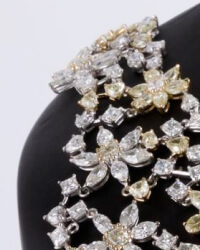
ネックレス - 14 kt. White gold - 6.36ct. tw. Diamond (Lab-grown) - 14金ホワイトゴールドのネックレス


01
day
05
hours
11
minutes
21
seconds
Current bid
€ 650
Reserve price not met

 | €650 | |
|---|---|---|
 | €600 | |
| €500 | |
Catawiki Buyer Protection
Your payment’s safe with us until you receive your object.View details
Trustpilot 4.4 | 142553 reviews
Rated Excellent on Trustpilot.
A 14 kt white gold necklace, 16 inches long and weighing 10.37 g, set with 172 lab-grown diamonds totaling 6.36 ct, color E/F and clarity VVS1–VVS2, round brilliant-cut in prong settings, with HRD Antwerp laboratory report J260000197591.
AI-assisted summary
Description from the seller
入札前にすべての測定値を確認してください。
インドで手作りされるそれぞれのピースには独自の物語があります。すべてのジュエリーには14ktの刻印があり、有名なラボの認証を受けています。
私たちは生活のタイミングに合わせてタイムリーな配送を信条としています。
このタイムレスなネックレスは14ktホワイトゴールドに刻印され、最高品質のカットダイヤモンドでセッティングされています。
ホワイトゴールドで作られたネックレスの安全性を守る頑丈なロックが装備されています。日常のラグジュアリーとしてコレクションに加えてください。長く愛される美しさで、男性も女性も身につけられます。
長さ - 16インチ
Hr d report no - J26000197591
総重量 - 10.37 g
素材 - ホワイトゴールド
ダイヤモンドの重量 - 6.36 CTS
石の数 - 172
明瞭度 - E F
クラリティ - VVS
セッティング - プラグ(プリング)
*Important*
送料無料(世界中)
すべての商品はインドから発送されます
購入および配送に適用される可能性のある現地関税やVATは、お客様のご負担となります。
輸入関税と税金は商品価格に含まれていません。
お客様は各国の通関手続き時にVATと輸入関税をお支払いください。
落札者がキャンセル/取り消しを決定した場合、すべての配送費用および返品の輸入関税のリスクと費用を出品者が負うことになります。
Seller's Story
LAB 2 BLING
NEW DIAMONDS. BOLDER STORIES.
Welcome to LAB 2 BLING, where modern diamonds meet fearless style.
We believe diamonds should be a celebration of you—not something you save only for
special occasions. Our lab-grown diamond jewellery brings together contemporary design,
everyday elegance and statement-making sparkle for people who love expressing
themselves.
From timeless pieces to bold designs, our collections are created to complement your
personal style and make every moment feel extraordinary. We focus on thoughtful design,
beautiful detailing and jewellery you will love to wear, gift and treasure.
At LAB 2 BLING, luxury is personal. No rules. No waiting for an occasion. Just brilliant
jewellery that feels like you.
LAB 2 BLING is a contemporary jewellery brand specialising in lab-grown diamond jewellery.
From everyday sparkle to statement pieces, our designs celebrate individuality, confidence
and modern luxury. We believe diamonds are not just for special occasions—they are for
expressing who you are.
Translated by Google Translate入札前にすべての測定値を確認してください。
インドで手作りされるそれぞれのピースには独自の物語があります。すべてのジュエリーには14ktの刻印があり、有名なラボの認証を受けています。
私たちは生活のタイミングに合わせてタイムリーな配送を信条としています。
このタイムレスなネックレスは14ktホワイトゴールドに刻印され、最高品質のカットダイヤモンドでセッティングされています。
ホワイトゴールドで作られたネックレスの安全性を守る頑丈なロックが装備されています。日常のラグジュアリーとしてコレクションに加えてください。長く愛される美しさで、男性も女性も身につけられます。
長さ - 16インチ
Hr d report no - J26000197591
総重量 - 10.37 g
素材 - ホワイトゴールド
ダイヤモンドの重量 - 6.36 CTS
石の数 - 172
明瞭度 - E F
クラリティ - VVS
セッティング - プラグ(プリング)
*Important*
送料無料(世界中)
すべての商品はインドから発送されます
購入および配送に適用される可能性のある現地関税やVATは、お客様のご負担となります。
輸入関税と税金は商品価格に含まれていません。
お客様は各国の通関手続き時にVATと輸入関税をお支払いください。
落札者がキャンセル/取り消しを決定した場合、すべての配送費用および返品の輸入関税のリスクと費用を出品者が負うことになります。
Seller's Story
LAB 2 BLING
NEW DIAMONDS. BOLDER STORIES.
Welcome to LAB 2 BLING, where modern diamonds meet fearless style.
We believe diamonds should be a celebration of you—not something you save only for
special occasions. Our lab-grown diamond jewellery brings together contemporary design,
everyday elegance and statement-making sparkle for people who love expressing
themselves.
From timeless pieces to bold designs, our collections are created to complement your
personal style and make every moment feel extraordinary. We focus on thoughtful design,
beautiful detailing and jewellery you will love to wear, gift and treasure.
At LAB 2 BLING, luxury is personal. No rules. No waiting for an occasion. Just brilliant
jewellery that feels like you.
LAB 2 BLING is a contemporary jewellery brand specialising in lab-grown diamond jewellery.
From everyday sparkle to statement pieces, our designs celebrate individuality, confidence
and modern luxury. We believe diamonds are not just for special occasions—they are for
expressing who you are.
Translated by Google TranslateDetails
時代
After 2000
Total carat weight of all stones
6.36
鑑定書番号
J260000197591
Diamond type of main stone
Lab-grown
鑑定書
HRD Antwerp
メインストーンのダイヤモンドカラーグレード
E, F
純度
14 kt.
ブランドジュエリー
いいえ'
Number of diamonds main stone
172
金属
White gold
メインストーンの総カラット重量
6.36
メインストーン
Diamond
メインストーンのダイヤモンドクラリティグレード
VVS1, VVS2
総重量
10.37 g
コンディション
New
性別
Unisex
タイトル補足情報
14kt white gold necklace
メインストーンのシェイプ
Round
Cutting style of main stone
Brilliant cut
長さ
16 in
Sold by
Disclaimer
Catawiki always aims to offer you the best possible buying experience. Our experts virtually review and select every object in line with our submission guidelines. While we strive to provide a detailed description and photographs of each jewellery object, discrepancies or inaccuracies may occur. It is your responsibility to review all of the information provided about an object, including the condition and description, before placing an order. Sellers are responsible for the information, pictures and description provided, including the quality, quantity and nature of the jewellery supplied. A small imperfection that cannot be seen in the photo but is included in the description is not a non-conformity. What are lab-grown diamonds? Lab-grown diamonds are diamonds produced by scientists using technology that recreates the conditions under which diamonds form deep in the earth. A lab-grown diamond is chemically, physically, and optically identical to diamonds that formed naturally - the only factor that makes them different from a natural diamond is that they originate from a lab. For that reason, lab-grown diamonds cannot be considered ‘rare’ or ‘unique’ and as such they represent a more affordable option when compared to natural diamonds and are valued at a considerably lower price per carat. Due to their availability and evolving market dynamics, lab-grown diamonds may not retain value over time and typically do not carry much resale value. A Laboratory Report is not a guarantee, valuation or appraisal regarding the articles described therein. A Laboratory Report contains only the characteristics of an article described after it has been graded, tested, examined, and analysed using the techniques and equipment used at the time of the examination from that specific Gemological Laboratory. The results of any other examination performed on the article may differ depending when, how, by whom and with which grading standard the article is examined. In addition, any changes and improvements in techniques and equipment that may have occurred which may enable the examiner to detect, among other things, the use of processes for altering the characteristics of an article which use was previously undetectable, does not automatically mean the object does not conform to its description.
Catawiki always aims to offer you the best possible buying experience. Our experts virtually review and select every object in line with our submission guidelines. While we strive to provide a detailed description and photographs of each jewellery object, discrepancies or inaccuracies may occur. It is your responsibility to review all of the information provided about an object, including the condition and description, before placing an order. Sellers are responsible for the information, pictures and description provided, including the quality, quantity and nature of the jewellery supplied. A small imperfection that cannot be seen in the photo but is included in the description is not a non-conformity. What are lab-grown diamonds? Lab-grown diamonds are diamonds produced by scientists using technology that recreates the conditions under which diamonds form deep in the earth. A lab-grown diamond is chemically, physically, and optically identical to diamonds that formed naturally - the only factor that makes them different from a natural diamond is that they originate from a lab. For that reason, lab-grown diamonds cannot be considered ‘rare’ or ‘unique’ and as such they represent a more affordable option when compared to natural diamonds and are valued at a considerably lower price per carat. Due to their availability and evolving market dynamics, lab-grown diamonds may not retain value over time and typically do not carry much resale value. A Laboratory Report is not a guarantee, valuation or appraisal regarding the articles described therein. A Laboratory Report contains only the characteristics of an article described after it has been graded, tested, examined, and analysed using the techniques and equipment used at the time of the examination from that specific Gemological Laboratory. The results of any other examination performed on the article may differ depending when, how, by whom and with which grading standard the article is examined. In addition, any changes and improvements in techniques and equipment that may have occurred which may enable the examiner to detect, among other things, the use of processes for altering the characteristics of an article which use was previously undetectable, does not automatically mean the object does not conform to its description.