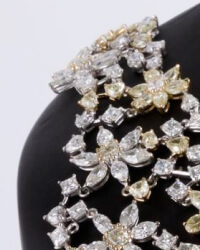
リング - 14 kt. White gold - 3.02ct. tw. Diamond (Lab-grown)


03
days
17
hours
01
minute
00
seconds

No bids placed
Catawiki Buyer Protection
Your payment’s safe with us until you receive your object.View details
Trustpilot 4.4 | 142824 reviews
Rated Excellent on Trustpilot.
Description from the seller
D506 – ラボ成長ダイヤモンド ソリテールリング
Ref No.: D506
時代を超えるエレガントなソリテールリング。美しいオーバル・ブリリアント・カットの3.02カラットのラボ成長ダイヤモンドをセンターに据えた逸品です。DカラーとVS2クラリティの組み合わせは、透明感が高く、輝きと炎を放つ明るい外観を実現します。上質なホワイトメタルのセッティングにセットされたこのクラシックなデザインは、センターの目玉石を引き立てます。
ダイヤモンドの詳細
センター・ストーン: 3.02カラット
タイプ: ラボ成長ダイヤモンド
形状・カット: オーバル・ブリリアント
カラー: D
クラリティ: VS2
サイズ: 11.47 × 8.33 × 5.15 mm
ポリッシュ: Excellent
シンメトリー: Excellent
蛍光性: None
成長方法: CVD
処理: 成長後処理
IGIレポートNo.: LG816645420
金属
セッティング: 上質なホワイトメタルのソリテールセッティング
金純度: 最終リングに選択された純度
認証
センター・ダイヤモンドには真偽と評価の検証のためのIGIラボ成長ダイヤモンドレポートが同梱されています。
同梱内容
1 点 ラボ成長ダイヤモンドリング
IGI ラボ成長ダイヤモンドレポート
金属検証用 金純度カード
金純度カード検証
リングには金属純度の検証用金純度カードが付属します。
重要な注意
新規リング(必要な場合): 複雑さにより最大€50の追加料金。金量の増加がある場合は、現在の金相場に基づき請求されます。
配送
DHLによる安全で保険付きの世界配送。
全ての商品はインドから発送されます。関税、VAT、輸入税は購入者のご負担となります。関税や税金は商品価格には含まれていません。返品またはキャンセルの場合、送料および発生した関税は購入者のご負担となります。
Seller's Story
Gleveraでは、革新性・希少性・卓越した輝きを求めるコレクターのために設計された、ハイエンドのラボグロウンダイヤモンドジュエリーを専門としています。
私たちの focus は、希少なファンシーカラーのラボグロウンダイヤモンドを特徴とする並外れた作品の創作に注力しており、その色味と濃淡は現在の市場では他に類を見ません。
1986年からのダイヤモンド業界での強固な基盤を持ち、私たちの専門知識は、深く根付いた職人技と現代のラグジュアリーに対する前向きな視点を融合させたものです。
すべての作品は、精密さ・信頼性・そして私たちを際立たせる独自の美学を反映するよう、綿密に設計されています。
Catawikiを通じて、最新のデザイン、卓越したカラーイノベーション、そしてラボグロウンダイヤモンドジュエリーにおける妥協のない品質を評価する世界中のコレクターとつながっています。
Translated by Google TranslateD506 – ラボ成長ダイヤモンド ソリテールリング
Ref No.: D506
時代を超えるエレガントなソリテールリング。美しいオーバル・ブリリアント・カットの3.02カラットのラボ成長ダイヤモンドをセンターに据えた逸品です。DカラーとVS2クラリティの組み合わせは、透明感が高く、輝きと炎を放つ明るい外観を実現します。上質なホワイトメタルのセッティングにセットされたこのクラシックなデザインは、センターの目玉石を引き立てます。
ダイヤモンドの詳細
センター・ストーン: 3.02カラット
タイプ: ラボ成長ダイヤモンド
形状・カット: オーバル・ブリリアント
カラー: D
クラリティ: VS2
サイズ: 11.47 × 8.33 × 5.15 mm
ポリッシュ: Excellent
シンメトリー: Excellent
蛍光性: None
成長方法: CVD
処理: 成長後処理
IGIレポートNo.: LG816645420
金属
セッティング: 上質なホワイトメタルのソリテールセッティング
金純度: 最終リングに選択された純度
認証
センター・ダイヤモンドには真偽と評価の検証のためのIGIラボ成長ダイヤモンドレポートが同梱されています。
同梱内容
1 点 ラボ成長ダイヤモンドリング
IGI ラボ成長ダイヤモンドレポート
金属検証用 金純度カード
金純度カード検証
リングには金属純度の検証用金純度カードが付属します。
重要な注意
新規リング(必要な場合): 複雑さにより最大€50の追加料金。金量の増加がある場合は、現在の金相場に基づき請求されます。
配送
DHLによる安全で保険付きの世界配送。
全ての商品はインドから発送されます。関税、VAT、輸入税は購入者のご負担となります。関税や税金は商品価格には含まれていません。返品またはキャンセルの場合、送料および発生した関税は購入者のご負担となります。
Seller's Story
Gleveraでは、革新性・希少性・卓越した輝きを求めるコレクターのために設計された、ハイエンドのラボグロウンダイヤモンドジュエリーを専門としています。
私たちの focus は、希少なファンシーカラーのラボグロウンダイヤモンドを特徴とする並外れた作品の創作に注力しており、その色味と濃淡は現在の市場では他に類を見ません。
1986年からのダイヤモンド業界での強固な基盤を持ち、私たちの専門知識は、深く根付いた職人技と現代のラグジュアリーに対する前向きな視点を融合させたものです。
すべての作品は、精密さ・信頼性・そして私たちを際立たせる独自の美学を反映するよう、綿密に設計されています。
Catawikiを通じて、最新のデザイン、卓越したカラーイノベーション、そしてラボグロウンダイヤモンドジュエリーにおける妥協のない品質を評価する世界中のコレクターとつながっています。
Translated by Google TranslateDetails
時代
After 2000
Total carat weight of all stones
3.02
鑑定書
Gemological Institute of America (GIA)
鑑定書番号
LG816645420
Diamond type of main stone
Lab-grown
メインストーンのダイヤモンドカラーグレード
D (colourless)
金属
White gold
純度
14 kt.
ブランドジュエリー
いいえ'
Number of diamonds main stone
1
メインストーン
Diamond
メインストーンの総カラット重量
3.02
メインストーンのダイヤモンドクラリティグレード
VS2
総重量
3 g
コンディション
As new - unused
原産国
India
性別
Women
メインストーンのシェイプ
Oval
Cutting style of main stone
Brilliant cut
リングサイズ
54 (EU) / 14 (IT) / 6 ¾ (US)
Disclaimer
Catawiki always aims to offer you the best possible buying experience. Our experts virtually review and select every object in line with our submission guidelines. While we strive to provide a detailed description and photographs of each jewellery object, discrepancies or inaccuracies may occur. It is your responsibility to review all of the information provided about an object, including the condition and description, before placing an order. Sellers are responsible for the information, pictures and description provided, including the quality, quantity and nature of the jewellery supplied. A small imperfection that cannot be seen in the photo but is included in the description is not a non-conformity. What are lab-grown diamonds? Lab-grown diamonds are diamonds produced by scientists using technology that recreates the conditions under which diamonds form deep in the earth. A lab-grown diamond is chemically, physically, and optically identical to diamonds that formed naturally - the only factor that makes them different from a natural diamond is that they originate from a lab. For that reason, lab-grown diamonds cannot be considered ‘rare’ or ‘unique’ and as such they represent a more affordable option when compared to natural diamonds and are valued at a considerably lower price per carat. Due to their availability and evolving market dynamics, lab-grown diamonds may not retain value over time and typically do not carry much resale value. A Laboratory Report is not a guarantee, valuation or appraisal regarding the articles described therein. A Laboratory Report contains only the characteristics of an article described after it has been graded, tested, examined, and analysed using the techniques and equipment used at the time of the examination from that specific Gemological Laboratory. The results of any other examination performed on the article may differ depending when, how, by whom and with which grading standard the article is examined. In addition, any changes and improvements in techniques and equipment that may have occurred which may enable the examiner to detect, among other things, the use of processes for altering the characteristics of an article which use was previously undetectable, does not automatically mean the object does not conform to its description.
Catawiki always aims to offer you the best possible buying experience. Our experts virtually review and select every object in line with our submission guidelines. While we strive to provide a detailed description and photographs of each jewellery object, discrepancies or inaccuracies may occur. It is your responsibility to review all of the information provided about an object, including the condition and description, before placing an order. Sellers are responsible for the information, pictures and description provided, including the quality, quantity and nature of the jewellery supplied. A small imperfection that cannot be seen in the photo but is included in the description is not a non-conformity. What are lab-grown diamonds? Lab-grown diamonds are diamonds produced by scientists using technology that recreates the conditions under which diamonds form deep in the earth. A lab-grown diamond is chemically, physically, and optically identical to diamonds that formed naturally - the only factor that makes them different from a natural diamond is that they originate from a lab. For that reason, lab-grown diamonds cannot be considered ‘rare’ or ‘unique’ and as such they represent a more affordable option when compared to natural diamonds and are valued at a considerably lower price per carat. Due to their availability and evolving market dynamics, lab-grown diamonds may not retain value over time and typically do not carry much resale value. A Laboratory Report is not a guarantee, valuation or appraisal regarding the articles described therein. A Laboratory Report contains only the characteristics of an article described after it has been graded, tested, examined, and analysed using the techniques and equipment used at the time of the examination from that specific Gemological Laboratory. The results of any other examination performed on the article may differ depending when, how, by whom and with which grading standard the article is examined. In addition, any changes and improvements in techniques and equipment that may have occurred which may enable the examiner to detect, among other things, the use of processes for altering the characteristics of an article which use was previously undetectable, does not automatically mean the object does not conform to its description.