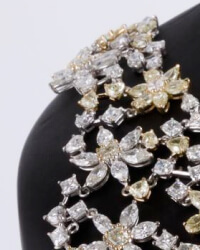
イヤリング - 14 kt. White gold - 3.90ct. tw. Diamond (Lab-grown)


00
days
23
hours
09
minutes
03
seconds

 | €1 |
|---|
Catawiki Buyer Protection
Your payment’s safe with us until you receive your object.View details
Trustpilot 4.4 | 145414 reviews
Rated Excellent on Trustpilot.
These new stud earrings feature two lab-grown modified octagonal step-cut diamonds totalling 3.9 carats, in 14 ct white gold, with E colour, VS1 and VS2 clarity, and IGI reports LG809606785 and LG809606786.
AI-assisted summary
Description from the seller
4.90カラット モディファイド・オクタゴナル・ステップカット ラボグロウンダイヤモンド スタッドピアス|IGI認定|14Kイエローゴールド
合計4.90カラット|ラボグロウンダイヤモンドピアス
卓越した輝きとすっきりとした建築的なラインが際立つ、モディファイド・オクタゴナル・ステップカットのラボグロウンダイヤモンドをあしらった、エレガントなスタッドピアスです。14Kイエローゴールドで仕立てたタイムレスなデザイン。クラシックな爪留めでしっかりと固定されており、日常の上質な装いにも特別な日にもぴったりです。
IGI認定|レーザー刻印入り
ダイヤモンド詳細
センターダイヤモンド
種類:ラボグロウンダイヤモンド
合計カラット重量:3.90カラット
ダイヤモンド1:2.01カラット
ダイヤモンド2:1.89カラット
形状:モディファイド・オクタゴナル・ステップカット
カラー:E
クラリティ:VS2 / VS1
地金
14Kイエローゴールド
鑑定
IGI認定
レポート番号1:LG809606785
レポート番号2:LG809606786
レーザー刻印入り
付属品
スタッドピアス一組
IGI鑑定書
金品位カード(14Kゴールド検査済み)
重要事項
新しいセッティングまたは変更(必要な場合):複雑さに応じて最大50ユーロの追加料金がかかります。
金の重量が増加した場合は、現在の金相場に基づいて料金が加算されます。
配送
DHLによる世界中への送料無料(全額保険付き・追跡可能)。お届けまで7~12営業日。
Seller's Story
Gleveraでは、革新性・希少性・卓越した輝きを求めるコレクターのために設計された、ハイエンドのラボグロウンダイヤモンドジュエリーを専門としています。
私たちの focus は、希少なファンシーカラーのラボグロウンダイヤモンドを特徴とする並外れた作品の創作に注力しており、その色味と濃淡は現在の市場では他に類を見ません。
1986年からのダイヤモンド業界での強固な基盤を持ち、私たちの専門知識は、深く根付いた職人技と現代のラグジュアリーに対する前向きな視点を融合させたものです。
すべての作品は、精密さ・信頼性・そして私たちを際立たせる独自の美学を反映するよう、綿密に設計されています。
Catawikiを通じて、最新のデザイン、卓越したカラーイノベーション、そしてラボグロウンダイヤモンドジュエリーにおける妥協のない品質を評価する世界中のコレクターとつながっています。
Translated by Google Translate4.90カラット モディファイド・オクタゴナル・ステップカット ラボグロウンダイヤモンド スタッドピアス|IGI認定|14Kイエローゴールド
合計4.90カラット|ラボグロウンダイヤモンドピアス
卓越した輝きとすっきりとした建築的なラインが際立つ、モディファイド・オクタゴナル・ステップカットのラボグロウンダイヤモンドをあしらった、エレガントなスタッドピアスです。14Kイエローゴールドで仕立てたタイムレスなデザイン。クラシックな爪留めでしっかりと固定されており、日常の上質な装いにも特別な日にもぴったりです。
IGI認定|レーザー刻印入り
ダイヤモンド詳細
センターダイヤモンド
種類:ラボグロウンダイヤモンド
合計カラット重量:3.90カラット
ダイヤモンド1:2.01カラット
ダイヤモンド2:1.89カラット
形状:モディファイド・オクタゴナル・ステップカット
カラー:E
クラリティ:VS2 / VS1
地金
14Kイエローゴールド
鑑定
IGI認定
レポート番号1:LG809606785
レポート番号2:LG809606786
レーザー刻印入り
付属品
スタッドピアス一組
IGI鑑定書
金品位カード(14Kゴールド検査済み)
重要事項
新しいセッティングまたは変更(必要な場合):複雑さに応じて最大50ユーロの追加料金がかかります。
金の重量が増加した場合は、現在の金相場に基づいて料金が加算されます。
配送
DHLによる世界中への送料無料(全額保険付き・追跡可能)。お届けまで7~12営業日。
Seller's Story
Gleveraでは、革新性・希少性・卓越した輝きを求めるコレクターのために設計された、ハイエンドのラボグロウンダイヤモンドジュエリーを専門としています。
私たちの focus は、希少なファンシーカラーのラボグロウンダイヤモンドを特徴とする並外れた作品の創作に注力しており、その色味と濃淡は現在の市場では他に類を見ません。
1986年からのダイヤモンド業界での強固な基盤を持ち、私たちの専門知識は、深く根付いた職人技と現代のラグジュアリーに対する前向きな視点を融合させたものです。
すべての作品は、精密さ・信頼性・そして私たちを際立たせる独自の美学を反映するよう、綿密に設計されています。
Catawikiを通じて、最新のデザイン、卓越したカラーイノベーション、そしてラボグロウンダイヤモンドジュエリーにおける妥協のない品質を評価する世界中のコレクターとつながっています。
Translated by Google TranslateDetails
時代
After 2000
Total carat weight of all stones
3.90
鑑定書
International Gemological Institute (IGI)
鑑定書番号
LG809606785 / LG809606786
Diamond type of main stone
Lab-grown
メインストーンのダイヤモンドカラーグレード
E
金属
White gold
純度
14 kt.
ブランドジュエリー
いいえ'
Number of diamonds main stone
2
メインストーン
Diamond
メインストーンの総カラット重量
3.90
メインストーンのダイヤモンドクラリティグレード
VS1, VS2
総重量
2.97 g
コンディション
New
原産国
India
性別
Women
メインストーンのシェイプ
Octagon
Cutting style of main stone
Modified cut
Disclaimer
Catawiki always aims to offer you the best possible buying experience. Our experts virtually review and select every object in line with our submission guidelines. While we strive to provide a detailed description and photographs of each jewellery object, discrepancies or inaccuracies may occur. It is your responsibility to review all of the information provided about an object, including the condition and description, before placing an order. Sellers are responsible for the information, pictures and description provided, including the quality, quantity and nature of the jewellery supplied. A small imperfection that cannot be seen in the photo but is included in the description is not a non-conformity. What are lab-grown diamonds? Lab-grown diamonds are diamonds produced by scientists using technology that recreates the conditions under which diamonds form deep in the earth. A lab-grown diamond is chemically, physically, and optically identical to diamonds that formed naturally - the only factor that makes them different from a natural diamond is that they originate from a lab. For that reason, lab-grown diamonds cannot be considered ‘rare’ or ‘unique’ and as such they represent a more affordable option when compared to natural diamonds and are valued at a considerably lower price per carat. Due to their availability and evolving market dynamics, lab-grown diamonds may not retain value over time and typically do not carry much resale value. A Laboratory Report is not a guarantee, valuation or appraisal regarding the articles described therein. A Laboratory Report contains only the characteristics of an article described after it has been graded, tested, examined, and analysed using the techniques and equipment used at the time of the examination from that specific Gemological Laboratory. The results of any other examination performed on the article may differ depending when, how, by whom and with which grading standard the article is examined. In addition, any changes and improvements in techniques and equipment that may have occurred which may enable the examiner to detect, among other things, the use of processes for altering the characteristics of an article which use was previously undetectable, does not automatically mean the object does not conform to its description.
Catawiki always aims to offer you the best possible buying experience. Our experts virtually review and select every object in line with our submission guidelines. While we strive to provide a detailed description and photographs of each jewellery object, discrepancies or inaccuracies may occur. It is your responsibility to review all of the information provided about an object, including the condition and description, before placing an order. Sellers are responsible for the information, pictures and description provided, including the quality, quantity and nature of the jewellery supplied. A small imperfection that cannot be seen in the photo but is included in the description is not a non-conformity. What are lab-grown diamonds? Lab-grown diamonds are diamonds produced by scientists using technology that recreates the conditions under which diamonds form deep in the earth. A lab-grown diamond is chemically, physically, and optically identical to diamonds that formed naturally - the only factor that makes them different from a natural diamond is that they originate from a lab. For that reason, lab-grown diamonds cannot be considered ‘rare’ or ‘unique’ and as such they represent a more affordable option when compared to natural diamonds and are valued at a considerably lower price per carat. Due to their availability and evolving market dynamics, lab-grown diamonds may not retain value over time and typically do not carry much resale value. A Laboratory Report is not a guarantee, valuation or appraisal regarding the articles described therein. A Laboratory Report contains only the characteristics of an article described after it has been graded, tested, examined, and analysed using the techniques and equipment used at the time of the examination from that specific Gemological Laboratory. The results of any other examination performed on the article may differ depending when, how, by whom and with which grading standard the article is examined. In addition, any changes and improvements in techniques and equipment that may have occurred which may enable the examiner to detect, among other things, the use of processes for altering the characteristics of an article which use was previously undetectable, does not automatically mean the object does not conform to its description.