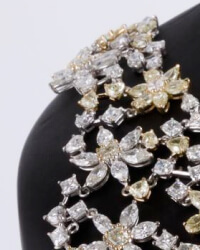
リング - 14 kt. White gold - 7.01ct. tw. Diamond (Lab-grown)


00
days
11
hours
05
minutes
03
seconds
Current bid
€ 1,354
Reserve price not met

 | €1,354 | |
|---|---|---|
| €3 | |
 | €2 | |
Catawiki Buyer Protection
Your payment’s safe with us until you receive your object.View details
Trustpilot 4.4 | 143467 reviews
Rated Excellent on Trustpilot.
Description from the seller
ラボラトリー育成ダイヤモンドの指輪
IGI認証 : LG799618409
ダイヤモンドの詳細
形状とカット: ラウンド
カラット重量: 7.01ct
カラーグレード: F
クラリティグレード: VVS2
研磨: Excellent
対称性: Excellent
蛍光: なし
指輪の詳細
素材: 14Kホワイトゴールド
指輪重量: 5.00 g
指輪サイズ: 54 EU
-入札者への重要なお知らせ-
ご入札前にロットをよくご確認ください。
一部の画像は鮮明さのため拡大されています。正確な寸法はGIA証明書をご参照ください。
商品に不安がある場合や出品内容を確認した後にグレーディングに同意できない場合は、入札をお控えください。
-出荷と保険-
UPS(またはFedEx / DHL)で発送
完全登録済み、保険付き、追跡可能
送料には関税や税金は含まれません
-付加価値税・通関・輸入税-
--EUの購入者—
すべての入札はVATを含みません。
本ロットは欧州連合外(インド)からの発送です。
輸入VATは購入者の現地税率で課税されます(国により一般的に17%–27%程度)。
VATはハンマー価格 + 送料 + 保険に基づいて計算されます。
通関手数料や宅配業者の取り扱い手数料は購入者のご負担です。
EUの購入者はすべての輸入VAT、関税、現地税の支払い義務を負います。
--EU外の購入者—
EU以外の購入者は現地の輸入規制を遵守する責任があります。
現地の税関や宅配業者によって課せられる関税、VAT/GST、税金、通関手数料は入札価格には含まれず、配送前に購入者の支払いが必要です。
-キャンセルと返品-
キャンセルまたは返品の場合:
送料、関税、およびVATは返金されません
返品送料および関連する関税は購入者のご負担です
ご関心とご理解に感謝します。
よろしくお願いいします。
ajay and jasmin
Seller's Story
Welcome to P.DIMJEWEL, based in the heart of India’s diamond hub, Surat. We specialize in the meticulous design and manufacturing of high-end jewelry, featuring 14K and 18K solid gold set with premium Laboratory-Grown Diamonds. Our mission is to combine traditional European craftsmanship with modern, sustainable diamond technology to offer luxury that is both ethical and exceptional.
Our Quality Standards
- Specialization: High-carat LGDs (2.00ct+) and 14K gold.
- Certification: Every significant diamond is accompanied by a world-class IGI or GIA certificate.
- Precision: Each piece is hallmarked and expertly tested for metal purity.
Customer Promise
We pride ourselves on fast, secure international shipping. Every item is delivered in an elegant presentation box, ready for gifting or wear.
Details
時代
After 2000
無料サイズ直し可
はい'
Total carat weight of all stones
7.01
鑑定書
International Gemological Institute (IGI)
鑑定書番号
LG799618409
Diamond type of main stone
Lab-grown
メインストーンのダイヤモンドカラーグレード
F
金属
White gold
純度
14 kt.
ブランドジュエリー
いいえ'
Number of diamonds main stone
1
メインストーン
Diamond
メインストーンの総カラット重量
7.01
メインストーンのダイヤモンドクラリティグレード
VVS2
総重量
5 g
コンディション
New
原産国
Unknown
性別
Women
メインストーンのシェイプ
Round
Cutting style of main stone
Brilliant cut
リングサイズ
54 (EU) / 14 (IT) / 6 ¾ (US)
Sold by
Disclaimer
Catawiki always aims to offer you the best possible buying experience. Our experts virtually review and select every object in line with our submission guidelines. While we strive to provide a detailed description and photographs of each jewellery object, discrepancies or inaccuracies may occur. It is your responsibility to review all of the information provided about an object, including the condition and description, before placing an order. Sellers are responsible for the information, pictures and description provided, including the quality, quantity and nature of the jewellery supplied. A small imperfection that cannot be seen in the photo but is included in the description is not a non-conformity. What are lab-grown diamonds? Lab-grown diamonds are diamonds produced by scientists using technology that recreates the conditions under which diamonds form deep in the earth. A lab-grown diamond is chemically, physically, and optically identical to diamonds that formed naturally - the only factor that makes them different from a natural diamond is that they originate from a lab. For that reason, lab-grown diamonds cannot be considered ‘rare’ or ‘unique’ and as such they represent a more affordable option when compared to natural diamonds and are valued at a considerably lower price per carat. Due to their availability and evolving market dynamics, lab-grown diamonds may not retain value over time and typically do not carry much resale value. A Laboratory Report is not a guarantee, valuation or appraisal regarding the articles described therein. A Laboratory Report contains only the characteristics of an article described after it has been graded, tested, examined, and analysed using the techniques and equipment used at the time of the examination from that specific Gemological Laboratory. The results of any other examination performed on the article may differ depending when, how, by whom and with which grading standard the article is examined. In addition, any changes and improvements in techniques and equipment that may have occurred which may enable the examiner to detect, among other things, the use of processes for altering the characteristics of an article which use was previously undetectable, does not automatically mean the object does not conform to its description.
Catawiki always aims to offer you the best possible buying experience. Our experts virtually review and select every object in line with our submission guidelines. While we strive to provide a detailed description and photographs of each jewellery object, discrepancies or inaccuracies may occur. It is your responsibility to review all of the information provided about an object, including the condition and description, before placing an order. Sellers are responsible for the information, pictures and description provided, including the quality, quantity and nature of the jewellery supplied. A small imperfection that cannot be seen in the photo but is included in the description is not a non-conformity. What are lab-grown diamonds? Lab-grown diamonds are diamonds produced by scientists using technology that recreates the conditions under which diamonds form deep in the earth. A lab-grown diamond is chemically, physically, and optically identical to diamonds that formed naturally - the only factor that makes them different from a natural diamond is that they originate from a lab. For that reason, lab-grown diamonds cannot be considered ‘rare’ or ‘unique’ and as such they represent a more affordable option when compared to natural diamonds and are valued at a considerably lower price per carat. Due to their availability and evolving market dynamics, lab-grown diamonds may not retain value over time and typically do not carry much resale value. A Laboratory Report is not a guarantee, valuation or appraisal regarding the articles described therein. A Laboratory Report contains only the characteristics of an article described after it has been graded, tested, examined, and analysed using the techniques and equipment used at the time of the examination from that specific Gemological Laboratory. The results of any other examination performed on the article may differ depending when, how, by whom and with which grading standard the article is examined. In addition, any changes and improvements in techniques and equipment that may have occurred which may enable the examiner to detect, among other things, the use of processes for altering the characteristics of an article which use was previously undetectable, does not automatically mean the object does not conform to its description.