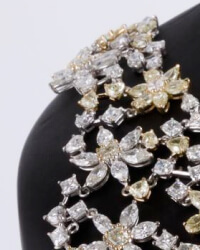
No reserve price - イヤリング - 14 kt. White gold - 2.37ct. tw. Diamond (Lab-grown)


01
day
16
hours
27
minutes
33
seconds

 | €510 | |
|---|---|---|
 | €490 | |
| €450 | |
Catawiki Buyer Protection
Your payment’s safe with us until you receive your object.View details
Trustpilot 4.4 | 146211 reviews
Rated Excellent on Trustpilot.
These 14-carat white-gold earrings feature 24 lab-grown, round brilliant-cut diamonds weighing 2.37 ct in total, graded D–E colour and VVS–VS clarity, with IGI report 17J4377526.
AI-assisted summary
Description from the seller
!! 予約なしの最低落札価格 !!
~~ EUのバイヤーは税金や関税を支払う必要がないことにご注意ください。 ~~
総カラット重量: 2.37 ct (24個のダイヤ)
総重量: 2.18 g
金属タイプ: 14 kt. ホワイトゴールド(検証済み・試験済み)
イヤリングのサイズ: 35mm
主石グレーディング結果:
~~~~~~~~~~~~~
石の本数: 24
カラット: 2.37 ct (合計)
カラー: D - E
クラリティ: VVS - VS
証明書番号: 17J4377526
~ もしご入札の内容を十分に把握していない場合や、ロットを確認後にグレーディング基準について異議がある場合は、入札をお控えください。
~ ジュエリーはIGIによってグレードされ、常に原本の証明書が付属します。
~ すべての発送はDHL/Mikropakket/FedEx/DPDの最も信頼できる配送会社によって保険付き・追跡されます。
~ 落札者がキャンセル・取り消しを決定した場合、発送費用全額と出品者の輸入関税の返戻は落札者の責任となりますのでご注意ください。
~ 有効な欧州VAT番号をお持ちの場合は、私書箱宛てのプライベートメッセージでお知らせください。請求書に記載できるようにします。
このリストにはAIビジュアライゼーションが含まれています。実物の状態については、元の写真をご参照ください。
Seller's Story
SYVIは家族経営の企業で、高品質なラボグロウンダイヤモンドと上質なジュエリーの主要輸出業者です。伝統と革新を結びつけ、現代の意識ある消費者のニーズに応えます。
ダイヤモンド業界に深く根ざしつつ、私たちはラボグロウン技術を採用し、美しさや品質を損なうことなく倫理的に生産された認証済みダイヤモンドを提供します。
SYVIでは「Grown to be worn」を信条とし、すべての作品に持続可能な輝きを生み出します。私たちは卓越したカスタマーサービスを、きめ細かな対応で提供することを誇りに思います。すべてのクライアントには専任のアカウントマネージャーが割り当てられ、シームレスなサポート、迅速な連絡、そして効率的な注文処理を実現します――通常は48時間以内です。
ファインジュエリーの未来と共に進化する企業として、卓越した品質、現代の職人技、信頼できるサービスをお届けします。
SYVIとともにラボグロウンダイヤモンドの輝きを体験してください。まずはお気軽にお問い合わせください。
Translated by Google Translate!! 予約なしの最低落札価格 !!
~~ EUのバイヤーは税金や関税を支払う必要がないことにご注意ください。 ~~
総カラット重量: 2.37 ct (24個のダイヤ)
総重量: 2.18 g
金属タイプ: 14 kt. ホワイトゴールド(検証済み・試験済み)
イヤリングのサイズ: 35mm
主石グレーディング結果:
~~~~~~~~~~~~~
石の本数: 24
カラット: 2.37 ct (合計)
カラー: D - E
クラリティ: VVS - VS
証明書番号: 17J4377526
~ もしご入札の内容を十分に把握していない場合や、ロットを確認後にグレーディング基準について異議がある場合は、入札をお控えください。
~ ジュエリーはIGIによってグレードされ、常に原本の証明書が付属します。
~ すべての発送はDHL/Mikropakket/FedEx/DPDの最も信頼できる配送会社によって保険付き・追跡されます。
~ 落札者がキャンセル・取り消しを決定した場合、発送費用全額と出品者の輸入関税の返戻は落札者の責任となりますのでご注意ください。
~ 有効な欧州VAT番号をお持ちの場合は、私書箱宛てのプライベートメッセージでお知らせください。請求書に記載できるようにします。
このリストにはAIビジュアライゼーションが含まれています。実物の状態については、元の写真をご参照ください。
Seller's Story
SYVIは家族経営の企業で、高品質なラボグロウンダイヤモンドと上質なジュエリーの主要輸出業者です。伝統と革新を結びつけ、現代の意識ある消費者のニーズに応えます。
ダイヤモンド業界に深く根ざしつつ、私たちはラボグロウン技術を採用し、美しさや品質を損なうことなく倫理的に生産された認証済みダイヤモンドを提供します。
SYVIでは「Grown to be worn」を信条とし、すべての作品に持続可能な輝きを生み出します。私たちは卓越したカスタマーサービスを、きめ細かな対応で提供することを誇りに思います。すべてのクライアントには専任のアカウントマネージャーが割り当てられ、シームレスなサポート、迅速な連絡、そして効率的な注文処理を実現します――通常は48時間以内です。
ファインジュエリーの未来と共に進化する企業として、卓越した品質、現代の職人技、信頼できるサービスをお届けします。
SYVIとともにラボグロウンダイヤモンドの輝きを体験してください。まずはお気軽にお問い合わせください。
Translated by Google TranslateDetails
時代
2000年以降
Total carat weight of all stones
2.37
鑑定書番号
17J4377526
メインストーンのダイヤモンドの種類
人工
鑑定書
国際宝石学会(IGI)
メインストーンのダイヤモンドカラーグレード
D(無色), E
純度
14金
ブランドジュエリー
いいえ'
Number of diamonds main stone
24
金属
ホワイトゴールド
メインストーンの総カラット重量
2.37
メインストーン
ダイヤモンド
メインストーンのダイヤモンドクラリティグレード
VS1, VS2, VVS1, VVS2
総重量
2.18 g
コンディション
新品
性別
女性
メインストーンのシェイプ
ラウンド
メインストーンのカッティングスタイル
ブリリアントカット
Disclaimer
Catawiki always aims to offer you the best possible buying experience. Our experts virtually review and select every object in line with our submission guidelines. While we strive to provide a detailed description and photographs of each jewellery object, discrepancies or inaccuracies may occur. It is your responsibility to review all of the information provided about an object, including the condition and description, before placing an order. Sellers are responsible for the information, pictures and description provided, including the quality, quantity and nature of the jewellery supplied. A small imperfection that cannot be seen in the photo but is included in the description is not a non-conformity. What are lab-grown diamonds? Lab-grown diamonds are diamonds produced by scientists using technology that recreates the conditions under which diamonds form deep in the earth. A lab-grown diamond is chemically, physically, and optically identical to diamonds that formed naturally - the only factor that makes them different from a natural diamond is that they originate from a lab. For that reason, lab-grown diamonds cannot be considered ‘rare’ or ‘unique’ and as such they represent a more affordable option when compared to natural diamonds and are valued at a considerably lower price per carat. Due to their availability and evolving market dynamics, lab-grown diamonds may not retain value over time and typically do not carry much resale value. A Laboratory Report is not a guarantee, valuation or appraisal regarding the articles described therein. A Laboratory Report contains only the characteristics of an article described after it has been graded, tested, examined, and analysed using the techniques and equipment used at the time of the examination from that specific Gemological Laboratory. The results of any other examination performed on the article may differ depending when, how, by whom and with which grading standard the article is examined. In addition, any changes and improvements in techniques and equipment that may have occurred which may enable the examiner to detect, among other things, the use of processes for altering the characteristics of an article which use was previously undetectable, does not automatically mean the object does not conform to its description.
Catawiki always aims to offer you the best possible buying experience. Our experts virtually review and select every object in line with our submission guidelines. While we strive to provide a detailed description and photographs of each jewellery object, discrepancies or inaccuracies may occur. It is your responsibility to review all of the information provided about an object, including the condition and description, before placing an order. Sellers are responsible for the information, pictures and description provided, including the quality, quantity and nature of the jewellery supplied. A small imperfection that cannot be seen in the photo but is included in the description is not a non-conformity. What are lab-grown diamonds? Lab-grown diamonds are diamonds produced by scientists using technology that recreates the conditions under which diamonds form deep in the earth. A lab-grown diamond is chemically, physically, and optically identical to diamonds that formed naturally - the only factor that makes them different from a natural diamond is that they originate from a lab. For that reason, lab-grown diamonds cannot be considered ‘rare’ or ‘unique’ and as such they represent a more affordable option when compared to natural diamonds and are valued at a considerably lower price per carat. Due to their availability and evolving market dynamics, lab-grown diamonds may not retain value over time and typically do not carry much resale value. A Laboratory Report is not a guarantee, valuation or appraisal regarding the articles described therein. A Laboratory Report contains only the characteristics of an article described after it has been graded, tested, examined, and analysed using the techniques and equipment used at the time of the examination from that specific Gemological Laboratory. The results of any other examination performed on the article may differ depending when, how, by whom and with which grading standard the article is examined. In addition, any changes and improvements in techniques and equipment that may have occurred which may enable the examiner to detect, among other things, the use of processes for altering the characteristics of an article which use was previously undetectable, does not automatically mean the object does not conform to its description.