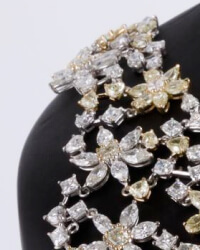
ブレスレット - 14 kt. White gold - 19.23ct. tw. Diamond (Lab-grown)


06
days
02
hours
39
minutes
49
seconds
Current bid
€ 250
Reserve price not met

 | €250 |
|---|
Catawiki Buyer Protection
Your payment’s safe with us until you receive your object.View details
Trustpilot 4.4 | 146042 reviews
Rated Excellent on Trustpilot.
A 14 kt white gold bracelet set with 20 lab-grown diamonds in mixed shapes and cuts, totalling 19.23 ct, with D–F colour and VVS2–VS1 clarity grades, accompanied by an IGI report numbered 65J3838226.
AI-assisted summary
Description from the seller
19.23カラット ラボ培養ダイヤモンド ブレスレット | D–E–F | VVS–VS | IGI認証
スタイル番号: D436
IGIレポート番号: 65J3838226
日付: 2026年9月16日
14Kホワイトゴールドの華やかなブレスレットに、エレガントなファンシー・シェイプを組み合わせた、20個のラボ培養ダイヤモンドを使用した壮麗なコレクションをあしらいました。D–E–Fカラー、VVS–VSクラリティのダイヤモンドで卓越した輝きを放ち、ラグジュアリーで洗練された印象を演出します。
ダイヤモンドの詳細
ダイヤモンドタイプ: ラボ培養ダイヤモンド
総推定ダイヤモンド重量: 19.23カラット
ダイヤモンド数: 20
ダイヤモンドの形状とカット: エメラルドカット、ペアModified Brilliant、ラウンドブリリアント、オーバルブリリアント、ペアブリリアント
カラー: D–E–F
クラリティ: VVS–VS
金属: 14Kホワイトゴールド
総ジュエリー重量: 11.84 g
研磨: Excellent
対称性: Excellent
IGIレポート番号: 65J3838226
レーザー刻印: 20個のラボ培養ダイヤモンドすべてにレーザー刻印
グレード: セット前にダイヤモンドをグレーディング
認証
ブレスレットにはIGIラボ培養ダイヤモンド宝飾品レポートが添付されており、ジュエリーとそのラボ培養ダイヤモンドを文書化しています。
配送
DHLによる安全で保険付きの世界発送。
ご注意: すべての商品はインドから出荷されます。関税、VAT、輸入税などの費用は購入者のご負担です。輸入関税や税金は商品価格には含まれていません。返品・キャンセルの場合、発送費用および発生した関税は購入者の負担となります。」
Seller's Story
Gleveraでは、革新性・希少性・卓越した輝きを求めるコレクターのために設計された、ハイエンドのラボグロウンダイヤモンドジュエリーを専門としています。
私たちの focus は、希少なファンシーカラーのラボグロウンダイヤモンドを特徴とする並外れた作品の創作に注力しており、その色味と濃淡は現在の市場では他に類を見ません。
1986年からのダイヤモンド業界での強固な基盤を持ち、私たちの専門知識は、深く根付いた職人技と現代のラグジュアリーに対する前向きな視点を融合させたものです。
すべての作品は、精密さ・信頼性・そして私たちを際立たせる独自の美学を反映するよう、綿密に設計されています。
Catawikiを通じて、最新のデザイン、卓越したカラーイノベーション、そしてラボグロウンダイヤモンドジュエリーにおける妥協のない品質を評価する世界中のコレクターとつながっています。
Translated by Google Translate19.23カラット ラボ培養ダイヤモンド ブレスレット | D–E–F | VVS–VS | IGI認証
スタイル番号: D436
IGIレポート番号: 65J3838226
日付: 2026年9月16日
14Kホワイトゴールドの華やかなブレスレットに、エレガントなファンシー・シェイプを組み合わせた、20個のラボ培養ダイヤモンドを使用した壮麗なコレクションをあしらいました。D–E–Fカラー、VVS–VSクラリティのダイヤモンドで卓越した輝きを放ち、ラグジュアリーで洗練された印象を演出します。
ダイヤモンドの詳細
ダイヤモンドタイプ: ラボ培養ダイヤモンド
総推定ダイヤモンド重量: 19.23カラット
ダイヤモンド数: 20
ダイヤモンドの形状とカット: エメラルドカット、ペアModified Brilliant、ラウンドブリリアント、オーバルブリリアント、ペアブリリアント
カラー: D–E–F
クラリティ: VVS–VS
金属: 14Kホワイトゴールド
総ジュエリー重量: 11.84 g
研磨: Excellent
対称性: Excellent
IGIレポート番号: 65J3838226
レーザー刻印: 20個のラボ培養ダイヤモンドすべてにレーザー刻印
グレード: セット前にダイヤモンドをグレーディング
認証
ブレスレットにはIGIラボ培養ダイヤモンド宝飾品レポートが添付されており、ジュエリーとそのラボ培養ダイヤモンドを文書化しています。
配送
DHLによる安全で保険付きの世界発送。
ご注意: すべての商品はインドから出荷されます。関税、VAT、輸入税などの費用は購入者のご負担です。輸入関税や税金は商品価格には含まれていません。返品・キャンセルの場合、発送費用および発生した関税は購入者の負担となります。」
Seller's Story
Gleveraでは、革新性・希少性・卓越した輝きを求めるコレクターのために設計された、ハイエンドのラボグロウンダイヤモンドジュエリーを専門としています。
私たちの focus は、希少なファンシーカラーのラボグロウンダイヤモンドを特徴とする並外れた作品の創作に注力しており、その色味と濃淡は現在の市場では他に類を見ません。
1986年からのダイヤモンド業界での強固な基盤を持ち、私たちの専門知識は、深く根付いた職人技と現代のラグジュアリーに対する前向きな視点を融合させたものです。
すべての作品は、精密さ・信頼性・そして私たちを際立たせる独自の美学を反映するよう、綿密に設計されています。
Catawikiを通じて、最新のデザイン、卓越したカラーイノベーション、そしてラボグロウンダイヤモンドジュエリーにおける妥協のない品質を評価する世界中のコレクターとつながっています。
Translated by Google TranslateDetails
時代
2000年以降
Total carat weight of all stones
19.23
鑑定書
国際宝石学会(IGI)
鑑定書番号
65J3838226
メインストーンのダイヤモンドの種類
人工
メインストーンのダイヤモンドカラーグレード
D(無色), E, F
金属
ホワイトゴールド
純度
14金
ブランドジュエリー
いいえ'
Number of diamonds main stone
20
メインストーン
ダイヤモンド
メインストーンの総カラット重量
19.23
メインストーンのダイヤモンドクラリティグレード
VS1, VVS2
総重量
11.84 g
コンディション
新品
原産国
インド
性別
女性
メインストーンのシェイプ
混合シェイプ
メインストーンのカッティングスタイル
ミックスカット
内周
16 cm
ブレスレットサイズ
極小サイズ(15~16cm)
Disclaimer
Catawiki always aims to offer you the best possible buying experience. Our experts virtually review and select every object in line with our submission guidelines. While we strive to provide a detailed description and photographs of each jewellery object, discrepancies or inaccuracies may occur. It is your responsibility to review all of the information provided about an object, including the condition and description, before placing an order. Sellers are responsible for the information, pictures and description provided, including the quality, quantity and nature of the jewellery supplied. A small imperfection that cannot be seen in the photo but is included in the description is not a non-conformity. What are lab-grown diamonds? Lab-grown diamonds are diamonds produced by scientists using technology that recreates the conditions under which diamonds form deep in the earth. A lab-grown diamond is chemically, physically, and optically identical to diamonds that formed naturally - the only factor that makes them different from a natural diamond is that they originate from a lab. For that reason, lab-grown diamonds cannot be considered ‘rare’ or ‘unique’ and as such they represent a more affordable option when compared to natural diamonds and are valued at a considerably lower price per carat. Due to their availability and evolving market dynamics, lab-grown diamonds may not retain value over time and typically do not carry much resale value. A Laboratory Report is not a guarantee, valuation or appraisal regarding the articles described therein. A Laboratory Report contains only the characteristics of an article described after it has been graded, tested, examined, and analysed using the techniques and equipment used at the time of the examination from that specific Gemological Laboratory. The results of any other examination performed on the article may differ depending when, how, by whom and with which grading standard the article is examined. In addition, any changes and improvements in techniques and equipment that may have occurred which may enable the examiner to detect, among other things, the use of processes for altering the characteristics of an article which use was previously undetectable, does not automatically mean the object does not conform to its description.
Catawiki always aims to offer you the best possible buying experience. Our experts virtually review and select every object in line with our submission guidelines. While we strive to provide a detailed description and photographs of each jewellery object, discrepancies or inaccuracies may occur. It is your responsibility to review all of the information provided about an object, including the condition and description, before placing an order. Sellers are responsible for the information, pictures and description provided, including the quality, quantity and nature of the jewellery supplied. A small imperfection that cannot be seen in the photo but is included in the description is not a non-conformity. What are lab-grown diamonds? Lab-grown diamonds are diamonds produced by scientists using technology that recreates the conditions under which diamonds form deep in the earth. A lab-grown diamond is chemically, physically, and optically identical to diamonds that formed naturally - the only factor that makes them different from a natural diamond is that they originate from a lab. For that reason, lab-grown diamonds cannot be considered ‘rare’ or ‘unique’ and as such they represent a more affordable option when compared to natural diamonds and are valued at a considerably lower price per carat. Due to their availability and evolving market dynamics, lab-grown diamonds may not retain value over time and typically do not carry much resale value. A Laboratory Report is not a guarantee, valuation or appraisal regarding the articles described therein. A Laboratory Report contains only the characteristics of an article described after it has been graded, tested, examined, and analysed using the techniques and equipment used at the time of the examination from that specific Gemological Laboratory. The results of any other examination performed on the article may differ depending when, how, by whom and with which grading standard the article is examined. In addition, any changes and improvements in techniques and equipment that may have occurred which may enable the examiner to detect, among other things, the use of processes for altering the characteristics of an article which use was previously undetectable, does not automatically mean the object does not conform to its description.