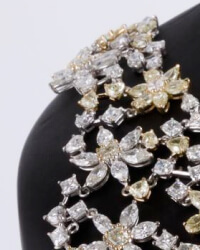
No reserve price - リング - 14金 ホワイトゴールド - 3.02ct. tw. ダイヤモンド (人工) - ダイヤモンド


01
day
20
hours
54
minutes
08
seconds

 | €63 | |
|---|---|---|
 | €60 | |
| €53 | |
Catawiki Buyer Protection
Your payment’s safe with us until you receive your object.View details
Trustpilot 4.4 | 146393 reviews
Rated Excellent on Trustpilot.
Description from the seller
## 14Kホワイトゴールド ペアシェイプダイヤモンドリング – 3.02カラット – IGI認定 – F / VS2
美しい**3.02カラットのペアブリリアントカットのラボグロウンダイヤモンド**をあしらい、きらめく脇石ダイヤモンドを添えた、エレガントな**14Kホワイトゴールドリング**です。
### ダイヤモンドの詳細
- **メインダイヤモンド:** 3.02カラットのラボグロウンダイヤモンド
- **形状:** ペアブリリアントカット
- **カラー:** F
- **クラリティ:** VS2
- **研磨・対称性:** エクセレント
- **蛍光性:** なし
- **鑑定機関:** IGI
- **IGIレポート番号:** LG804614423
### リングの詳細
- **地金:** 14Kホワイトゴールド
- **金の純度:** 585(14K)
- **総重量:** 2.90グラム
- **デザイン:** ペアシェイプのソリティアリング、ダイヤモンドをあしらったバンド
- **ホールマーク証明書:** CHC-0069763
### リングのサイズ直し
ご希望に応じて**€90**でサイズ直しを承ります。発送前にご希望のリングサイズをご確認ください。
### 発送・梱包
- **お届け予定日:** 7~18日
- **高級ジュエリー用ギフトボックスを無料でお付けします**
- 追跡可能な安全な国際配送
- 該当する場合、輸入関税およびVATは購入者負担となります。
### AIビジュアライゼーションに関する開示
本商品ページにはAIビジュアライゼーションが含まれています。実際の商品の状態については、オリジナル写真をご確認ください。
入札前に、オリジナル写真と鑑定書の詳細をご確認ください。
**ご興味をお寄せいただきありがとうございます。皆さまのご入札をお待ちしております!**
Seller's Story
AG Impex へようこそ
AG Impexは高級ラボグロウン・ダイヤモンド、プレミアムVVS、カスタム高級時計を専門とするプロフェッショナルな宝石製造業者および卸売業者です。世界有数のダイヤモンド製造拠点のひとつに拠点を置き、原材料の調達から最終的な精密カット、ポリッシュ、セッティングまでの全工程を統括しています。
仲介者を排除することで、卓越した工場直輸出のクラフトマンシップを国際市場へ直接届けします。
What We Sell
私たちが厳選したオークションには、紛争フリーで持続可能なラグジュアリーが揃います:
- ラボグロウン・ダイヤモンドジュエリー:GIA/IGI規格の精密カットダイヤモンドを上質な金属にセット。 minedダイヤモンドと同等の輝きと純度を、卓越した価値で提供。
- VVSマスターピース:最高の輝きと発火を持つ石を厳選し、従来のダイヤモンド検査法に合格するよう作られています。
- 在来の高級時計を超えるビスポーク・ラグジュアリーモデル:緻密なVVS石セッティングを施したカスタム・アイシングと精密改良を施した時計。
Our Sourcing & Expertise
直接製造業者として、私たちは第三者ディーラーに依存しません。すべての石は原石として調達され、社内の宝石鑑定士によって分析され、最新鋭の自社施設で完璧にカットされます。私たちの専門は、マイクロペイブやインヴィジブルセッティングを含む精密石留めと、厳格な品質管理の維持にあります。
Our Passion & Promise
持続可能なラグジュアリーを誰もが手にできるようにする情熱を持っています。卓越した輝きは従来の小売マークアップを伴うべきではないと信じています。
AG Impexの約束:
- 100% 透明性:正確なグレーディング、詳細な写真、正直な説明。
- 安全なグローバル配送:すべてのロットは専門的に梱包され、実時間追跡付きの完全保険付きエクスプレス国際宅急便(UPS/FedEx)で発送されます。
- 専任サポート:ロットに関する技術的な質問にも対応し、スムーズな入札・購入体験を実現します。
Translated by Google Translate## 14Kホワイトゴールド ペアシェイプダイヤモンドリング – 3.02カラット – IGI認定 – F / VS2
美しい**3.02カラットのペアブリリアントカットのラボグロウンダイヤモンド**をあしらい、きらめく脇石ダイヤモンドを添えた、エレガントな**14Kホワイトゴールドリング**です。
### ダイヤモンドの詳細
- **メインダイヤモンド:** 3.02カラットのラボグロウンダイヤモンド
- **形状:** ペアブリリアントカット
- **カラー:** F
- **クラリティ:** VS2
- **研磨・対称性:** エクセレント
- **蛍光性:** なし
- **鑑定機関:** IGI
- **IGIレポート番号:** LG804614423
### リングの詳細
- **地金:** 14Kホワイトゴールド
- **金の純度:** 585(14K)
- **総重量:** 2.90グラム
- **デザイン:** ペアシェイプのソリティアリング、ダイヤモンドをあしらったバンド
- **ホールマーク証明書:** CHC-0069763
### リングのサイズ直し
ご希望に応じて**€90**でサイズ直しを承ります。発送前にご希望のリングサイズをご確認ください。
### 発送・梱包
- **お届け予定日:** 7~18日
- **高級ジュエリー用ギフトボックスを無料でお付けします**
- 追跡可能な安全な国際配送
- 該当する場合、輸入関税およびVATは購入者負担となります。
### AIビジュアライゼーションに関する開示
本商品ページにはAIビジュアライゼーションが含まれています。実際の商品の状態については、オリジナル写真をご確認ください。
入札前に、オリジナル写真と鑑定書の詳細をご確認ください。
**ご興味をお寄せいただきありがとうございます。皆さまのご入札をお待ちしております!**
Seller's Story
AG Impex へようこそ
AG Impexは高級ラボグロウン・ダイヤモンド、プレミアムVVS、カスタム高級時計を専門とするプロフェッショナルな宝石製造業者および卸売業者です。世界有数のダイヤモンド製造拠点のひとつに拠点を置き、原材料の調達から最終的な精密カット、ポリッシュ、セッティングまでの全工程を統括しています。
仲介者を排除することで、卓越した工場直輸出のクラフトマンシップを国際市場へ直接届けします。
What We Sell
私たちが厳選したオークションには、紛争フリーで持続可能なラグジュアリーが揃います:
- ラボグロウン・ダイヤモンドジュエリー:GIA/IGI規格の精密カットダイヤモンドを上質な金属にセット。 minedダイヤモンドと同等の輝きと純度を、卓越した価値で提供。
- VVSマスターピース:最高の輝きと発火を持つ石を厳選し、従来のダイヤモンド検査法に合格するよう作られています。
- 在来の高級時計を超えるビスポーク・ラグジュアリーモデル:緻密なVVS石セッティングを施したカスタム・アイシングと精密改良を施した時計。
Our Sourcing & Expertise
直接製造業者として、私たちは第三者ディーラーに依存しません。すべての石は原石として調達され、社内の宝石鑑定士によって分析され、最新鋭の自社施設で完璧にカットされます。私たちの専門は、マイクロペイブやインヴィジブルセッティングを含む精密石留めと、厳格な品質管理の維持にあります。
Our Passion & Promise
持続可能なラグジュアリーを誰もが手にできるようにする情熱を持っています。卓越した輝きは従来の小売マークアップを伴うべきではないと信じています。
AG Impexの約束:
- 100% 透明性:正確なグレーディング、詳細な写真、正直な説明。
- 安全なグローバル配送:すべてのロットは専門的に梱包され、実時間追跡付きの完全保険付きエクスプレス国際宅急便(UPS/FedEx)で発送されます。
- 専任サポート:ロットに関する技術的な質問にも対応し、スムーズな入札・購入体験を実現します。
Translated by Google TranslateDetails
時代
2000年以降
サイドストーンのシェイプ
ラウンド
無料サイズ直し可
いいえ'
Total carat weight of all stones
3.02
鑑定書
国際宝石学会(IGI)
鑑定書番号
LG6040/4423
メインストーンのダイヤモンドの種類
人工
サイドストーンのダイヤモンドの種類
人工
メインストーンのダイヤモンドカラーグレード
F
サイドストーンのカッティングスタイル
ブリリアントカット
純度
14金
ブランドジュエリー
いいえ'
Number of diamonds surrounding stones
24
Number of diamonds main stone
1
金属
ホワイトゴールド
サイドストーンの総カラット重量
0.49
メインストーンの総カラット重量
3.02
メインストーン
ダイヤモンド
メインストーンのダイヤモンドクラリティグレード
VS2
サイドストーン
ダイヤモンド
総重量
2.9 g
コンディション
新品
原産国
不明
性別
女性
メインストーンのシェイプ
梨
メインストーンのカッティングスタイル
ブリリアントカット
リングサイズ
55(欧州)/15(イタリア)/7 ¼(アメリカ)
Disclaimer
Catawiki always aims to offer you the best possible buying experience. Our experts virtually review and select every object in line with our submission guidelines. While we strive to provide a detailed description and photographs of each jewellery object, discrepancies or inaccuracies may occur. It is your responsibility to review all of the information provided about an object, including the condition and description, before placing an order. Sellers are responsible for the information, pictures and description provided, including the quality, quantity and nature of the jewellery supplied. A small imperfection that cannot be seen in the photo but is included in the description is not a non-conformity. What are lab-grown diamonds? Lab-grown diamonds are diamonds produced by scientists using technology that recreates the conditions under which diamonds form deep in the earth. A lab-grown diamond is chemically, physically, and optically identical to diamonds that formed naturally - the only factor that makes them different from a natural diamond is that they originate from a lab. For that reason, lab-grown diamonds cannot be considered ‘rare’ or ‘unique’ and as such they represent a more affordable option when compared to natural diamonds and are valued at a considerably lower price per carat. Due to their availability and evolving market dynamics, lab-grown diamonds may not retain value over time and typically do not carry much resale value. A Laboratory Report is not a guarantee, valuation or appraisal regarding the articles described therein. A Laboratory Report contains only the characteristics of an article described after it has been graded, tested, examined, and analysed using the techniques and equipment used at the time of the examination from that specific Gemological Laboratory. The results of any other examination performed on the article may differ depending when, how, by whom and with which grading standard the article is examined. In addition, any changes and improvements in techniques and equipment that may have occurred which may enable the examiner to detect, among other things, the use of processes for altering the characteristics of an article which use was previously undetectable, does not automatically mean the object does not conform to its description.
Catawiki always aims to offer you the best possible buying experience. Our experts virtually review and select every object in line with our submission guidelines. While we strive to provide a detailed description and photographs of each jewellery object, discrepancies or inaccuracies may occur. It is your responsibility to review all of the information provided about an object, including the condition and description, before placing an order. Sellers are responsible for the information, pictures and description provided, including the quality, quantity and nature of the jewellery supplied. A small imperfection that cannot be seen in the photo but is included in the description is not a non-conformity. What are lab-grown diamonds? Lab-grown diamonds are diamonds produced by scientists using technology that recreates the conditions under which diamonds form deep in the earth. A lab-grown diamond is chemically, physically, and optically identical to diamonds that formed naturally - the only factor that makes them different from a natural diamond is that they originate from a lab. For that reason, lab-grown diamonds cannot be considered ‘rare’ or ‘unique’ and as such they represent a more affordable option when compared to natural diamonds and are valued at a considerably lower price per carat. Due to their availability and evolving market dynamics, lab-grown diamonds may not retain value over time and typically do not carry much resale value. A Laboratory Report is not a guarantee, valuation or appraisal regarding the articles described therein. A Laboratory Report contains only the characteristics of an article described after it has been graded, tested, examined, and analysed using the techniques and equipment used at the time of the examination from that specific Gemological Laboratory. The results of any other examination performed on the article may differ depending when, how, by whom and with which grading standard the article is examined. In addition, any changes and improvements in techniques and equipment that may have occurred which may enable the examiner to detect, among other things, the use of processes for altering the characteristics of an article which use was previously undetectable, does not automatically mean the object does not conform to its description.