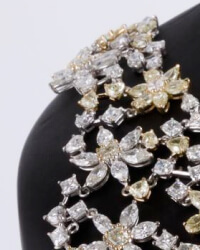
リング - 18金 ホワイトゴールド - 16.07ct. tw. ダイヤモンド (人工) - ダイヤモンド


06
days
00
hours
24
minutes
43
seconds
Current bid
€ 4,500
Reserve price not met

 | €4,500 | |
|---|---|---|
 | €1,111 |
Catawiki Buyer Protection
Your payment’s safe with us until you receive your object.View details
Trustpilot 4.4 | 146393 reviews
Rated Excellent on Trustpilot.
This new ring is made of 18-carat white gold and features a 15.08-carat round brilliant-cut, lab-grown diamond graded F and VS1, surrounded by ten lab-grown brilliant-cut diamonds weighing 0.99 carat in total, with an IGI report.
AI-assisted summary
Description from the seller
「送料無料」
彼女への完璧な贈り物
18Kホワイトゴールド
***この特別オークションをお見逃しなく
15.08カラットの大粒ダイヤモンドをあしらった、素晴らしいクラシックリング
最高ランクのカラーグレードF
上質な18Kホワイトゴールドリング
リングサイズ:EU 54/IT 14/US 6.75
サイズ直しについて
* EUサイズで最大3サイズまで、無料でサイズ直しを承ります。
* EUサイズで3サイズを超えるサイズ直しには、調整内容に応じて€50~€100の追加料金がかかります。
IGIレポート番号:LG838610594
合計カラット重量:16.07
形状:ラウンドブリリアントカット
石の重量:15.08カラット
カラー:F
クラリティ:VS1
カット:Excellent
ポリッシュ:Excellent
シンメトリー:Excellent
蛍光性:なし
周囲の石:0.99(10石)
すべての商品はDHLで、しっかりと梱包し、目立たないように発送します。
リング総重量:7.89グラム
18Kホワイトゴールド
IGI鑑定書付きでお届けします
安全・安心
ラボグロウンダイヤモンドとは?
ラボグロウンダイヤモンドとは、地中深くでダイヤモンドが形成される条件を再現する技術を用いて、科学者が作り出したダイヤモンドです。化学的・物理的・光学的性質は天然ダイヤモンドと同一で、違いは研究施設で作られるという点だけです。そのため、ラボグロウンダイヤモンドは「希少」または「唯一無二」とはみなされず、天然ダイヤモンドに比べてより手頃な選択肢となり、1カラットあたりの価格も大幅に低くなっています。
Seller's Story
Shri Hari Gems and Jewels specializes in fine quality Diamonds in lab grown diamond jewelry, all delivered at competitive prices and with outstanding customer service.
Details
サイドストーンのシェイプ
ラウンド
無料サイズ直し可
はい'
Total carat weight of all stones
16.07
鑑定書番号
LG838610594
メインストーンのダイヤモンドの種類
人工
サイドストーンのダイヤモンドの種類
人工
メインストーンのダイヤモンドカラーグレード
F
鑑定書
国際宝石学会(IGI)
時代
2000年以降
サイドストーンのカッティングスタイル
ブリリアントカット
金属
ホワイトゴールド
純度
18金
ブランドジュエリー
いいえ'
Number of diamonds surrounding stones
10
Number of diamonds main stone
1
メインストーン
ダイヤモンド
サイドストーンの総カラット重量
0.99
メインストーンの総カラット重量
15.08
サイドストーン
ダイヤモンド
総重量
7.89 g
メインストーンのダイヤモンドクラリティグレード
VS1
コンディション
新品
性別
女性
メインストーンのシェイプ
ラウンド
メインストーンのカッティングスタイル
ブリリアントカット
リングサイズ
54(欧州)/14(イタリア)/6 ¾(アメリカ)
Sold by
Disclaimer
Catawiki always aims to offer you the best possible buying experience. Our experts virtually review and select every object in line with our submission guidelines. While we strive to provide a detailed description and photographs of each jewellery object, discrepancies or inaccuracies may occur. It is your responsibility to review all of the information provided about an object, including the condition and description, before placing an order. Sellers are responsible for the information, pictures and description provided, including the quality, quantity and nature of the jewellery supplied. A small imperfection that cannot be seen in the photo but is included in the description is not a non-conformity. What are lab-grown diamonds? Lab-grown diamonds are diamonds produced by scientists using technology that recreates the conditions under which diamonds form deep in the earth. A lab-grown diamond is chemically, physically, and optically identical to diamonds that formed naturally - the only factor that makes them different from a natural diamond is that they originate from a lab. For that reason, lab-grown diamonds cannot be considered ‘rare’ or ‘unique’ and as such they represent a more affordable option when compared to natural diamonds and are valued at a considerably lower price per carat. Due to their availability and evolving market dynamics, lab-grown diamonds may not retain value over time and typically do not carry much resale value. A Laboratory Report is not a guarantee, valuation or appraisal regarding the articles described therein. A Laboratory Report contains only the characteristics of an article described after it has been graded, tested, examined, and analysed using the techniques and equipment used at the time of the examination from that specific Gemological Laboratory. The results of any other examination performed on the article may differ depending when, how, by whom and with which grading standard the article is examined. In addition, any changes and improvements in techniques and equipment that may have occurred which may enable the examiner to detect, among other things, the use of processes for altering the characteristics of an article which use was previously undetectable, does not automatically mean the object does not conform to its description.
Catawiki always aims to offer you the best possible buying experience. Our experts virtually review and select every object in line with our submission guidelines. While we strive to provide a detailed description and photographs of each jewellery object, discrepancies or inaccuracies may occur. It is your responsibility to review all of the information provided about an object, including the condition and description, before placing an order. Sellers are responsible for the information, pictures and description provided, including the quality, quantity and nature of the jewellery supplied. A small imperfection that cannot be seen in the photo but is included in the description is not a non-conformity. What are lab-grown diamonds? Lab-grown diamonds are diamonds produced by scientists using technology that recreates the conditions under which diamonds form deep in the earth. A lab-grown diamond is chemically, physically, and optically identical to diamonds that formed naturally - the only factor that makes them different from a natural diamond is that they originate from a lab. For that reason, lab-grown diamonds cannot be considered ‘rare’ or ‘unique’ and as such they represent a more affordable option when compared to natural diamonds and are valued at a considerably lower price per carat. Due to their availability and evolving market dynamics, lab-grown diamonds may not retain value over time and typically do not carry much resale value. A Laboratory Report is not a guarantee, valuation or appraisal regarding the articles described therein. A Laboratory Report contains only the characteristics of an article described after it has been graded, tested, examined, and analysed using the techniques and equipment used at the time of the examination from that specific Gemological Laboratory. The results of any other examination performed on the article may differ depending when, how, by whom and with which grading standard the article is examined. In addition, any changes and improvements in techniques and equipment that may have occurred which may enable the examiner to detect, among other things, the use of processes for altering the characteristics of an article which use was previously undetectable, does not automatically mean the object does not conform to its description.