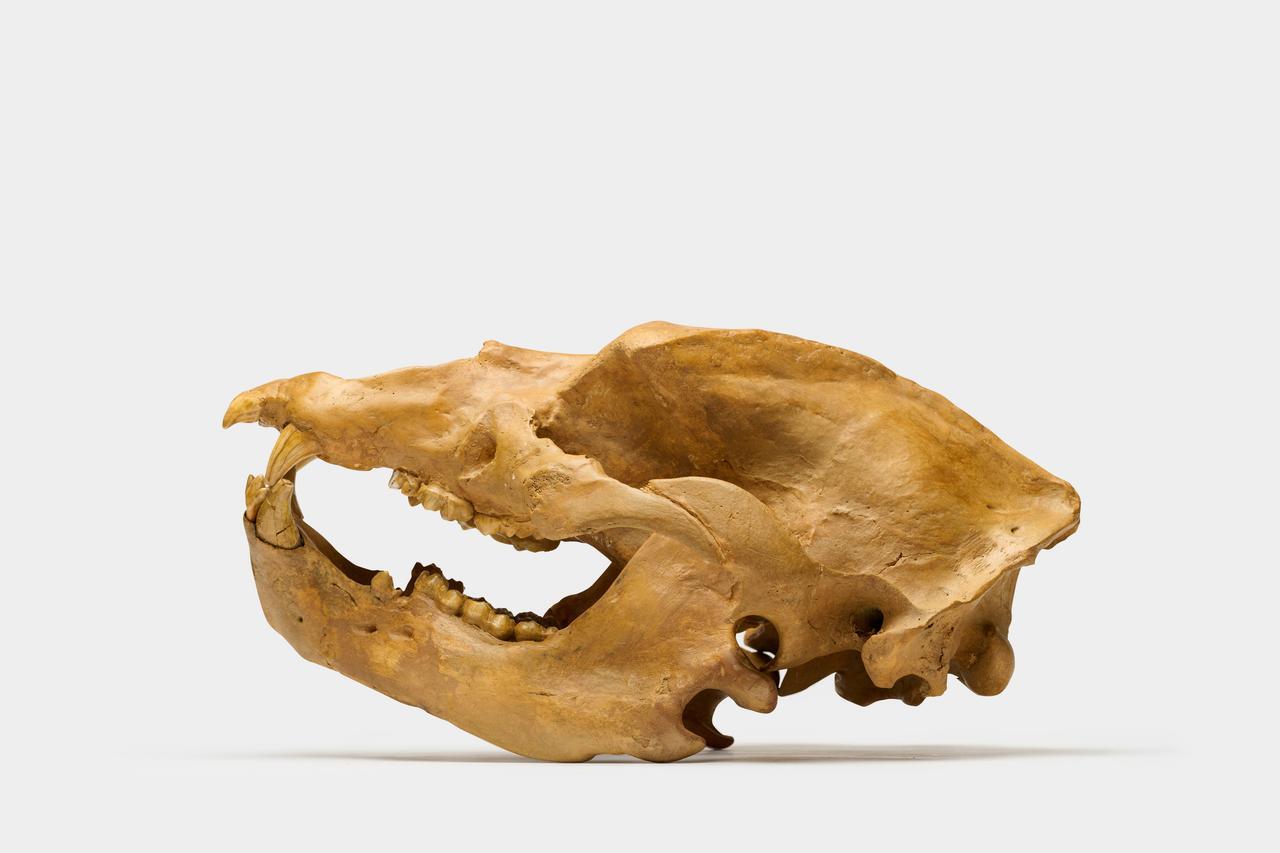
螃蟹 - 骨骼化石 - 80 mm - 140 mm (没有保留价)


05
天
14
小时
34
分钟
11
秒

没有出价记录
Catawiki买家保障
在您收到物品之前,您的付款将在我们这里受到安全保管。查看详细信息
Trustpilot 4.4分 | 127726条评论
在Trustpilot上被评为优秀。
Potamon sp. 化石淡水蟹标本,来自土耳其西南部的 Denizli 岭盆地,更新世(约40万年前),作为三维自然外部铸型保存在Travertine中,重量795 g,总岩石尺寸为140 × 80 × 35 mm,蟹体尺寸为45 × 30 × 17 mm。
AI辅助摘要
卖家的描述
Rare example.
SPECIES
Potamon sp.
AGE
Pleistocene (400.000+ years)
LOCATION
Denizli Basin, Southwest Turkey
FORMATION
Travertine Deposits
WEIGHT 795 Gr.
SIZE
Crab 45 mm * 30 mm * 17 mm
Rock 140 mm x 80 mm x 35 mm
This is a spectacular fossil freshwater crab (Potamon sp) preserved in travertine from the Denizli Basin in Southwest Turkey. The crab itself is 4.5 cm wide and exhibits amazingly detailed, 3d preservation. It's totally coated and preserved as a three-dimensional outer cast within a natural cavity of a white travertine matrix. It is covered by an inorganic film of calcium carbonate.
Travertine is a type of limestone that forms around mineral springs. It is often quarried for use as a building material, and that is how these crabs were discovered, during the quarrying of the stone slabs. The travertine deposits in the Denizli Basin are Pleistocene in age, having been formed within the past 400,000 years.
Rare example.
SPECIES
Potamon sp.
AGE
Pleistocene (400.000+ years)
LOCATION
Denizli Basin, Southwest Turkey
FORMATION
Travertine Deposits
WEIGHT 795 Gr.
SIZE
Crab 45 mm * 30 mm * 17 mm
Rock 140 mm x 80 mm x 35 mm
This is a spectacular fossil freshwater crab (Potamon sp) preserved in travertine from the Denizli Basin in Southwest Turkey. The crab itself is 4.5 cm wide and exhibits amazingly detailed, 3d preservation. It's totally coated and preserved as a three-dimensional outer cast within a natural cavity of a white travertine matrix. It is covered by an inorganic film of calcium carbonate.
Travertine is a type of limestone that forms around mineral springs. It is often quarried for use as a building material, and that is how these crabs were discovered, during the quarrying of the stone slabs. The travertine deposits in the Denizli Basin are Pleistocene in age, having been formed within the past 400,000 years.
详细资料
标本
螃蟹
国家
土耳其
地质时期
第四纪-更新世 (258-1.17万年)
状态
自然的
重量
795 g
高度
80 mm
宽度
140 mm
深度
35 mm