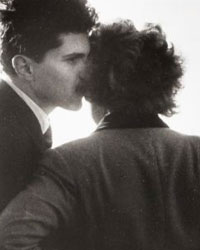
Matthew Houston - Maria - unique 10x8" Polaroid


05
天
21
小时
35
分钟
31
秒

没有出价记录
Catawiki买家保障
在您收到物品之前,您的付款将在我们这里受到安全保管。查看详细信息
Trustpilot 4.4分 | 127823条评论
在Trustpilot上被评为优秀。
卖家的描述
独特的 10x8 英寸 Polaroid
签名在背面。
随附的来历凭证纸也有签名并盖有工作室印章。
极为完好
未装裱 - 放在博物馆用板上并套在 archival mylar sleeve 中
放在档案盒中
以挂号邮件平放运输,提供坚固保护。
Not dated however other examples and interviews show these Polaroids were started in the 1990s and continued into the early 2000s.
The Polaroid material used for these photographs is the paper based first generation Polaroid known as 'peel-apart' Polaroid and available in 10x8", 5x4" and 3x4" format until the early 2000s when it was discontinued. Not to be confused with the 'integral' material now being manufactured by Polaroid Originals.
Matthew Houston (London 1961) best known for the Catalogue of Chaos series - an in depth exploration of the materials and processes of photography.
This is one of a series of Polaroids and silver gelatine prints begun in the late 1990s.
"Matthew Houston studied printmaking at the Central School of Art, London, and later earned a First Class degree in photography from the London College of Printing. He began photographing models, actors, and dancers on a small stage he built while running a cabaret on a sailing ship. This stage was the setting for many of his large-format photographs and Polaroids in the late 1990s. Houston notes that the stage itself suggested the inclusion of a person and acted as a pedestal for his subjects. His photographs are known for their intimate often nostalgic qualities and are the result of an "open experiment" with his subjects. He focuses on finding common ground with the model and capturing what happens naturally. His photographs sometimes include subtle references to mythological figures and paintings. This is not meant to be a fixed theme, but a "gentle reference" that emerged from the stage-like setting of his early portraits."*
*From exhibition catalogue, London 2014
"The little stage I built was part of the studio and I began to make photographs of performers, friends, actors and models. Using Polaroid film gave the material a chance to be part of the picture as well. Polaroid is known for all kinds of quirks and accidents that are a reminder of process. As with other photographs I've made I feel it important that material and process are still included, still evident.”**
**From interview - Saatch Art
An excerpt from an exhibition review I discovered - BIP off, Liege - by Philippe Herbert
"Parcours atypique : ancien propriétaire d’un cabaret, il photographie depuis l’âge de 7 ans mais il a commencé cette série à 38 ans. Sur une scène improvisée, il photographie au Polaroïd grand format des femmes dénudées avec beaucoup de tendresse. Il renouvelle le genre du nu."
独特的 10x8 英寸 Polaroid
签名在背面。
随附的来历凭证纸也有签名并盖有工作室印章。
极为完好
未装裱 - 放在博物馆用板上并套在 archival mylar sleeve 中
放在档案盒中
以挂号邮件平放运输,提供坚固保护。
Not dated however other examples and interviews show these Polaroids were started in the 1990s and continued into the early 2000s.
The Polaroid material used for these photographs is the paper based first generation Polaroid known as 'peel-apart' Polaroid and available in 10x8", 5x4" and 3x4" format until the early 2000s when it was discontinued. Not to be confused with the 'integral' material now being manufactured by Polaroid Originals.
Matthew Houston (London 1961) best known for the Catalogue of Chaos series - an in depth exploration of the materials and processes of photography.
This is one of a series of Polaroids and silver gelatine prints begun in the late 1990s.
"Matthew Houston studied printmaking at the Central School of Art, London, and later earned a First Class degree in photography from the London College of Printing. He began photographing models, actors, and dancers on a small stage he built while running a cabaret on a sailing ship. This stage was the setting for many of his large-format photographs and Polaroids in the late 1990s. Houston notes that the stage itself suggested the inclusion of a person and acted as a pedestal for his subjects. His photographs are known for their intimate often nostalgic qualities and are the result of an "open experiment" with his subjects. He focuses on finding common ground with the model and capturing what happens naturally. His photographs sometimes include subtle references to mythological figures and paintings. This is not meant to be a fixed theme, but a "gentle reference" that emerged from the stage-like setting of his early portraits."*
*From exhibition catalogue, London 2014
"The little stage I built was part of the studio and I began to make photographs of performers, friends, actors and models. Using Polaroid film gave the material a chance to be part of the picture as well. Polaroid is known for all kinds of quirks and accidents that are a reminder of process. As with other photographs I've made I feel it important that material and process are still included, still evident.”**
**From interview - Saatch Art
An excerpt from an exhibition review I discovered - BIP off, Liege - by Philippe Herbert
"Parcours atypique : ancien propriétaire d’un cabaret, il photographie depuis l’âge de 7 ans mais il a commencé cette série à 38 ans. Sur une scène improvisée, il photographie au Polaroïd grand format des femmes dénudées avec beaucoup de tendresse. Il renouvelle le genre du nu."
详细资料
艺术家
Matthew Houston
出售者
所有者或经销商
作品名称
Maria - unique 10x8" Polaroid
状态
特别精美
技术
拍立得
高度
27,5 cm
版本
Unique
宽度
21,3 cm
签名
Hand signed
类别
裸体