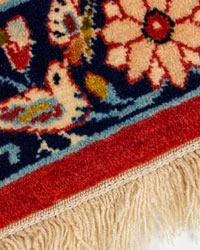
Arraiolos - 地毯 - 395 cm - 250 cm - Arraiolos 地毯,葡萄牙


05
天
08
小时
25
分钟
35
秒

没有出价记录
Catawiki买家保障
在您收到物品之前,您的付款将在我们这里受到安全保管。查看详细信息
Trustpilot 4.4分 | 128070条评论
在Trustpilot上被评为优秀。
卖家的描述
Aubussan style, needlepoint technique, virgin wool.
The carpet/rug was in use, but no significant signs of use.
Arraiolos carpets (Tapetes de Arraiolos) originated in the town of Arraiolos, Portugal, in the 16th–17th century, influenced by Moorish and Persian carpet designs. Unlike woven rugs, they are hand-embroidered in wool using a distinctive cross-stitch on a linen or cotton canvas.
For centuries, these carpets were traditionally made at home by local women, often for family use or small local sale. Because they were domestic, artisanal works, they typically did not carry labels, signatures, or maker’s marks. Each carpet was valued for its craftsmanship and pattern rather than for a branded origin. As a result, the absence of a sticker or tag is normal and historically consistent, especially for older or privately made pieces. The same applies to this carpet, making us believe that it was completed by a local woman in the beginning/middle of the 20th century.
Only in the 20th century, when workshops, cooperatives, and commercial production became more common, did labels, stamps, or certificates start to appear.
Aubussan style, needlepoint technique, virgin wool.
The carpet/rug was in use, but no significant signs of use.
Arraiolos carpets (Tapetes de Arraiolos) originated in the town of Arraiolos, Portugal, in the 16th–17th century, influenced by Moorish and Persian carpet designs. Unlike woven rugs, they are hand-embroidered in wool using a distinctive cross-stitch on a linen or cotton canvas.
For centuries, these carpets were traditionally made at home by local women, often for family use or small local sale. Because they were domestic, artisanal works, they typically did not carry labels, signatures, or maker’s marks. Each carpet was valued for its craftsmanship and pattern rather than for a branded origin. As a result, the absence of a sticker or tag is normal and historically consistent, especially for older or privately made pieces. The same applies to this carpet, making us believe that it was completed by a local woman in the beginning/middle of the 20th century.
Only in the 20th century, when workshops, cooperatives, and commercial production became more common, did labels, stamps, or certificates start to appear.
详细资料
时代
1900-2000
制造商/品牌
Arraiolos
特定原产地
Arraiolos
标题附加信息
Arraiolos rug, Portugal
物品件数
1
颜色
米色, 蓝色, 黄色
长度
395 cm
宽度
250 cm
材质
毛织毛地毯
国家
葡萄牙
状态
状态极佳
经过专业清洁
不是
制作年代
20世纪中期