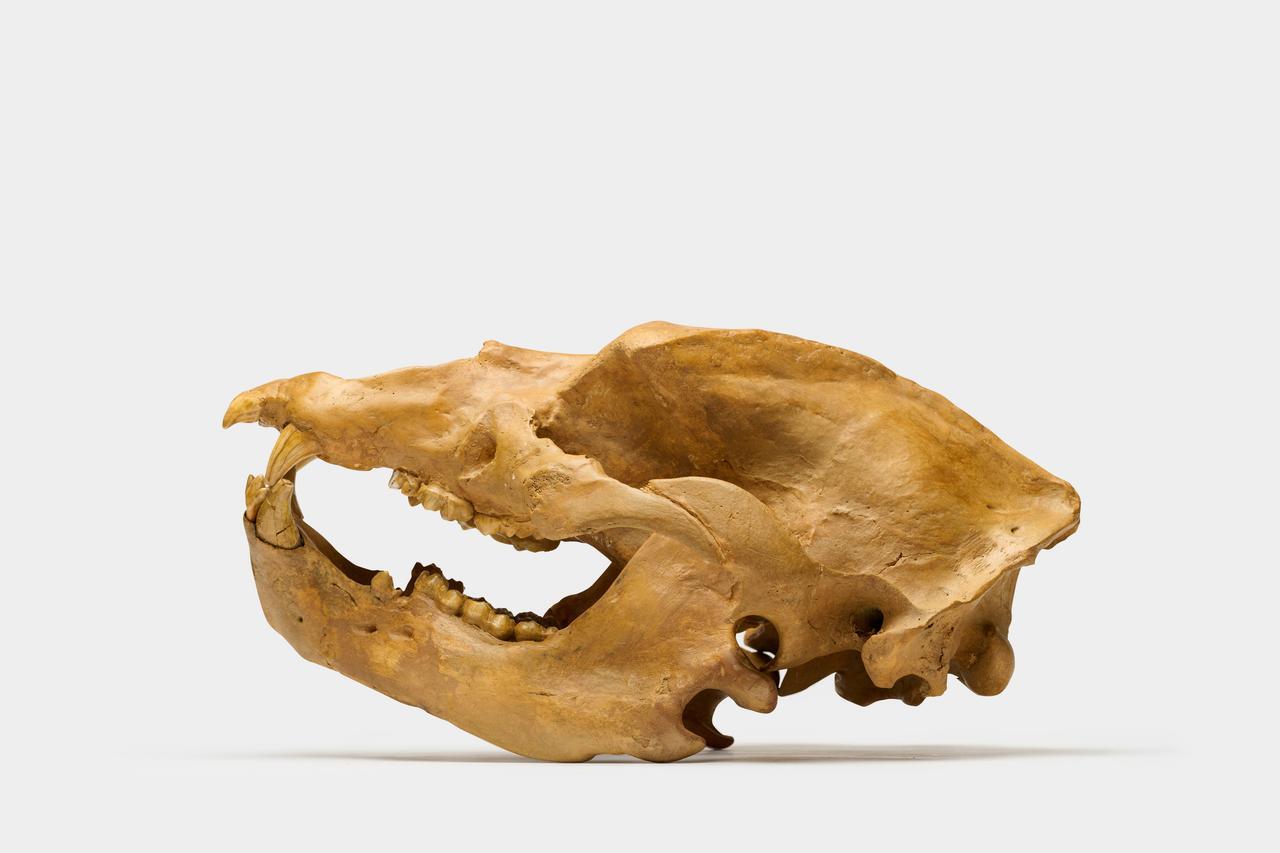
沧龙 - 牙齿化石 - 45 mm (没有保留价)


04
天
07
小时
16
分钟
13
秒

没有出价记录
Catawiki买家保障
在您收到物品之前,您的付款将在我们这里受到安全保管。查看详细信息
Trustpilot 4.4分 | 128070条评论
在Trustpilot上被评为优秀。
来自摩洛哥Khouribga的Mosasaurus hoffmannii牙齿,晚白垩纪(约7000万–6600万年前),自然状态,高度45毫米,正品/原件。
AI辅助摘要
卖家的描述
Impressive Mosasaurus Tooth – Late Cretaceous (70–66 Million Years Old) – Khouribga, Morocco
A tangible relic from the age of dinosaurs.
This exceptionally well-preserved Mosasaurus tooth originates from the world-famous phosphate deposits of Khouribga, Morocco, and dates to the Late Cretaceous (Maastrichtian, approx. 70–66 million years ago) — the final chapter before the mass extinction that ended the reign of the dinosaurs.
The Late Cretaceous – A World Before the End
During the Late Cretaceous, vast parts of today’s continents were covered by warm, shallow seas. The climate was tropical, sea levels were high, and marine ecosystems flourished with extraordinary diversity.
Only a few million years after this tooth belonged to a living predator, the catastrophic asteroid impact marked the end of the Cretaceous period. This fossil is therefore a direct witness to a lost world — existing just before one of the most dramatic turning points in Earth’s history.
Mosasaurus – Apex Predator of the Ancient Seas
Mosasaurus hoffmannii was not a dinosaur, but a gigantic marine lizard related to modern monitor lizards. Some species reached lengths of up to 15–18 meters (50–60 feet). With powerful jaws lined with sharp, conical teeth, it ruled the oceans as an apex predator.
Its teeth were perfectly adapted to:
- Firmly gripping prey
- Piercing fish and marine reptiles
- Crushing shells and armored animals
The offered tooth is in excellent condition, displaying:
- Beautifully preserved enamel
- Well-defined natural ridges
- Strong, elegant shape
- Authentic fossil coloration
A striking and authentic specimen combining scientific significance with strong display appeal.
Provenance – Khouribga, Morocco
The region of Khouribga is globally renowned for its rich Late Cretaceous phosphate beds. These deposits are among the most important marine fossil sites in the world. For decades, remarkable fossils of mosasaurs, sharks, sea turtles, and other marine reptiles have been discovered here.
The unique geological conditions of the phosphate layers allow for outstanding fossil preservation, making specimens from this region highly desirable among collectors worldwide.
Why This Specimen Stands Out
- Genuine Late Cretaceous fossil (70–66 million years old)
- From one of the world’s most famous fossil localities
- Excellent state of preservation
- Strong aesthetic and display value
- A true piece of natural history
This is not just a fossil.
It is a remnant of a predator that once dominated prehistoric oceans.
A powerful conversation piece.
A collector’s highlight.
A 70-million-year-old fragment of Earth’s ancient seas — now within reach.
Impressive Mosasaurus Tooth – Late Cretaceous (70–66 Million Years Old) – Khouribga, Morocco
A tangible relic from the age of dinosaurs.
This exceptionally well-preserved Mosasaurus tooth originates from the world-famous phosphate deposits of Khouribga, Morocco, and dates to the Late Cretaceous (Maastrichtian, approx. 70–66 million years ago) — the final chapter before the mass extinction that ended the reign of the dinosaurs.
The Late Cretaceous – A World Before the End
During the Late Cretaceous, vast parts of today’s continents were covered by warm, shallow seas. The climate was tropical, sea levels were high, and marine ecosystems flourished with extraordinary diversity.
Only a few million years after this tooth belonged to a living predator, the catastrophic asteroid impact marked the end of the Cretaceous period. This fossil is therefore a direct witness to a lost world — existing just before one of the most dramatic turning points in Earth’s history.
Mosasaurus – Apex Predator of the Ancient Seas
Mosasaurus hoffmannii was not a dinosaur, but a gigantic marine lizard related to modern monitor lizards. Some species reached lengths of up to 15–18 meters (50–60 feet). With powerful jaws lined with sharp, conical teeth, it ruled the oceans as an apex predator.
Its teeth were perfectly adapted to:
- Firmly gripping prey
- Piercing fish and marine reptiles
- Crushing shells and armored animals
The offered tooth is in excellent condition, displaying:
- Beautifully preserved enamel
- Well-defined natural ridges
- Strong, elegant shape
- Authentic fossil coloration
A striking and authentic specimen combining scientific significance with strong display appeal.
Provenance – Khouribga, Morocco
The region of Khouribga is globally renowned for its rich Late Cretaceous phosphate beds. These deposits are among the most important marine fossil sites in the world. For decades, remarkable fossils of mosasaurs, sharks, sea turtles, and other marine reptiles have been discovered here.
The unique geological conditions of the phosphate layers allow for outstanding fossil preservation, making specimens from this region highly desirable among collectors worldwide.
Why This Specimen Stands Out
- Genuine Late Cretaceous fossil (70–66 million years old)
- From one of the world’s most famous fossil localities
- Excellent state of preservation
- Strong aesthetic and display value
- A true piece of natural history
This is not just a fossil.
It is a remnant of a predator that once dominated prehistoric oceans.
A powerful conversation piece.
A collector’s highlight.
A 70-million-year-old fragment of Earth’s ancient seas — now within reach.
详细资料
物品件数
1
标本
沧龙
国家
摩洛哥
地质时期
白垩纪 (1.45-0.66 亿年)
状态
自然的
高度
45 mm
真伪
原始的/正式的