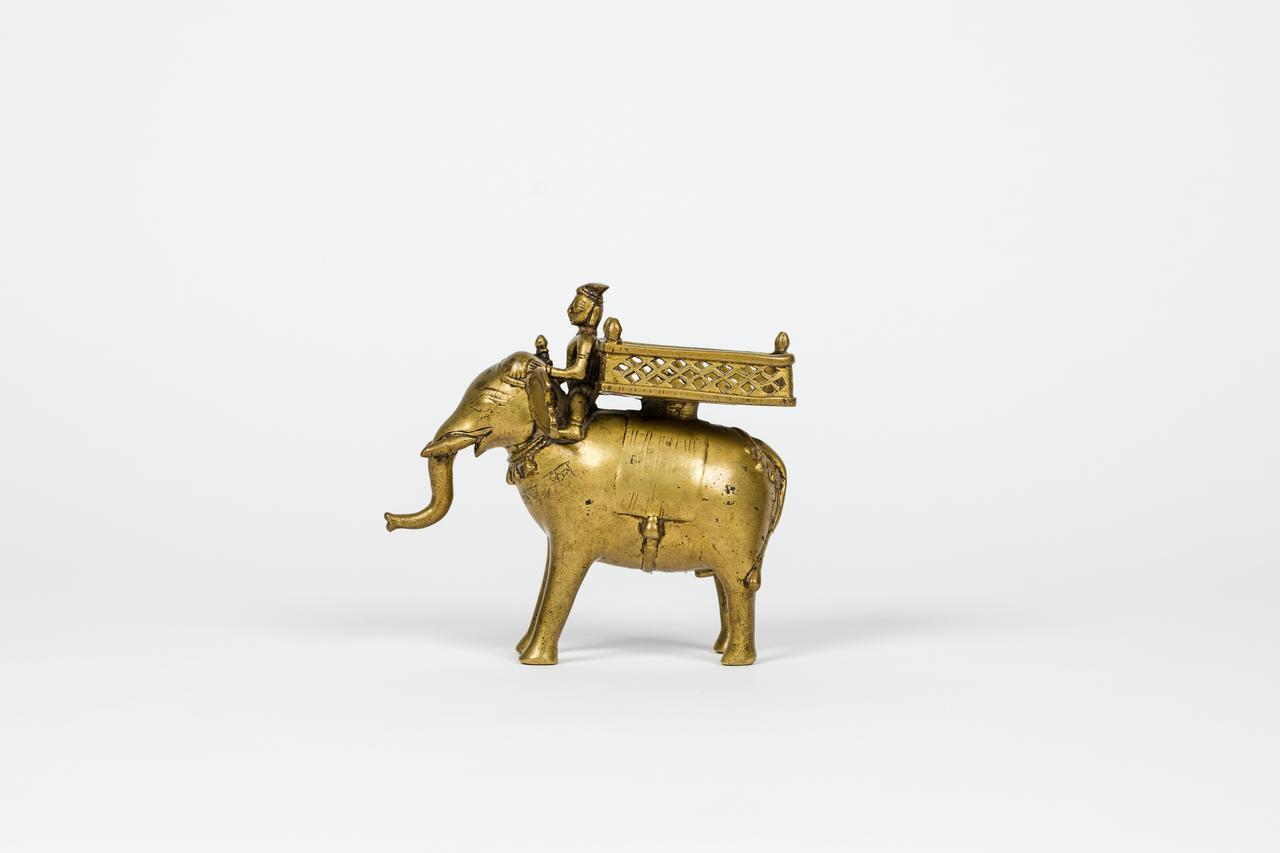
博物馆级品相——18世纪/19世纪奥斯曼治疗碗 - 黄铜 - 土耳其 - 奥斯曼帝国早期


01
天
22
小时
30
分钟
31
秒

17名其他人正在关注此物品
 竞买人 7884 竞买人 7884 | €50 |
|---|
Catawiki买家保障
在您收到物品之前,您的付款将在我们这里受到安全保管。查看详细信息
Trustpilot 4.4分 | 128856条评论
在Trustpilot上被评为优秀。
博物馆级别 – 18/19世纪奥斯曼治疗碗,土耳其黄铜制,初期奥斯曼时期,直径14.7厘米,深度4.5厘米,具原始归属与私人收藏来源。
AI辅助摘要
卖家的描述
We present to you a MUSEUM-QUALITY – 18th/19th CENTURY OTTOMAN HEALING BOWL from Türkiye. It is in perfect condition for display.
This piece comes from a high-end collection.
A prime example of Ottoman folk beliefs, medical history, and metalwork, this healing bowl is a collector's item due to its high craftsmanship and profound spiritual symbolism.
Physical Characteristics:
Period: Late 18th – Early 19th century Ottoman Period.
Material: Brass (forged and engraved technique).
Diameter: 14.7 cm.
Form: Traditional concave form, with a central "navel" (gobara), an outward-facing rim, and a body entirely decorated with hand-crafted inscriptions.
Detailed Explanation of the Inscriptions and Symbols:
This bowl is not just a water container, but a spiritual object believed to "heal" the water through the prayers inscribed upon it. Elements on it include:
Ayat al-Kursi and Quranic Verses: Verses of healing and protection (especially Surah al-Falaq, Surah al-Nas, and Surah al-Ikhlas) are engraved in a calligraphic pattern on the inner and outer edges of the bowl.
Asma al-Husna: The beautiful names of Allah are arranged along the rim of the bowl in circular bands.
Amulets and Abjad Tables: Inside and on the base of the bowl are "Amulets" (magical squares) consisting of numbers and letters placed within squares. These amulets symbolize healing and abundance according to a specific mathematical order.
Forty Keys (Cil-Kilit) Symbolism: The central part and surrounding area of the bowl feature symbols of prayers, popularly known as "Forty Granaries" or "Forty Keys," each representing deliverance from a different hardship (illness, evil eye, poverty).
Seal and Calligraphy: The inscriptions are carved by a skilled hand using the characteristic Ottoman Naskh and Thuluth scripts of the period.
Purpose and Historical Significance:
In the Ottoman Empire, it was believed that water poured into these bowls became healing due to the blessings of the verses and talismans inscribed on them. They were generally used in rituals such as treating illnesses, dispelling fears, or bathing newborn babies. Today, these objects are considered an integral part of Ottoman metalwork and Islamic art.
Condition Note:
It is in excellent condition for its age. The natural patina of time is preserved. There are no cracks or holes. The inscriptions and carvings are still clear and legible.
This is a rare ethnographic artifact with high collectible value.
This is a rare piece now found only in private collections and museums. Ideal for both personal use and collection.
It will be shipped in appropriate packaging.
Our product is shown in detail in the photographs.
Suitable for gifting or decoration.
We are confident it will be a perfect decorative object for your home or office.
[We offer excellent and high-quality products. Customer satisfaction is very important to us. We hope you will be satisfied with our products and with us.]
We present to you a MUSEUM-QUALITY – 18th/19th CENTURY OTTOMAN HEALING BOWL from Türkiye. It is in perfect condition for display.
This piece comes from a high-end collection.
A prime example of Ottoman folk beliefs, medical history, and metalwork, this healing bowl is a collector's item due to its high craftsmanship and profound spiritual symbolism.
Physical Characteristics:
Period: Late 18th – Early 19th century Ottoman Period.
Material: Brass (forged and engraved technique).
Diameter: 14.7 cm.
Form: Traditional concave form, with a central "navel" (gobara), an outward-facing rim, and a body entirely decorated with hand-crafted inscriptions.
Detailed Explanation of the Inscriptions and Symbols:
This bowl is not just a water container, but a spiritual object believed to "heal" the water through the prayers inscribed upon it. Elements on it include:
Ayat al-Kursi and Quranic Verses: Verses of healing and protection (especially Surah al-Falaq, Surah al-Nas, and Surah al-Ikhlas) are engraved in a calligraphic pattern on the inner and outer edges of the bowl.
Asma al-Husna: The beautiful names of Allah are arranged along the rim of the bowl in circular bands.
Amulets and Abjad Tables: Inside and on the base of the bowl are "Amulets" (magical squares) consisting of numbers and letters placed within squares. These amulets symbolize healing and abundance according to a specific mathematical order.
Forty Keys (Cil-Kilit) Symbolism: The central part and surrounding area of the bowl feature symbols of prayers, popularly known as "Forty Granaries" or "Forty Keys," each representing deliverance from a different hardship (illness, evil eye, poverty).
Seal and Calligraphy: The inscriptions are carved by a skilled hand using the characteristic Ottoman Naskh and Thuluth scripts of the period.
Purpose and Historical Significance:
In the Ottoman Empire, it was believed that water poured into these bowls became healing due to the blessings of the verses and talismans inscribed on them. They were generally used in rituals such as treating illnesses, dispelling fears, or bathing newborn babies. Today, these objects are considered an integral part of Ottoman metalwork and Islamic art.
Condition Note:
It is in excellent condition for its age. The natural patina of time is preserved. There are no cracks or holes. The inscriptions and carvings are still clear and legible.
This is a rare ethnographic artifact with high collectible value.
This is a rare piece now found only in private collections and museums. Ideal for both personal use and collection.
It will be shipped in appropriate packaging.
Our product is shown in detail in the photographs.
Suitable for gifting or decoration.
We are confident it will be a perfect decorative object for your home or office.
[We offer excellent and high-quality products. Customer satisfaction is very important to us. We hope you will be satisfied with our products and with us.]
详细资料
王朝风格/时期
奥斯曼帝国早期
原产国
土耳其
Attribution
Original
材质
黄铜
Height
147 mm
Width
147 mm
艺术品标题
MUSEUM-QUALITY CONDITION – 18th/19th CENTURY OTTOMAN HEALING BOWL
Depth
45 mm
Condition
情况尚佳
起源
私人收藏
真伪
原始的/正式的