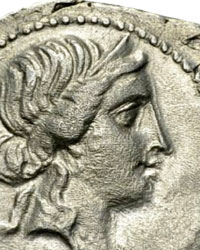
利西亚君主. 佩里克尔. Unit Circa 380–362 BC (没有保留价)


07
天
05
小时
22
分钟
56
秒

2名其他人正在关注此物品
 | €1 |
|---|
Catawiki买家保障
在您收到物品之前,您的付款将在我们这里受到安全保管。查看详细信息
Trustpilot 4.4分 | 132849条评论
在Trustpilot上被评为优秀。
吕基亚诸侯之 Perikle 以 AE12 单位铸币,公元前约380–362年,直径12毫米,重2.21克;正面为左向 Pan,具山羊耳与角,背面为 Lycian 字 PERIKL,带旋转的三轮三足纹。
AI辅助摘要
卖家的描述
Important: 由于海关规定,我们仅在欧盟内部发货。在竞标前,请确保您拥有有效的欧盟送货地址。
Description:
Dynasts of Lycia, Perikles. AE12 Unit. Struck circa 380–362 BC.
Obverse: Head of Pan left, with goat's ear and small horn.
Reverse: PERIKL (in Lycian script), Triskeles rotating left.
Diameter: 12 mm
Weight: 2,21 gr
Condition: See photos for condition, zoom in if needed.
Reference: SNG vA 4258
Historical Context:
Perikles was the last of the great Lycian Dynasts, ruling from the city of Limyra during a period of transition as the region moved toward greater Hellenistic influence. This bronze unit is historically significant as it dates to the final years of Lycian independence before the region was consolidated into the Carian satrapy under Mausolos. The obverse depicts Pan, the wild god of nature and shepherds, a figure deeply connected to the rugged, mountainous landscape of Lycia. The reverse features the triskeles, an ancient and iconic symbol of the Lycian people, representing movement, solar energy, and the divine. The inclusion of the dynast’s name in the native Lycian script provides a direct link to the local linguistic identity of the 4th century BC. This coinage reflects the sophisticated administrative and cultural autonomy maintained by the Lycian rulers even while navigating the complex politics of the Persian Empire.
Important: 由于海关规定,我们仅在欧盟内部发货。在竞标前,请确保您拥有有效的欧盟送货地址。
Description:
Dynasts of Lycia, Perikles. AE12 Unit. Struck circa 380–362 BC.
Obverse: Head of Pan left, with goat's ear and small horn.
Reverse: PERIKL (in Lycian script), Triskeles rotating left.
Diameter: 12 mm
Weight: 2,21 gr
Condition: See photos for condition, zoom in if needed.
Reference: SNG vA 4258
Historical Context:
Perikles was the last of the great Lycian Dynasts, ruling from the city of Limyra during a period of transition as the region moved toward greater Hellenistic influence. This bronze unit is historically significant as it dates to the final years of Lycian independence before the region was consolidated into the Carian satrapy under Mausolos. The obverse depicts Pan, the wild god of nature and shepherds, a figure deeply connected to the rugged, mountainous landscape of Lycia. The reverse features the triskeles, an ancient and iconic symbol of the Lycian people, representing movement, solar energy, and the divine. The inclusion of the dynast’s name in the native Lycian script provides a direct link to the local linguistic identity of the 4th century BC. This coinage reflects the sophisticated administrative and cultural autonomy maintained by the Lycian rulers even while navigating the complex politics of the Persian Empire.
详细资料
时代
1400年之前
重量
2,21 g
文化/地区
利西亚君主
附加信息
Circa 380–362 BC
统治者
佩里克尔
面额
Unit
金属
Æ
状态
未评级