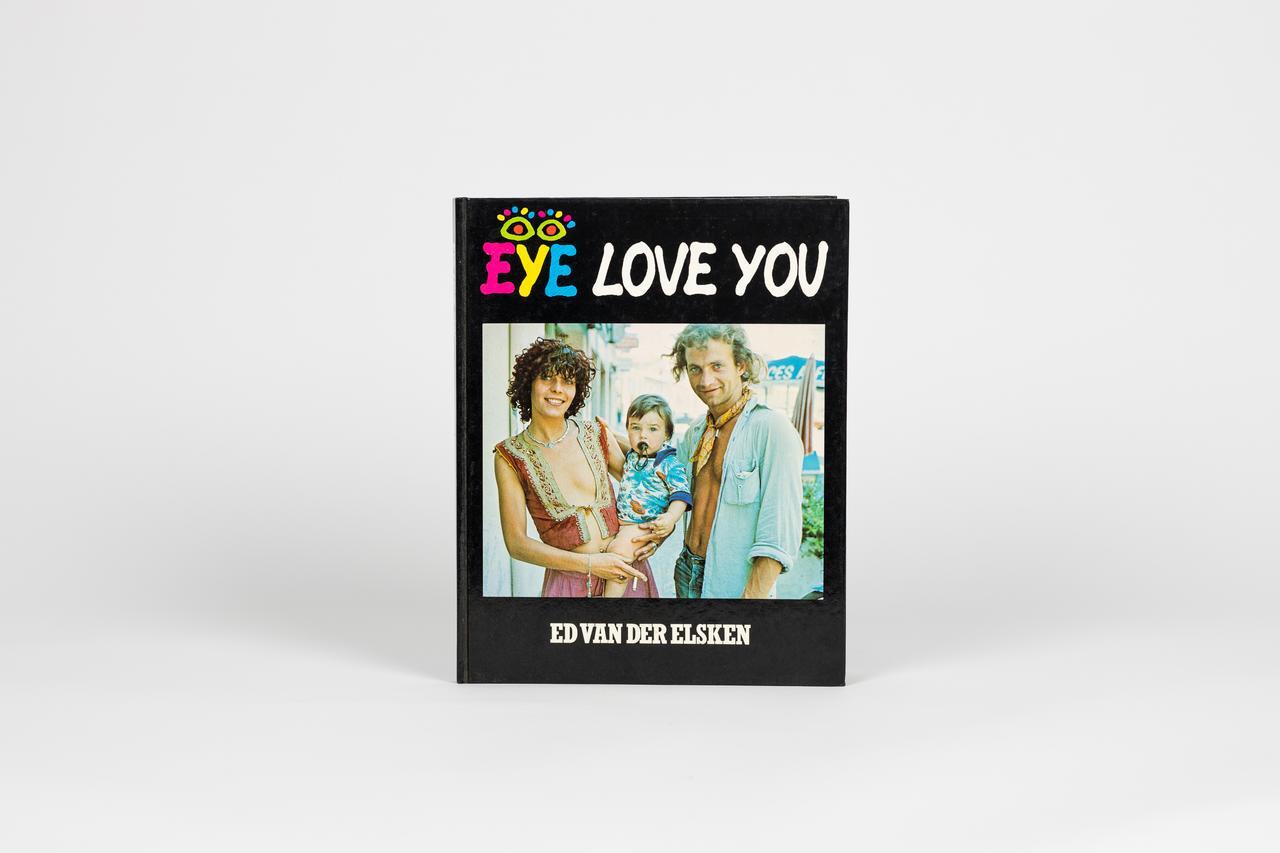
Signed, Takashi Homma - Butsu Butsu - 2012


10
天
03
小时
30
分钟
22
秒

6名其他人正在关注此物品
 | €50 | |
|---|---|---|
 | €1 |
Catawiki买家保障
在您收到物品之前,您的付款将在我们这里受到安全保管。查看详细信息
Trustpilot 4.4分 | 132109条评论
在Trustpilot上被评为优秀。
Butsu Butsu,由 Takashi Homma 签名,是一本日语摄影书的第一版,224 页,由 Book Peak 于 2012 年出版,状况良好。
AI辅助摘要
卖家的描述
Butsu Butsu
Signed, Takashi Honma
Book Peak/2012/japanese/158*215*20
Genichiro Inokuma (1902–1993) was a leading postwar Japanese painter who studied under Henri Matisse and continued to create abstract and provocative works while based in Japan and New York. This book, *Monomon*, features objects collected by Inokuma and his wife Fumiko from around the world, as well as his own prototypes. The items were curated by stylist Miyoko Okao, photographed by Takashi Homma, and edited and designed by graphic designer Atsumi Kikuchi. While Shunji Okura’s *The Painter’s Toy Box* is a famous collection of Inokuma’s possessions, this book presents each item—ranging from traditional folk crafts to industrial goods, furniture, dolls, and toys—against a white background. The sheer variety of these objects reflects Inokuma’s unique artistic sensibility, and the Zen-like exchanges between Okura and Honma accompanying each piece offer a glimpse into his character. The book concludes with an essay by writer Toshiyuki Horie.
Butsu Butsu
Signed, Takashi Honma
Book Peak/2012/japanese/158*215*20
Genichiro Inokuma (1902–1993) was a leading postwar Japanese painter who studied under Henri Matisse and continued to create abstract and provocative works while based in Japan and New York. This book, *Monomon*, features objects collected by Inokuma and his wife Fumiko from around the world, as well as his own prototypes. The items were curated by stylist Miyoko Okao, photographed by Takashi Homma, and edited and designed by graphic designer Atsumi Kikuchi. While Shunji Okura’s *The Painter’s Toy Box* is a famous collection of Inokuma’s possessions, this book presents each item—ranging from traditional folk crafts to industrial goods, furniture, dolls, and toys—against a white background. The sheer variety of these objects reflects Inokuma’s unique artistic sensibility, and the Zen-like exchanges between Okura and Honma accompanying each piece offer a glimpse into his character. The book concludes with an essay by writer Toshiyuki Horie.
详细资料
书籍的数量
1
物品
摄影
书名
Butsu Butsu
作者/ 插画家
Signed, Takashi Homma
状态
好
最旧物品的出版年份
2012
版本
第1版
语言
Japanese
Original language
是的
出版商
Book Peak
总页数
224