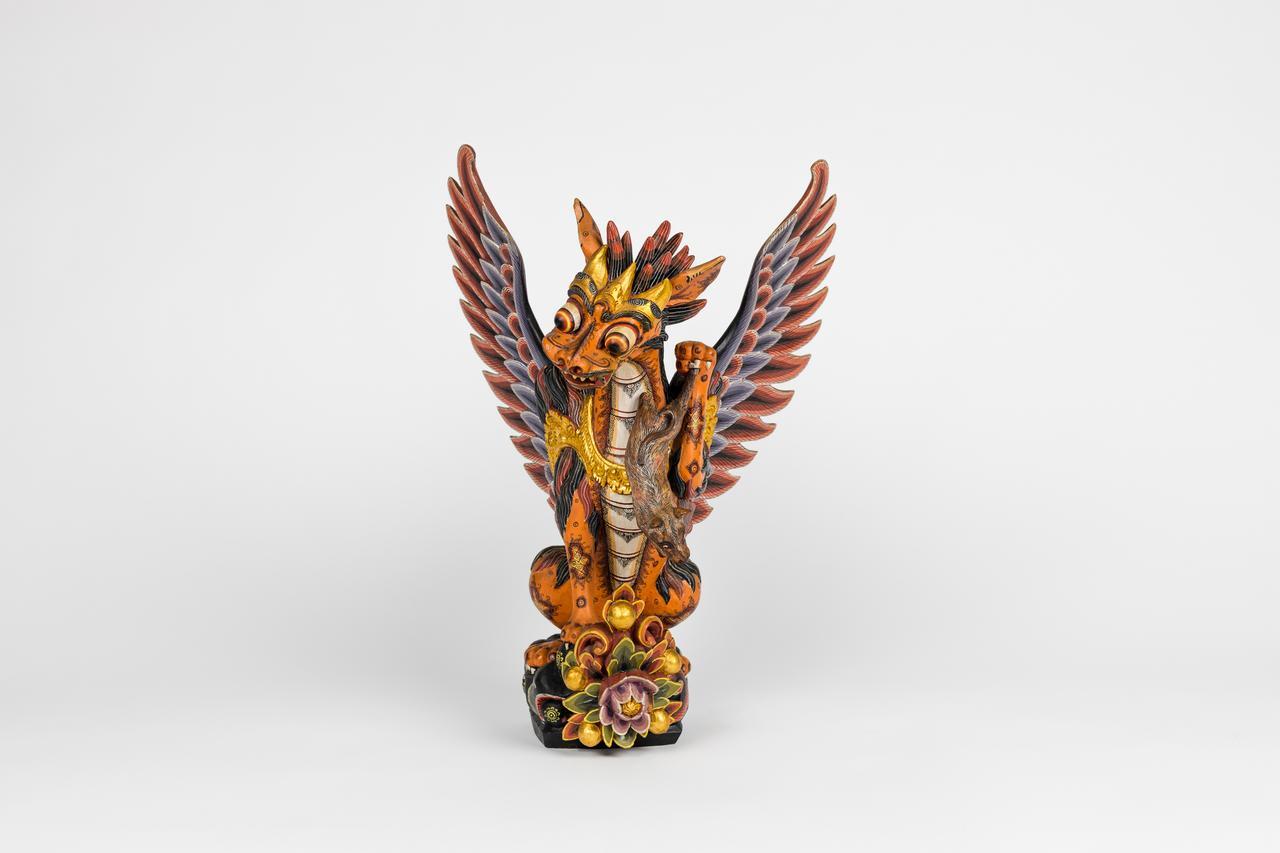
20世纪初的 korwar 地区槟榔容器 - geelvinkbay - 西巴布亚 (没有保留价)


03
天
18
小时
57
分钟
08
秒

10名其他人正在关注此物品
 | €1 |
|---|
Catawiki买家保障
在您收到物品之前,您的付款将在我们这里受到安全保管。查看详细信息
Trustpilot 4.4分 | 133697条评论
在Trustpilot上被评为优秀。
晚20世纪西巴布亚群岛 Moor Island 骨木容器,椰子木制 betelnut 容器,尺寸 8×8×8 cm,品相极好,来源私人收藏。
AI辅助摘要
卖家的描述
This small bowl, carved from coconut wood, originates from Moor Island in West Papua. I acquired it in 1994 during my travels in the region. Even at that time, it was already regarded locally as an heirloom, said to have belonged to a great-grandfather of the family who preserved it.
The object bears all the subtle yet unmistakable signs of prolonged and intimate use. The surface has been worn smooth by countless hands, meals, and daily rituals. Its patina is deep and soft, not merely the result of age, but of continuous human contact—handling, washing, carrying, and perhaps even passing from one generation to the next. The edges are slightly rounded from wear, and the interior shows a gentle polishing that only time and repetition can produce.
What makes this bowl particularly intriguing is the faint but deliberate drawing incised along its outer side. The motif is simple, almost understated, yet it carries a quiet presence. Such markings are rarely purely decorative in this cultural context; they often reflect memory, identity, or a connection to a story, a person, or a lineage. Whether it was added by the original owner or a later descendant remains unknown, but it reinforces the sense that this object was more than utilitarian—it held meaning.
Coconut wood, while readily available, requires skill to shape properly. Its grain can be unpredictable, and the maker must have understood the material well to produce a vessel that endured decades of use. The bowl’s form is modest and functional, yet balanced, suggesting it was made by an experienced hand rather than as a casual or temporary item.
Altogether, this piece stands as a quiet witness to daily life on Moor Island in an earlier time. It carries traces of nourishment, continuity, and memory. More than an object, it is a fragment of lived experience—handled, used, and valued across generations.
A powerful and evocative work from one of the most artistically rich regions of Papua New Guinea.
We pack securely sending worldwide
—
Alongside my passion for these unique cultural objects, I recently published my book Ik droomde dat je kwam, in which I describe personal encounters and experiences in Papua. The spirit of objects like this necklace lives on in those stories.
Sold by Koos Knol, ethnographer and anthropologist, dealer of Papua Tribal Art for more than 30 years,
NIEUWSTE BOEK VAN KOOS KNOL
‘Ik droomde dat je kwam’
Een prachtig en meeslepend boek vol verhalen over Papua, met een bijzondere mix van avontuur, cultuur en persoonlijke ontmoetingen. De auteur neemt je mee van Raja Ampat tot de Asmat, van Yapen tot de Vogelkop, in een warme en levendige vertelstijl. Inclusief fotokatern van Roy Villevoye.
Prijs: €22,95
Gesigneerd exemplaar
Kan worden meegezonden met de verzending, dus geen extra verzendkosten.
Wordt het niet meegezonden, dan komt er €4,- bij.
Google: Papua Blues en Ik droomde dat je kwam
( Uitgeverij Noordboek in Gorredijk.
卖家故事
我的妻子Paula van den Berg和我Koos Tuber都是人类学家,他们在巴布亚新几内亚和西巴布亚(以前叫Irian Jaya),所罗门群岛和瓦努阿图(以前叫新赫布里底)旅行很多。我们热爱当地的部落艺术,收集了成千上万的艺术品,全部都是地道的,有时是旧的,有时是较新的但主要用于当地传统文化的物品。我们很乐意在Catawiki上提供有关我们在这里出售的工件的更多详细信息。请随时与我们联系。
使用Google翻译翻译This small bowl, carved from coconut wood, originates from Moor Island in West Papua. I acquired it in 1994 during my travels in the region. Even at that time, it was already regarded locally as an heirloom, said to have belonged to a great-grandfather of the family who preserved it.
The object bears all the subtle yet unmistakable signs of prolonged and intimate use. The surface has been worn smooth by countless hands, meals, and daily rituals. Its patina is deep and soft, not merely the result of age, but of continuous human contact—handling, washing, carrying, and perhaps even passing from one generation to the next. The edges are slightly rounded from wear, and the interior shows a gentle polishing that only time and repetition can produce.
What makes this bowl particularly intriguing is the faint but deliberate drawing incised along its outer side. The motif is simple, almost understated, yet it carries a quiet presence. Such markings are rarely purely decorative in this cultural context; they often reflect memory, identity, or a connection to a story, a person, or a lineage. Whether it was added by the original owner or a later descendant remains unknown, but it reinforces the sense that this object was more than utilitarian—it held meaning.
Coconut wood, while readily available, requires skill to shape properly. Its grain can be unpredictable, and the maker must have understood the material well to produce a vessel that endured decades of use. The bowl’s form is modest and functional, yet balanced, suggesting it was made by an experienced hand rather than as a casual or temporary item.
Altogether, this piece stands as a quiet witness to daily life on Moor Island in an earlier time. It carries traces of nourishment, continuity, and memory. More than an object, it is a fragment of lived experience—handled, used, and valued across generations.
A powerful and evocative work from one of the most artistically rich regions of Papua New Guinea.
We pack securely sending worldwide
—
Alongside my passion for these unique cultural objects, I recently published my book Ik droomde dat je kwam, in which I describe personal encounters and experiences in Papua. The spirit of objects like this necklace lives on in those stories.
Sold by Koos Knol, ethnographer and anthropologist, dealer of Papua Tribal Art for more than 30 years,
NIEUWSTE BOEK VAN KOOS KNOL
‘Ik droomde dat je kwam’
Een prachtig en meeslepend boek vol verhalen over Papua, met een bijzondere mix van avontuur, cultuur en persoonlijke ontmoetingen. De auteur neemt je mee van Raja Ampat tot de Asmat, van Yapen tot de Vogelkop, in een warme en levendige vertelstijl. Inclusief fotokatern van Roy Villevoye.
Prijs: €22,95
Gesigneerd exemplaar
Kan worden meegezonden met de verzending, dus geen extra verzendkosten.
Wordt het niet meegezonden, dan komt er €4,- bij.
Google: Papua Blues en Ik droomde dat je kwam
( Uitgeverij Noordboek in Gorredijk.
卖家故事
我的妻子Paula van den Berg和我Koos Tuber都是人类学家,他们在巴布亚新几内亚和西巴布亚(以前叫Irian Jaya),所罗门群岛和瓦努阿图(以前叫新赫布里底)旅行很多。我们热爱当地的部落艺术,收集了成千上万的艺术品,全部都是地道的,有时是旧的,有时是较新的但主要用于当地传统文化的物品。我们很乐意在Catawiki上提供有关我们在这里出售的工件的更多详细信息。请随时与我们联系。
使用Google翻译翻译详细资料
项目件数
1
Ethnic group/ culture
geelvinkbay
原产国
West Papua
推算时期
Late 20th century
Sold with stand
不是
状态
极佳状态
艺术品标题
Early 20th century korwar area container for betelnut
高度
8,5 cm
宽度
8 cm
深度
8 cm
起源
私人收藏
真伪
原始的/正式的