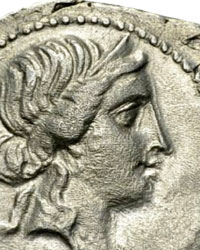
米西亚, 凯济科斯 Hekte ca. 550–450 v. Chr.


10:00点开始

Catawiki买家保障
在您收到物品之前,您的付款将在我们这里受到安全保管。查看详细信息
Trustpilot 4.4分 | 133284条评论
在Trustpilot上被评为优秀。
卖家的描述
MYSIA, Kyzicus – Electron Heckte (c. 550–450 BC)
Description:
1. Obv: A bearded satyr (Silenos) in a kneeling posture ("kneeling") to the left. He holds a tuna by the tail fin in his outstretched right hand. The satyr is depicted muscular, with the characteristic pointed ears and a horse's tail. Below it is the obligatory tuna to the left as a city symbol.
2. Rev: Four-part quadratum incusum (impact square) in the windmill blade shape typical of this era with a slightly grained inner surface.
Technical data:
1. Nominal: Heckte (1/6 states).
2. Material: Electron (natural gold-silver alloy).
3. Weight: 2.67 g (DM 10.5 mm)
4. Reference: by Fritze I122; Greenwell 41, Boston MFA 1461; SNG BN 270; Prov. ARC ancient Rarity Coins UG
"Anyone who loves the numismatics of Kyzikos simply cannot miss this specimen. It combines the typical robustness of ancient coins with a fine, artistic depth of detail. While the obligatory tuna guarantees its provenance, the depiction of the satyr transports us to the mythological world of ecstasy and wine. An exceptionally well-preserved collector's item, it impresses with its compact form and the perfect alignment of the die. The perfect alignment and full depiction of the bearded satyr is also rare."
MYSIEN, Kyzikos – Elektron-Hekte (ca. 550–450 v. Chr.)
Beschreibung:
Avers (Vorderseite): Ein bärtiger Satyr (Silenos) in kniender Haltung („Knielauf“) nach links. Er hält in seiner ausgestreckten rechten Hand einen Thunfisch an der Schwanzflosse. Der Satyr ist muskulös dargestellt, mit den charakteristischen spitzen Ohren und einem Pferdeschweif. Darunter befindet sich als Stadtzeichen der obligatorische Thunfisch nach links.
Revers (Rückseite): Viergeteiltes Quadratum incusum (Einschlagquadrat) in der für diese Epoche typischen Windmühlenflügel-Form mit leicht gekörnter Innenfläche.
Technische Daten:
Nominal: Hekte (1/6 Stater).
Material: Elektron (natürliche Gold-Silber-Legierung).
Gewicht: 2,67 g (DM 10,5 mm)
Referenz: von Fritze I122; Greenwell 41, Boston MFA 1461; SNG BN 270; Prov. ARC ancient Rarity Coins UG
„„Wer die Numismatik von Kyzikos liebt, kommt an diesem Exemplar nicht vorbei. Es vereint die typische Robustheit antiker Prägungen mit einer feinen, künstlerischen Detailtiefe. Während der obligatorische Thunfisch die Herkunft garantiert, entführt uns die Abbildung des Satyrs in die mythologische Welt der Ekstase und des Weins. Ein außergewöhnlich gut erhaltenes Sammlerstück, das durch seine kompakte Form und die perfekte Ausrichtung des Stempels besticht. Selten ist auch die perfekte Ausrichtung und volle Abbildung bärtigen Satyrs“
MYSIA, Kyzicus – Electron Heckte (c. 550–450 BC)
Description:
1. Obv: A bearded satyr (Silenos) in a kneeling posture ("kneeling") to the left. He holds a tuna by the tail fin in his outstretched right hand. The satyr is depicted muscular, with the characteristic pointed ears and a horse's tail. Below it is the obligatory tuna to the left as a city symbol.
2. Rev: Four-part quadratum incusum (impact square) in the windmill blade shape typical of this era with a slightly grained inner surface.
Technical data:
1. Nominal: Heckte (1/6 states).
2. Material: Electron (natural gold-silver alloy).
3. Weight: 2.67 g (DM 10.5 mm)
4. Reference: by Fritze I122; Greenwell 41, Boston MFA 1461; SNG BN 270; Prov. ARC ancient Rarity Coins UG
"Anyone who loves the numismatics of Kyzikos simply cannot miss this specimen. It combines the typical robustness of ancient coins with a fine, artistic depth of detail. While the obligatory tuna guarantees its provenance, the depiction of the satyr transports us to the mythological world of ecstasy and wine. An exceptionally well-preserved collector's item, it impresses with its compact form and the perfect alignment of the die. The perfect alignment and full depiction of the bearded satyr is also rare."
MYSIEN, Kyzikos – Elektron-Hekte (ca. 550–450 v. Chr.)
Beschreibung:
Avers (Vorderseite): Ein bärtiger Satyr (Silenos) in kniender Haltung („Knielauf“) nach links. Er hält in seiner ausgestreckten rechten Hand einen Thunfisch an der Schwanzflosse. Der Satyr ist muskulös dargestellt, mit den charakteristischen spitzen Ohren und einem Pferdeschweif. Darunter befindet sich als Stadtzeichen der obligatorische Thunfisch nach links.
Revers (Rückseite): Viergeteiltes Quadratum incusum (Einschlagquadrat) in der für diese Epoche typischen Windmühlenflügel-Form mit leicht gekörnter Innenfläche.
Technische Daten:
Nominal: Hekte (1/6 Stater).
Material: Elektron (natürliche Gold-Silber-Legierung).
Gewicht: 2,67 g (DM 10,5 mm)
Referenz: von Fritze I122; Greenwell 41, Boston MFA 1461; SNG BN 270; Prov. ARC ancient Rarity Coins UG
„„Wer die Numismatik von Kyzikos liebt, kommt an diesem Exemplar nicht vorbei. Es vereint die typische Robustheit antiker Prägungen mit einer feinen, künstlerischen Detailtiefe. Während der obligatorische Thunfisch die Herkunft garantiert, entführt uns die Abbildung des Satyrs in die mythologische Welt der Ekstase und des Weins. Ein außergewöhnlich gut erhaltenes Sammlerstück, das durch seine kompakte Form und die perfekte Ausrichtung des Stempels besticht. Selten ist auch die perfekte Ausrichtung und volle Abbildung bärtigen Satyrs“
详细资料
时代
1400年之前
重量
2,67 g
文化/地区
米西亚, 凯济科斯
附加信息
ca. 550–450 v. Chr.
物品件数
1
面额
Hekte
金属
THE
状态
未评级