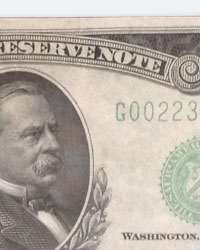
大不列顛. - 3 x 1 Pound - 1931/1958 (没有保留价)


明天开始

Catawiki买家保障
在您收到物品之前,您的付款将在我们这里受到安全保管。查看详细信息
Trustpilot 4.4分 | 133802条评论
在Trustpilot上被评为优秀。
卖家的描述
1st card: Commercial Bank of Scotland Limited £1
Release information: 1 June 1931, Edinburgh issue, number 23E 154413.
Design features:
The main color is yellow and blue, with the full name of the bank printed on the top and clearly marked ONE POUND STERLING.
In the center is a portrait of a banker (an iconic design of the Scottish Commercial Bank), flanked by the handwritten signatures of the accountant and cashier.
The pattern at the top depicts a scene of commercial activity, and the printer "Waterlow & Sons Limited" is marked at the bottom.
Background: The Scottish Commercial Bank is one of the oldest banks in Scotland, and this type of banknotes can be directly exchanged for the same amount of pound sterling coins at that time, which is a typical representative of Scottish banknotes.
2nd and 3rd cards: The National Bank of Scotland Limited £1
The two are versions of the same series of different years, with a unified design:
Second Album: Issued June 1, 1954, number BJ 332-915, signed "General Manager".
Third Album: Issued July 1, 1958, Numbered BX 712-103, signed "David Alexander".
Design features:
The main color is an orange-yellow gradient, with the National Bank of Scotland's coat of arms in the center and Scottish landmarks (Edinburgh-related landmarks) printed on both sides.
Clearly mark Promise to pay the bearer on demand, with the printer's information printed on the bottom.
* Background: The National Bank of Scotland was one of Scotland's major banks at the time, and this version of the £1 note from the 1950s was a circulation note issued by the bank in the later period and was a popular variety in the banknote collection.
Special status of Scottish banknotes: After the merger of Scotland and England in 1707, the Scottish Native Bank retained the right to issue banknotes, which were in circulation equivalent to the English pound and are still in legal circulation in Scotland today.
The meaning of "pay on demand": The "Promise to pay the bearer on demand" on the banknote means that the holder can exchange the same amount of pound sterling coins at the issuing bank at any time, which is the core feature of early banknotes.
Collection value: This type of early Scottish banknote has a large collection value due to different issuing banks, years, and products. The 1931 Commercial Bank £1 banknote usually has a market price of a few tens to more than a hundred pounds; The National Bank £1 note from the 1950s was relatively low, generally in the £20-£50 range.
1st card: Commercial Bank of Scotland Limited £1
Release information: 1 June 1931, Edinburgh issue, number 23E 154413.
Design features:
The main color is yellow and blue, with the full name of the bank printed on the top and clearly marked ONE POUND STERLING.
In the center is a portrait of a banker (an iconic design of the Scottish Commercial Bank), flanked by the handwritten signatures of the accountant and cashier.
The pattern at the top depicts a scene of commercial activity, and the printer "Waterlow & Sons Limited" is marked at the bottom.
Background: The Scottish Commercial Bank is one of the oldest banks in Scotland, and this type of banknotes can be directly exchanged for the same amount of pound sterling coins at that time, which is a typical representative of Scottish banknotes.
2nd and 3rd cards: The National Bank of Scotland Limited £1
The two are versions of the same series of different years, with a unified design:
Second Album: Issued June 1, 1954, number BJ 332-915, signed "General Manager".
Third Album: Issued July 1, 1958, Numbered BX 712-103, signed "David Alexander".
Design features:
The main color is an orange-yellow gradient, with the National Bank of Scotland's coat of arms in the center and Scottish landmarks (Edinburgh-related landmarks) printed on both sides.
Clearly mark Promise to pay the bearer on demand, with the printer's information printed on the bottom.
* Background: The National Bank of Scotland was one of Scotland's major banks at the time, and this version of the £1 note from the 1950s was a circulation note issued by the bank in the later period and was a popular variety in the banknote collection.
Special status of Scottish banknotes: After the merger of Scotland and England in 1707, the Scottish Native Bank retained the right to issue banknotes, which were in circulation equivalent to the English pound and are still in legal circulation in Scotland today.
The meaning of "pay on demand": The "Promise to pay the bearer on demand" on the banknote means that the holder can exchange the same amount of pound sterling coins at the issuing bank at any time, which is the core feature of early banknotes.
Collection value: This type of early Scottish banknote has a large collection value due to different issuing banks, years, and products. The 1931 Commercial Bank £1 banknote usually has a market price of a few tens to more than a hundred pounds; The National Bank £1 note from the 1950s was relatively low, generally in the £20-£50 range.
详细资料
时代
1900-2000
等级(认证说明)
各种等级
面额
Pound
国家/省
大不列顛
附加信息
- 1931/1958
数额 x 票面价值
- 3 x 1
物品件数
3
描述/主题
History