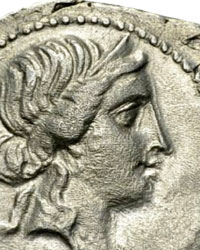
利考尼亚, 拉罗丹 Obol (circa 331 BC). Forepart Wolf / Seated Baal (没有保留价)


01
天
12
小时
46
分钟
18
秒

13名其他人正在关注此物品
 | €4 | |
|---|---|---|
 | €3 | |
 | €2 | |
Catawiki买家保障
在您收到物品之前,您的付款将在我们这里受到安全保管。查看详细信息
Trustpilot 4.4分 | 135538条评论
在Trustpilot上被评为优秀。
Lycaonia / Cilicia Laranda AR 金币,约公元前331年铸造;正面为坐着的巴力,持谷穗或枝与葡萄,背面为右侧狼的前身,上方有新月,直径10毫米,重0.59克,参考文献:SNG Levante 225。
AI辅助摘要
卖家的描述
Important: 由于海关规定,我们仅向欧盟内发货。下标前请确保持有有效的欧盟送货地址。
Description:
Lycaonia / Cilicia. Laranda. AR Obol. Struck circa 331 BC.
Obverse: Baal seated left, holding grain ear or branch and a bunch of grapes.
Reverse: Forepart of a wolf right; crescent above.
Diameter: 10 mm
Weight: 0,59 gr
Condition: See photos for condition, zoom in if needed.
Reference: SNG Levante 225
Historical Context:
Laranda was situated at a vital geographic and strategic crossroads in southern Asia Minor, anchoring trade routes between the central Anatolian plateau and the coastal plains of Cilicia. The date of 331 BC represents a period of profound geopolitical transition across the Near East, coinciding with the collapse of Achaemenid Persian administrative control during the eastern campaigns of Alexander the Great. This silver fractional coin, or obol, was produced to support regional economic liquidity and facilitate daily marketplace commerce. The specific choice of civic iconography underscores the deep-seated local religious traditions and regional cultural symbolism that persisted across southern Anatolia during this era of sweeping political realignment.
Prospective bidders are strongly encouraged to examine all photographs in conjunction with the used lighting and the stated dimensions, as high-resolution imagery may affect the perception of scale, and surface characteristics.
Important: 由于海关规定,我们仅向欧盟内发货。下标前请确保持有有效的欧盟送货地址。
Description:
Lycaonia / Cilicia. Laranda. AR Obol. Struck circa 331 BC.
Obverse: Baal seated left, holding grain ear or branch and a bunch of grapes.
Reverse: Forepart of a wolf right; crescent above.
Diameter: 10 mm
Weight: 0,59 gr
Condition: See photos for condition, zoom in if needed.
Reference: SNG Levante 225
Historical Context:
Laranda was situated at a vital geographic and strategic crossroads in southern Asia Minor, anchoring trade routes between the central Anatolian plateau and the coastal plains of Cilicia. The date of 331 BC represents a period of profound geopolitical transition across the Near East, coinciding with the collapse of Achaemenid Persian administrative control during the eastern campaigns of Alexander the Great. This silver fractional coin, or obol, was produced to support regional economic liquidity and facilitate daily marketplace commerce. The specific choice of civic iconography underscores the deep-seated local religious traditions and regional cultural symbolism that persisted across southern Anatolia during this era of sweeping political realignment.
Prospective bidders are strongly encouraged to examine all photographs in conjunction with the used lighting and the stated dimensions, as high-resolution imagery may affect the perception of scale, and surface characteristics.
详细资料
时代
1400年之前
重量
0,59 g
文化/地区
利考尼亚, 拉罗丹
附加信息
(circa 331 BC). Forepart Wolf / Seated Baal
面额
Obol
金属
AR
状态
未评级