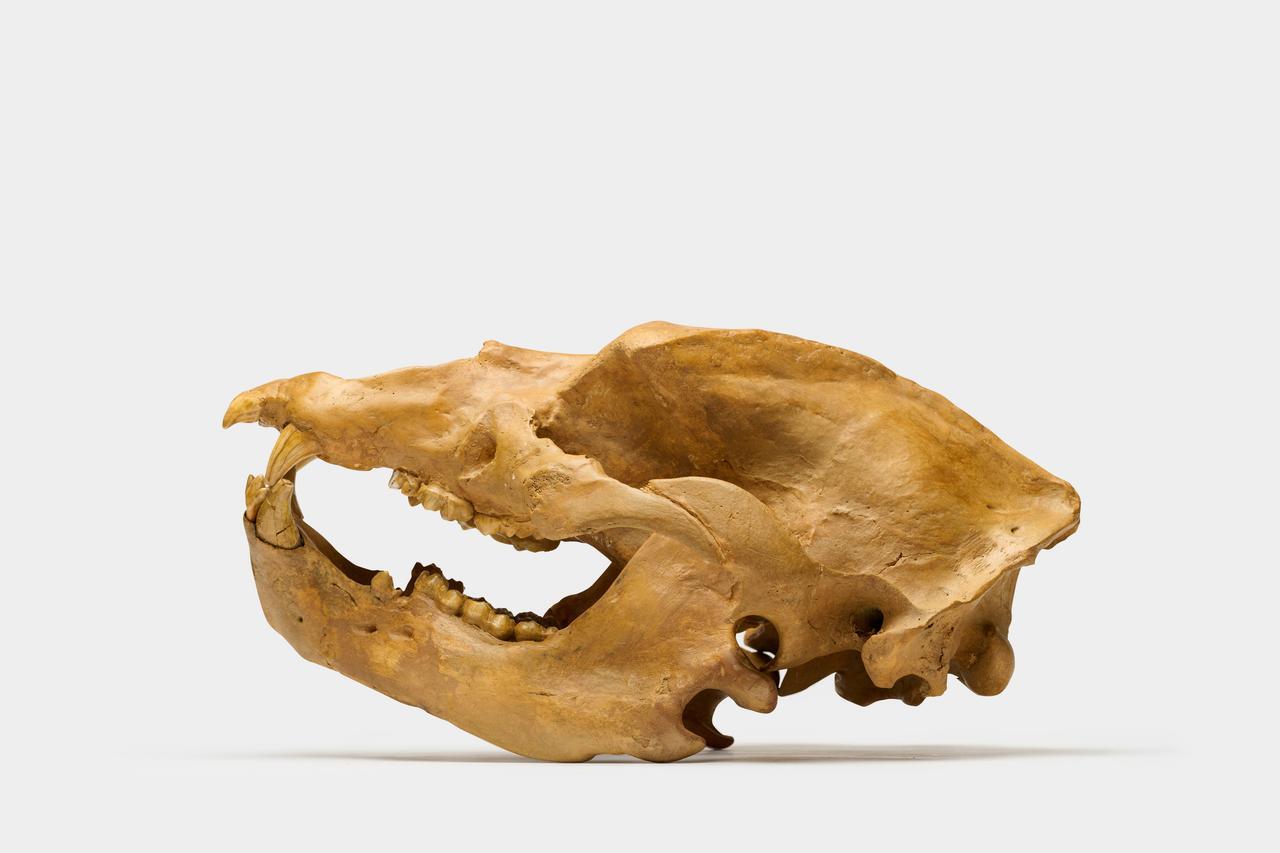
极其壮观的牙形虫化石,保存极为完好!!! - 动物化石 - Clononograptus rigidus (Hall, 1858) - 19 cm - 11 cm (没有保留价)


05
天
05
小时
51
分钟
58
秒

没有出价记录
Catawiki买家保障
在您收到物品之前,您的付款将在我们这里受到安全保管。查看详细信息
Trustpilot 4.4分 | 138416条评论
在Trustpilot上被评为优秀。
标本:保存极为出色的格棱虫化石;科学名称:Clononograptus rigidus (Hall, 1858);地质时期:下奥陶纪, Tremadociense - Fezouata 组;状态:天然。
AI辅助摘要
卖家的描述
spectacular plate with an exemplar of the graptolites Clononograptus. Plate with a Clononograptus very well fossilized. Clononograptus is spectacular, it is relatively complete and presents an extraordinary preservation. Specimens of this quality are extremely rare. The contrast of the fossils with the matrix is spectacular. The extraordinary preservation of the fossils allows observing in great detail the delicate structures of the different graptolites. The preparation of the specimen was very laborious, preserving the finest details. A specimen worthy of a museum.
Plastic support included.
Graptolites are an extinct class of the phylum Hemichordata. They are fossils of colonial animals that arose at the end of the Cambrian and became extinct at the beginning of the Carboniferous. Graptolites are small animals that lived in groups or colonies. Some colonies formed ramified shapes. The different types of graptolite colonies had branches with different forms. They can be straight, curved, or even spiral.
The outcrops of the Fezouata Formation, near the Moroccan city of Zagora, are providing a rich and varied record of fossils with extraordinary preservation, to the point that soft parts or soft-bodied animals are often preserved. This type of preservation is similar, though later in time, to that of the famous Burgess Shale (Canada).
These are fossils dating between 480 and 472 million years ago. Back then Morocco was an ocean and located near the South Pole.
spectacular plate with an exemplar of the graptolites Clononograptus. Plate with a Clononograptus very well fossilized. Clononograptus is spectacular, it is relatively complete and presents an extraordinary preservation. Specimens of this quality are extremely rare. The contrast of the fossils with the matrix is spectacular. The extraordinary preservation of the fossils allows observing in great detail the delicate structures of the different graptolites. The preparation of the specimen was very laborious, preserving the finest details. A specimen worthy of a museum.
Plastic support included.
Graptolites are an extinct class of the phylum Hemichordata. They are fossils of colonial animals that arose at the end of the Cambrian and became extinct at the beginning of the Carboniferous. Graptolites are small animals that lived in groups or colonies. Some colonies formed ramified shapes. The different types of graptolite colonies had branches with different forms. They can be straight, curved, or even spiral.
The outcrops of the Fezouata Formation, near the Moroccan city of Zagora, are providing a rich and varied record of fossils with extraordinary preservation, to the point that soft parts or soft-bodied animals are often preserved. This type of preservation is similar, though later in time, to that of the famous Burgess Shale (Canada).
These are fossils dating between 480 and 472 million years ago. Back then Morocco was an ocean and located near the South Pole.
详细资料
物品件数
1
标本
Spectacular graptolites with extraordinary preservation!!!
科学名称
Clononograptus rigidus (Hall, 1858)
国家
Bou Chrebeb, Zagora, Morocco
地质时期
Lower Ordovician, Tremadocian – Fezouata Formation
状态
自然的
重量
516 g
高度
19 cm
宽度
11 cm
深度
1,4 cm
真伪
原始的/正式的