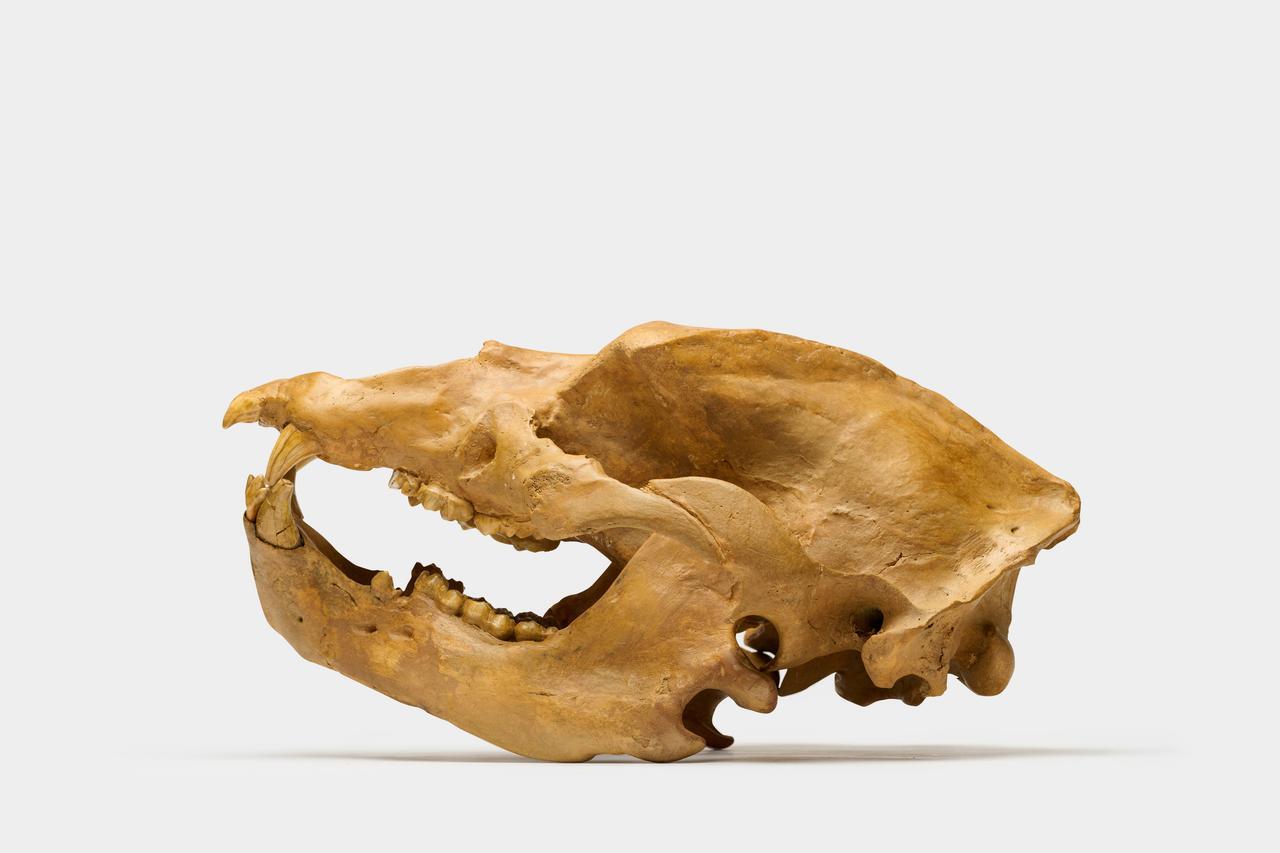
宝石级巨大13.2厘米的巨齿鲨牙,来自印尼罕见产地 - 牙齿化石 - Otodus (Carcharocles) megalodon (没有保留价)


07
天
18
小时
54
分钟
47
秒

 | €50 | |
|---|---|---|
 | €45 | |
| €40 | |
Catawiki买家保障
在您收到物品之前,您的付款将在我们这里受到安全保管。查看详细信息
Trustpilot 4.4分 | 139520条评论
在Trustpilot上被评为优秀。
奥托杜斯(卡查洛克莱)美拉哥龙牙,宝石级巨大13.2厘米,产自印度尼西亚西爪哇, Miocene 约1400万年前,自然状态,原始/官方认证。
AI辅助摘要
卖家的描述
Scientific name: Otodus megalodon, Agassiz (1843) - Shark tooth
Location: Tasikmalaya Area, West Java, Indonesia
Geological Formation: West Java Miocene Outcrops
Age: Miocene, (~14 Million Years)
Size: 13,2cm
REF.: #J638
DESCRIPTION:
This is a outstanding huge sharply serrated fossil Megalodon tooth collected in West Java, Indonesia. It has wonderful enamel, sharp serrations, and a fine tip. Original root as well. Not restored or glued.
Megalodon teeth from West Java, Indonesia have started hitting the market in the past couple years, but the prices have finally started to come down from stratospheric levels. They are "mined" from land sites and typically have excellent color though the coloration can vary from layer to layer.
Megalodon teeth from Indonesia, particularly from West Java, are highly sought after by collectors for their exceptional,, pristine enamel, vivid coloration (tans, golds, reds), and intact, sharp serrations. Unlike river-worn teeth, these are mined from limestone, resulting in sharp, detailed specimens usually dating to the Miocene/Pliocene epochs.
Key Features of Indonesian Megalodon Teeth
Location & Origin: Primarily sourced from West Java, Indonesia, from land-based mining operations rather than ocean diving.
Coloration: Known for vibrant, unique colors, including cream, yellow, tan, golden-brown, and sometimes rare blues, resulting from mineral-rich soil.
Preservation: The enamel is often in "glassy" condition, with sharp, well-preserved serrations and, in many cases, a complete, distinct bourlette (gum line).
Age: Roughly 2 to 15 million years old (Miocene to Pliocene periods).
Size: Ranging from small to very large, with rare, high-quality, 6-inch+ specimens found.
Considerations for Collectors
Root Condition: While the enamel is usually pristine, the roots of Indonesian teeth are sometimes eroded due to acidic soil.
Restoration: Due to mining, some teeth may be struck by tools and require repair or restoration; therefore, it is advised to check for "no restoration" disclosures on high-value specimens.
Price: Prices vary, but high-quality, large, and perfectly preserved specimens can cost thousands of dollars, making them a significant collector's item.
All of our fossils come with a Certificate of Authenticity. Every week, the issued Certificates of Authenticity are updated in our database verification system on our website. If you find that your certificate has not yet been updated, please contact us and we will update it immediately. Display box not included.
卖家故事
Jurassic Dreams 是全球最大的在线恐龙化石商店,作为获取真实化石标本的最有信誉来源,独树一帜。我们是唯一一家由经过认证的地质学家和古生物学家拥有的领先在线化石商店。此外,我们还拥有来自宇宙各处的非凡真实陨石标本。
库存中有几十种不同标本……我们的客户一次又一次地回头来购买。因为,简单来说,我们的终身保修无与伦比。
我叫 Juan A. Poblador,在 Paleontology and Geology 领域具备扎实的学术背景,来自 University of Madrid 和 University of Alicante。我在欧洲和非洲等地的多个地点参与过化石挖掘项目超过十年。撰写每个标本的科学准确描述是我的工作之一,耗时较多。显而易见,识别假冒与修复过的化石对我来说是本能。因此,你可以放心,本网站的每一块化石都经过我仔细筛选与检查。
多年來,我为收藏家和化石爱好者提供服务,也向博物馆与机构供货。我将对重要标本的研究与研究成果,与展览及其他发现的销售结合起来,这有助于资助新的考察。
此外,我还有一个小型后勤支持团队。我亲自培训他们,确保妥善处理和打包化石,使其能够在24小时内发出,安全无损地送达您的门口。
最后但同样重要的是,我很幸运拥有一个庞大的经验丰富的古生物学家网络,我们会讨论最罕见的物品、新发现和前往偏远采石场的勘探之行……如果我不知道某些事情,古生物学界真的会提供帮助。
我喜欢把 Jurassic Dreams 打造成一个经过精心策展的博物馆级藏品在线展览。我本人也是收藏家,乐于与其他收藏家分享知识。这就是为什么,当你有任何疑问或购买时,我都会回复你的一封邮件,你将获得个性化的化石选择体验。
Jurassic Dreams 自豪地成为 Applied Paleontological Sciences 协会(AAPS)成员,并遵守其道德准则。Applied Paleontological Sciences 协会遵循 National Academy of Sciences 关于古生物学收藏与标准商业实践与伦理的建议。
此外,我们还是 International Meteorite Collectors Association (IMCA) 的认证成员 #5681,以及 GMA (Global Meteorite Association) 的认证成员 G0043。IMCA 与 GMA 是帮助行星铁陨石收藏家寻找真实陨石、丰富收藏知识、并促进学习的最负盛名的协会。
每售出一块化石,我们都会免费提供一份实体真实性证书。这是我们的终身保修。证书由 Juan A. Poblador,一位资深古生物学家,专门为每块化石单独准备,包含准确的科学描述,证书的有效性可随时在线验证。此外,还提供 100% 退款保证。
使用Google翻译翻译Scientific name: Otodus megalodon, Agassiz (1843) - Shark tooth
Location: Tasikmalaya Area, West Java, Indonesia
Geological Formation: West Java Miocene Outcrops
Age: Miocene, (~14 Million Years)
Size: 13,2cm
REF.: #J638
DESCRIPTION:
This is a outstanding huge sharply serrated fossil Megalodon tooth collected in West Java, Indonesia. It has wonderful enamel, sharp serrations, and a fine tip. Original root as well. Not restored or glued.
Megalodon teeth from West Java, Indonesia have started hitting the market in the past couple years, but the prices have finally started to come down from stratospheric levels. They are "mined" from land sites and typically have excellent color though the coloration can vary from layer to layer.
Megalodon teeth from Indonesia, particularly from West Java, are highly sought after by collectors for their exceptional,, pristine enamel, vivid coloration (tans, golds, reds), and intact, sharp serrations. Unlike river-worn teeth, these are mined from limestone, resulting in sharp, detailed specimens usually dating to the Miocene/Pliocene epochs.
Key Features of Indonesian Megalodon Teeth
Location & Origin: Primarily sourced from West Java, Indonesia, from land-based mining operations rather than ocean diving.
Coloration: Known for vibrant, unique colors, including cream, yellow, tan, golden-brown, and sometimes rare blues, resulting from mineral-rich soil.
Preservation: The enamel is often in "glassy" condition, with sharp, well-preserved serrations and, in many cases, a complete, distinct bourlette (gum line).
Age: Roughly 2 to 15 million years old (Miocene to Pliocene periods).
Size: Ranging from small to very large, with rare, high-quality, 6-inch+ specimens found.
Considerations for Collectors
Root Condition: While the enamel is usually pristine, the roots of Indonesian teeth are sometimes eroded due to acidic soil.
Restoration: Due to mining, some teeth may be struck by tools and require repair or restoration; therefore, it is advised to check for "no restoration" disclosures on high-value specimens.
Price: Prices vary, but high-quality, large, and perfectly preserved specimens can cost thousands of dollars, making them a significant collector's item.
All of our fossils come with a Certificate of Authenticity. Every week, the issued Certificates of Authenticity are updated in our database verification system on our website. If you find that your certificate has not yet been updated, please contact us and we will update it immediately. Display box not included.
卖家故事
Jurassic Dreams 是全球最大的在线恐龙化石商店,作为获取真实化石标本的最有信誉来源,独树一帜。我们是唯一一家由经过认证的地质学家和古生物学家拥有的领先在线化石商店。此外,我们还拥有来自宇宙各处的非凡真实陨石标本。
库存中有几十种不同标本……我们的客户一次又一次地回头来购买。因为,简单来说,我们的终身保修无与伦比。
我叫 Juan A. Poblador,在 Paleontology and Geology 领域具备扎实的学术背景,来自 University of Madrid 和 University of Alicante。我在欧洲和非洲等地的多个地点参与过化石挖掘项目超过十年。撰写每个标本的科学准确描述是我的工作之一,耗时较多。显而易见,识别假冒与修复过的化石对我来说是本能。因此,你可以放心,本网站的每一块化石都经过我仔细筛选与检查。
多年來,我为收藏家和化石爱好者提供服务,也向博物馆与机构供货。我将对重要标本的研究与研究成果,与展览及其他发现的销售结合起来,这有助于资助新的考察。
此外,我还有一个小型后勤支持团队。我亲自培训他们,确保妥善处理和打包化石,使其能够在24小时内发出,安全无损地送达您的门口。
最后但同样重要的是,我很幸运拥有一个庞大的经验丰富的古生物学家网络,我们会讨论最罕见的物品、新发现和前往偏远采石场的勘探之行……如果我不知道某些事情,古生物学界真的会提供帮助。
我喜欢把 Jurassic Dreams 打造成一个经过精心策展的博物馆级藏品在线展览。我本人也是收藏家,乐于与其他收藏家分享知识。这就是为什么,当你有任何疑问或购买时,我都会回复你的一封邮件,你将获得个性化的化石选择体验。
Jurassic Dreams 自豪地成为 Applied Paleontological Sciences 协会(AAPS)成员,并遵守其道德准则。Applied Paleontological Sciences 协会遵循 National Academy of Sciences 关于古生物学收藏与标准商业实践与伦理的建议。
此外,我们还是 International Meteorite Collectors Association (IMCA) 的认证成员 #5681,以及 GMA (Global Meteorite Association) 的认证成员 G0043。IMCA 与 GMA 是帮助行星铁陨石收藏家寻找真实陨石、丰富收藏知识、并促进学习的最负盛名的协会。
每售出一块化石,我们都会免费提供一份实体真实性证书。这是我们的终身保修。证书由 Juan A. Poblador,一位资深古生物学家,专门为每块化石单独准备,包含准确的科学描述,证书的有效性可随时在线验证。此外,还提供 100% 退款保证。
使用Google翻译翻译详细资料
标本
Gem Grade Huge 13,2cm Killer Megalodon Tooth from Rare Indonesia Location
科学名称
Otodus (Carcharocles) megalodon
国家
印度尼西亚
地质时期
Miocene, (~14 Million Years)
状态
自然的
真伪
原始的/正式的