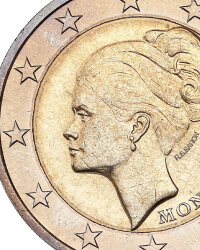
欧洲. 2 Euro Various Years (4 coins with cancellation marks) (没有保留价)


04
天
15
小时
18
分钟
48
秒

没有出价记录
Catawiki买家保障
在您收到物品之前,您的付款将在我们这里受到安全保管。查看详细信息
Trustpilot 4.4分 | 139439条评论
在Trustpilot上被评为优秀。
四枚2欧元硬币一组,均为凹模磨损造成的异形,分别来自2002年荷兰、2005年德国铸空币、2011年德国带边饰铭文EINIGKEIT UND RECHT UND FREIHEIT以及2020年马耳他,均为双金属合金,内圈为镍镀铜,重量8.5克,直径25.75毫米,厚度2.2毫米;其中2011年和2020年为有齿边,2002/2005为无边刻字的空币。
AI辅助摘要
卖家的描述
Period: European Union (Euro) Year 2005
Germany Currency: Euro Mint Blank
Type: Circulation Coins
Denomination: 2 Euro mint blank
Year: 2005
Bimetallic alloy.
Nickel-plated brass.
Cuproronickel ring
Side type: No edge serrations
No edge inscription
Description:
Shape: Round
Obverse/Reverse arrangement: Not reversed
Weight (g) 8.5
Diameter (mm) 25.75
Thickness (mm) 2.2
Irregularity caused by die wear; the blank shows metal bends in the form of longitudinal lines.
During the minting of coins, high dynamic loads are applied to the dies, which sometimes causes damage in the form of cracks or even chipping. Friction between the dies' surfaces and the coin blank causes gradual wear of the dies. Contrary to popular belief, mint damage makes these types of blanks highly sought after by collectors, as their uniqueness makes them interesting and often very valuable due to their rarity and exceptionality.
An interesting and unique, very rare and unusual form of damage to a 2 Euro blank.
Period: European Union (Euro) Year 2002
Netherlands Currency: Euro Mint Blank
Type: Circulation Coins
Denomination: 2 Euro mint blank
Year: 2002
Bimetallic alloy.
Nickel-plated brass.
Cuproronickel ring
Side type: No edge serrations
No edge inscription
Description:
Shape: Round
Obverse/Reverse arrangement: Not reversed
Weight (g) 8.5
Diameter (mm) 25.75
Thickness (mm) 2.2
Irregularity caused by die wear; the blank shows metal bends in the form of longitudinal lines.
During the minting of coins, high dynamic loads are applied to the dies, which sometimes causes damage in the form of cracks or even chipping. Friction between the dies' surfaces and the coin blank causes gradual wear of the dies. Contrary to popular belief, mint damage makes these types of blanks highly sought after by collectors, as their uniqueness makes them interesting and often very valuable due to their rarity and exceptionality.
An interesting and unique, very rare and unusual form of damage to a 2 Euro blank.
Period: European Union (Euro) Year 2011
Germany Currency: Euro
Type: Circulation coins
Denomination: 2 Euros Germany
Year: 2011
Bimetallic alloy.
Nickel-plated brass.
Cupronickel Ring
Side Type: Serrated Edge
Edge Inscription: "EINIGKEIT UND RECHT UND FREIHEIT" (Unity, Justice, and Freedom)
Designers: Heinz Hoyer, Sneschana Russewa-Hoyer
Shape: Round
Obverse/Reverse Arrangement: Not Reversed
Weight (g) 8.5
Diameter (mm) 25.75
Thickness (mm) 2.2
Irregularity caused by die wear; metal bends are visible on the coin in the form of longitudinal lines.
During minting, the dies are subjected to high dynamic loads, which sometimes causes damage in the form of cracks or even chips. Friction between the surfaces of the dies and the coin causes gradual wear of the dies. Contrary to appearances, mint damage is highly sought after by collectors, as its unique nature makes it interesting and often highly valuable due to its rarity and exceptional nature.
An interesting and unique, very rare and unusual form of damage to the Germany 2 Euro coin.
Period: European Union (Euro) Year 2020
Malta Currency: Euro
Type: Circulation Coins
Denomination: 2 Euro Malta
Year: 2020
Bimetallic alloy.
Nickel-plated brass.
Cuproronickel ring
Side type: Serrated edge
Edge inscription: numeral 2 and two stars in a repeating sentence
Designers:
Shape: Round
Obverse/Reverse arrangement: Not reversed
Weight (g) 8.5
Diameter (mm) 25.75
Thickness (mm) 2.2
Obverse: In the center, an eight-pointed Maltese cross; on the upper edge, the inscription: MALTA, separated by the arms of the cross; on the lower edge, the year of issue; along the edge, a ring of twelve five-pointed stars – the symbol of the European Union.
Irregularities caused by die wear; the coin shows metal bends in the form of longitudinal lines.
During minting, the dies are subjected to high dynamic loads, which sometimes causes damage in the form of cracks or even chipping. Friction between the surfaces of the dies and the coin causes gradual wear of the dies. Contrary to appearances, mint damage makes these coins highly sought after by collectors, as their uniqueness makes them interesting and often very valuable due to their rarity and exceptionality.
An interesting and unique, very rare and unusual form of damage to the Malta 2 Euro coin.
Period: European Union (Euro) Year 2005
Germany Currency: Euro Mint Blank
Type: Circulation Coins
Denomination: 2 Euro mint blank
Year: 2005
Bimetallic alloy.
Nickel-plated brass.
Cuproronickel ring
Side type: No edge serrations
No edge inscription
Description:
Shape: Round
Obverse/Reverse arrangement: Not reversed
Weight (g) 8.5
Diameter (mm) 25.75
Thickness (mm) 2.2
Irregularity caused by die wear; the blank shows metal bends in the form of longitudinal lines.
During the minting of coins, high dynamic loads are applied to the dies, which sometimes causes damage in the form of cracks or even chipping. Friction between the dies' surfaces and the coin blank causes gradual wear of the dies. Contrary to popular belief, mint damage makes these types of blanks highly sought after by collectors, as their uniqueness makes them interesting and often very valuable due to their rarity and exceptionality.
An interesting and unique, very rare and unusual form of damage to a 2 Euro blank.
Period: European Union (Euro) Year 2002
Netherlands Currency: Euro Mint Blank
Type: Circulation Coins
Denomination: 2 Euro mint blank
Year: 2002
Bimetallic alloy.
Nickel-plated brass.
Cuproronickel ring
Side type: No edge serrations
No edge inscription
Description:
Shape: Round
Obverse/Reverse arrangement: Not reversed
Weight (g) 8.5
Diameter (mm) 25.75
Thickness (mm) 2.2
Irregularity caused by die wear; the blank shows metal bends in the form of longitudinal lines.
During the minting of coins, high dynamic loads are applied to the dies, which sometimes causes damage in the form of cracks or even chipping. Friction between the dies' surfaces and the coin blank causes gradual wear of the dies. Contrary to popular belief, mint damage makes these types of blanks highly sought after by collectors, as their uniqueness makes them interesting and often very valuable due to their rarity and exceptionality.
An interesting and unique, very rare and unusual form of damage to a 2 Euro blank.
Period: European Union (Euro) Year 2011
Germany Currency: Euro
Type: Circulation coins
Denomination: 2 Euros Germany
Year: 2011
Bimetallic alloy.
Nickel-plated brass.
Cupronickel Ring
Side Type: Serrated Edge
Edge Inscription: "EINIGKEIT UND RECHT UND FREIHEIT" (Unity, Justice, and Freedom)
Designers: Heinz Hoyer, Sneschana Russewa-Hoyer
Shape: Round
Obverse/Reverse Arrangement: Not Reversed
Weight (g) 8.5
Diameter (mm) 25.75
Thickness (mm) 2.2
Irregularity caused by die wear; metal bends are visible on the coin in the form of longitudinal lines.
During minting, the dies are subjected to high dynamic loads, which sometimes causes damage in the form of cracks or even chips. Friction between the surfaces of the dies and the coin causes gradual wear of the dies. Contrary to appearances, mint damage is highly sought after by collectors, as its unique nature makes it interesting and often highly valuable due to its rarity and exceptional nature.
An interesting and unique, very rare and unusual form of damage to the Germany 2 Euro coin.
Period: European Union (Euro) Year 2020
Malta Currency: Euro
Type: Circulation Coins
Denomination: 2 Euro Malta
Year: 2020
Bimetallic alloy.
Nickel-plated brass.
Cuproronickel ring
Side type: Serrated edge
Edge inscription: numeral 2 and two stars in a repeating sentence
Designers:
Shape: Round
Obverse/Reverse arrangement: Not reversed
Weight (g) 8.5
Diameter (mm) 25.75
Thickness (mm) 2.2
Obverse: In the center, an eight-pointed Maltese cross; on the upper edge, the inscription: MALTA, separated by the arms of the cross; on the lower edge, the year of issue; along the edge, a ring of twelve five-pointed stars – the symbol of the European Union.
Irregularities caused by die wear; the coin shows metal bends in the form of longitudinal lines.
During minting, the dies are subjected to high dynamic loads, which sometimes causes damage in the form of cracks or even chipping. Friction between the surfaces of the dies and the coin causes gradual wear of the dies. Contrary to appearances, mint damage makes these coins highly sought after by collectors, as their uniqueness makes them interesting and often very valuable due to their rarity and exceptionality.
An interesting and unique, very rare and unusual form of damage to the Malta 2 Euro coin.
详细资料
时代
2000年后
重量
8,5 g
物品件数
4
国家/省
欧洲
描述/主题
王族
附加信息
Various Years (4 coins with cancellation marks)
面额
2 Euro
状态
未评级