Adorant - Ava Kingdom - 17th century - 雕塑 - 缅甸


06
天
20
小时
38
分钟
08
秒

 | €165 | |
|---|---|---|
| €155 | |
 | €145 | |
Catawiki买家保障
在您收到物品之前,您的付款将在我们这里受到安全保管。查看详细信息
Trustpilot 4.4分 | 141366条评论
在Trustpilot上被评为优秀。
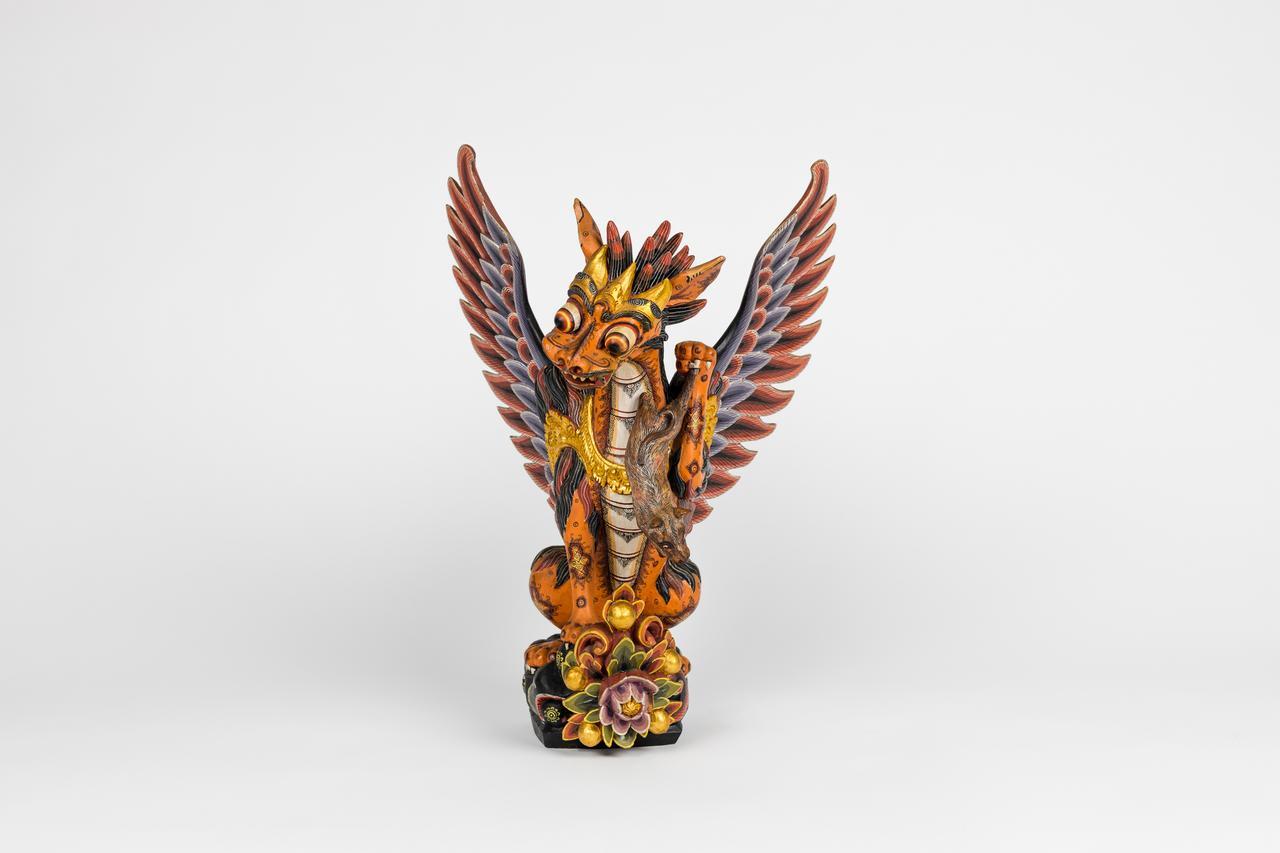
缅甸阿瓦王国朝拜中坐姿弟子木塑像,17世纪,木质,棕黑漆及颜料痕迹,高26 cm(含底座),宽7 cm,深9 cm,无签名,带底座出售,超过200年歷史,来源 Kanaka The Collection,葡萄牙,附真实性证书。
AI辅助摘要
卖家的描述
Disciple Figurine in Prayer
Kingdom of Ava (17th century)
Myanmar
Carved wood, brown/black lacquer (thit-si) and traces of pigments
Height: 26 cm (including base)
This statuette is a rare and charming example of monastic art from the Ava kingdom. Far from the court bronzes standardized, the wood sculpture of this period captivates with its spontaneity, naive fervor, and the introspective gentleness that emanates from the pose. The preservation of its original lacquer makes it a preferred piece for studying Burmese lacquer techniques and 17th-century Buddhist devotion in Burma.
This monoxylous wooden work represents a kneeling disciple in a devout pose on a lotus-form pedestal. The figure is depicted with hands joined in front of the chest in the gesture of salutation and respect (anjali mudra), with fingers pointing upward.
The face features the typical and endearing characteristics of Ava-era statuary. Stylized and naive traits, almost rudimentary yet deeply expressive. Almond-shaped eyes slightly protuberant and lowered in a sign of contemplation. Prominent eyebrows and a broad nose above closed lips displaying a serene smile. Ears with elongated lobes fall along the neck, recalling traditional Buddhist iconography. The hairstyle, visible from different angles, shows hair shaved or arranged in fine geometric strands outlined by a clear border on the forehead. The monastic garment or devotee’s robe drapes the body fluidly. On the back, the drapery folds are finely engraved in the mass, emphasizing the backward curve of the back and falling into a central festooned band at the heels. The figure rests on a sculpted base of broad lotus petals double inverted, a classical symbol of spiritual purity.
State of Conservation: The statuette bears witness to superb antiquity and prolonged devotional use. It retains a thick layer of traditional Burmese lacquer (thit-si), which has beautifully crazed over time across the entire body, creating a dense and authentic network of craquelure. A significant loss of material and lacquer is noted at the back of the skull, exposing the raw bare wood. The wooden base also shows slight erosions and surface wear at the edges, typical of pieces from this period that survived tropical climates.
Provenance: Kanaka The Collection, Portugal
Shipped with certificate of authenticity
Shipped with UPS
卖家故事
Kanaka The Collection 是一家位于葡萄牙的网页画廊,专注于亚洲艺术,特别关注东南亚艺术。
拥有超过二十年的经验与对亚洲艺术的热情,我们提供精心策划的雕塑、陶瓷及来自亚洲各地的艺术品,挑选标准是艺术质量、真实性与历史价值。
每件作品都经过专业包装,我们向全球的收藏家与机构发货。
我们在每次收购前后都愿意亲自为收藏家提供协助。
使用Google翻译翻译Disciple Figurine in Prayer
Kingdom of Ava (17th century)
Myanmar
Carved wood, brown/black lacquer (thit-si) and traces of pigments
Height: 26 cm (including base)
This statuette is a rare and charming example of monastic art from the Ava kingdom. Far from the court bronzes standardized, the wood sculpture of this period captivates with its spontaneity, naive fervor, and the introspective gentleness that emanates from the pose. The preservation of its original lacquer makes it a preferred piece for studying Burmese lacquer techniques and 17th-century Buddhist devotion in Burma.
This monoxylous wooden work represents a kneeling disciple in a devout pose on a lotus-form pedestal. The figure is depicted with hands joined in front of the chest in the gesture of salutation and respect (anjali mudra), with fingers pointing upward.
The face features the typical and endearing characteristics of Ava-era statuary. Stylized and naive traits, almost rudimentary yet deeply expressive. Almond-shaped eyes slightly protuberant and lowered in a sign of contemplation. Prominent eyebrows and a broad nose above closed lips displaying a serene smile. Ears with elongated lobes fall along the neck, recalling traditional Buddhist iconography. The hairstyle, visible from different angles, shows hair shaved or arranged in fine geometric strands outlined by a clear border on the forehead. The monastic garment or devotee’s robe drapes the body fluidly. On the back, the drapery folds are finely engraved in the mass, emphasizing the backward curve of the back and falling into a central festooned band at the heels. The figure rests on a sculpted base of broad lotus petals double inverted, a classical symbol of spiritual purity.
State of Conservation: The statuette bears witness to superb antiquity and prolonged devotional use. It retains a thick layer of traditional Burmese lacquer (thit-si), which has beautifully crazed over time across the entire body, creating a dense and authentic network of craquelure. A significant loss of material and lacquer is noted at the back of the skull, exposing the raw bare wood. The wooden base also shows slight erosions and surface wear at the edges, typical of pieces from this period that survived tropical climates.
Provenance: Kanaka The Collection, Portugal
Shipped with certificate of authenticity
Shipped with UPS
卖家故事
Kanaka The Collection 是一家位于葡萄牙的网页画廊,专注于亚洲艺术,特别关注东南亚艺术。
拥有超过二十年的经验与对亚洲艺术的热情,我们提供精心策划的雕塑、陶瓷及来自亚洲各地的艺术品,挑选标准是艺术质量、真实性与历史价值。
每件作品都经过专业包装,我们向全球的收藏家与机构发货。
我们在每次收购前后都愿意亲自为收藏家提供协助。
使用Google翻译翻译详细资料
时代
1400-1900
Over 200 years old
是的
国家
缅甸
材质
木
作品名称
Adorant - Ava Kingdom - 17th century
签名
未签名
Sold with stand
是的
状态
良好状态
高度
26 cm
宽度
7 cm
深度
9 cm