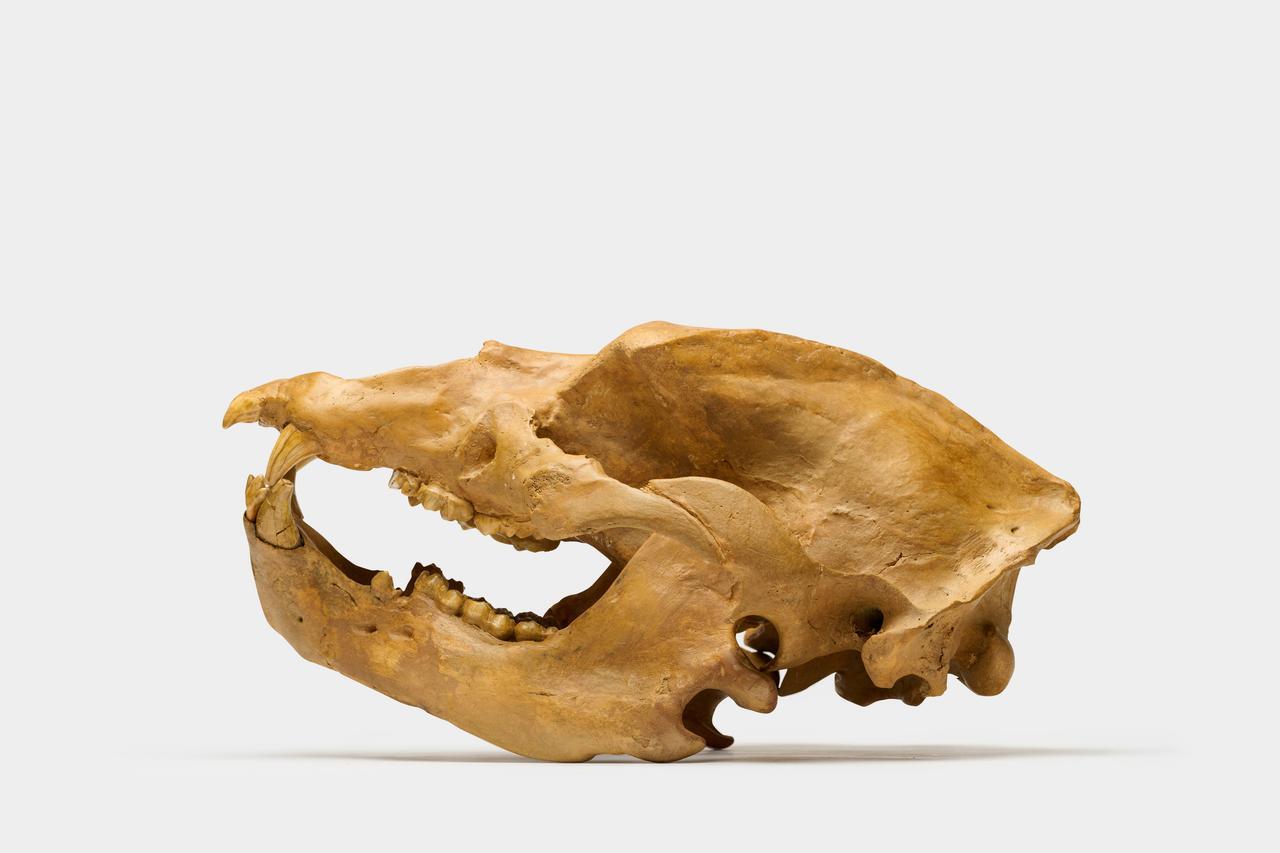
化石 - 矩阵化石 - Keichousaurus sp. - 21 cm - 16 cm (没有保留价)


04
天
12
小时
46
分钟
02
秒

 | €50 |
|---|
Catawiki买家保障
在您收到物品之前,您的付款将在我们这里受到安全保管。查看详细信息
Trustpilot 4.4分 | 140482条评论
在Trustpilot上被评为优秀。
Keichousaurus sp., Triassic 时期的化石标本,经过保存处理,天然状态,尺寸为 21 × 16 × 1 cm,长度约 23 cm。
AI辅助摘要
卖家的描述
无保留价格!
Male Keichousaurus fossil has a very protruding breastbone, the animal is about 23 cm long (without bending). The general situation is abdominal type, the details are very clear and three-dimensional. Matrix:21*16*1 cm. However, the feet were not well preserved.
Keichousaurus fossil always use the grinding method to clean, but this method will destroy the original fossil structure. If sandblasting is used, the fossil has been cleaned to perfection and it will be more taught to its original skeletal shape.
Keichousaurus (key-cho-saurus) is a genus of marine reptile in the pachypleurosaur family which went extinct at the close of the Triassic in the Triassic-Jurassic extinction event. The name derives from Kweichow (now Guizhou Province) in China where the first fossil specimen was discovered in 1957. They are among the most common sauropterygian fossils recovered and are often found as nearly complete, articulated skeletons, making them popular among collectors.
无保留价格!
Male Keichousaurus fossil has a very protruding breastbone, the animal is about 23 cm long (without bending). The general situation is abdominal type, the details are very clear and three-dimensional. Matrix:21*16*1 cm. However, the feet were not well preserved.
Keichousaurus fossil always use the grinding method to clean, but this method will destroy the original fossil structure. If sandblasting is used, the fossil has been cleaned to perfection and it will be more taught to its original skeletal shape.
Keichousaurus (key-cho-saurus) is a genus of marine reptile in the pachypleurosaur family which went extinct at the close of the Triassic in the Triassic-Jurassic extinction event. The name derives from Kweichow (now Guizhou Province) in China where the first fossil specimen was discovered in 1957. They are among the most common sauropterygian fossils recovered and are often found as nearly complete, articulated skeletons, making them popular among collectors.
详细资料
标本
化石
科学名称
Keichousaurus sp.
地质时期
三叠纪 (2.519-2.013 亿年)
状态
自然的
处理
Conserved
高度
21 cm
宽度
16 cm
深度
1 cm
真伪
原始的/正式的