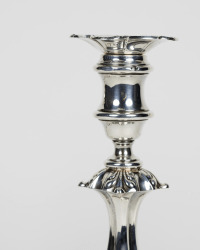
master silversmith - 香料塔 - .800 银 - 古董镂花 Besamim 香料盒


04
天
18
小时
06
分钟
09
秒

 | €51 |
|---|
Catawiki买家保障
在您收到物品之前,您的付款将在我们这里受到安全保管。查看详细信息
Trustpilot 4.4分 | 142317条评论
在Trustpilot上被评为优秀。
德国纽伦堡出品的早19世纪银丝工艺 Besamim 香塔,约1800–1830年,16 cm 高,直径4.5 cm,银含量.800,底座有三枚印记,由大师银匠打造,状态良好。
AI辅助摘要
卖家的描述
Rare Early 19th Century German Filigree Silver Besamim Spice Tower – Nuremberg, Triple Hallmarked
Item Overview
* Object: Judaica / Havdalah Besamim Spice Tower
* Origin: Nuremberg, Germany
* Period: Early 19th Century (c. 1800–1830)
* Material: Solid Silver / Fine Silver Filigree
* Hallmarks: 3 original stamps on the base (Nuremberg town mark, silver standard, and maker’s mark)
* Technique: Hand-crafted wirework (Drahtarbeit) and fabricated silver sheet
Dimensions
16 cm height
4.5 cm diameter
Description
An exceptional piece of historic European Judaica, this antique Besamim (spice tower) was hand-crafted in Nuremberg during the early 19th century. Used during the Havdalah ceremony at the close of the Sabbath to smell aromatic spices (such as cloves or cinnamon), the tower features intricate filigree scrollwork forming the central spice chamber, topped with classic architectural spire details characteristic of historic German Judaica.
The piece balances delicate silver filigree with structural stability, resting on a molded base distinctly struck three times with period hallmarks.
Nuremberg Silver & Rarity
Nuremberg holds a storied place in European metalworking, renowned since the 16th century for producing architectural silver items and master-level filigree work. The castle-tower design itself originated in central Europe, inspired by medieval German town watchtowers and steeples.
Early 19th-century German silver Judaica—especially hallmarked pieces from Nuremberg—is exceptionally rare today due to key historical factors:
* Guild Rules: Prior to full Jewish emancipation in 19th-century Germany, Jewish craftsmen were generally excluded from silversmith guilds. Ritual items had to be individually commissioned from master Christian goldsmiths or specialized workshops, resulting in limited production volume.
* Historical Destruction & Melting: Huge volumes of pre-modern German Jewish silver were melted down during Napoleonic-era economic hardship, subsequent financial crises, or looted and destroyed during the Holocaust.
* Survival of Hallmarks: Filigree spice towers rarely feature intact hallmarks because delicate wirework provided little surface area for stamping. Finding a base with three clear, surviving Nuremberg marks makes this piece a true museum-quality survival.
Rare Early 19th Century German Filigree Silver Besamim Spice Tower – Nuremberg, Triple Hallmarked
Item Overview
* Object: Judaica / Havdalah Besamim Spice Tower
* Origin: Nuremberg, Germany
* Period: Early 19th Century (c. 1800–1830)
* Material: Solid Silver / Fine Silver Filigree
* Hallmarks: 3 original stamps on the base (Nuremberg town mark, silver standard, and maker’s mark)
* Technique: Hand-crafted wirework (Drahtarbeit) and fabricated silver sheet
Dimensions
16 cm height
4.5 cm diameter
Description
An exceptional piece of historic European Judaica, this antique Besamim (spice tower) was hand-crafted in Nuremberg during the early 19th century. Used during the Havdalah ceremony at the close of the Sabbath to smell aromatic spices (such as cloves or cinnamon), the tower features intricate filigree scrollwork forming the central spice chamber, topped with classic architectural spire details characteristic of historic German Judaica.
The piece balances delicate silver filigree with structural stability, resting on a molded base distinctly struck three times with period hallmarks.
Nuremberg Silver & Rarity
Nuremberg holds a storied place in European metalworking, renowned since the 16th century for producing architectural silver items and master-level filigree work. The castle-tower design itself originated in central Europe, inspired by medieval German town watchtowers and steeples.
Early 19th-century German silver Judaica—especially hallmarked pieces from Nuremberg—is exceptionally rare today due to key historical factors:
* Guild Rules: Prior to full Jewish emancipation in 19th-century Germany, Jewish craftsmen were generally excluded from silversmith guilds. Ritual items had to be individually commissioned from master Christian goldsmiths or specialized workshops, resulting in limited production volume.
* Historical Destruction & Melting: Huge volumes of pre-modern German Jewish silver were melted down during Napoleonic-era economic hardship, subsequent financial crises, or looted and destroyed during the Holocaust.
* Survival of Hallmarks: Filigree spice towers rarely feature intact hallmarks because delicate wirework provided little surface area for stamping. Finding a base with three clear, surviving Nuremberg marks makes this piece a true museum-quality survival.
详细资料
时代
1400-1900
毛重
80 g
银类型
.800 银
标题附加信息
Antique filigree Besamim
国家
德国
材质
银
设计师/艺术家/制作者
master silversmith
状态
状态良好 - 使用过,稍有老化的迹象
高度
16 cm
宽度
0 cm
深度
0 cm
推算时期
1800-1850