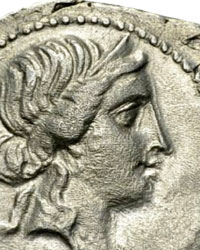
阿苏姆. Ouazebas, c. AD 375-410. Æ (没有保留价)


04
天
20
小时
05
分钟
21
秒

 | €23 | |
|---|---|---|
 | €20 |
Catawiki买家保障
在您收到物品之前,您的付款将在我们这里受到安全保管。查看详细信息
Trustpilot 4.4分 | 143362条评论
在Trustpilot上被评为优秀。
阿克苏姆Æ币, Ouazebas 在位时期(约公元375–410年),正面向右披袍胸像,反面圆边铭文,重量1.41 g,直径16 mm,镀金镶嵌。
AI辅助摘要
卖家的描述
KINGS OF AXUM.
Ouazebas
AE. Circa AD 375-410.
Av: ⧾ OYΛZHCΛC CΛCIΛEYC ("King Ouazebas"), draped bust to right, wearing headcloth, flanked by wheat stalks.
Rv: ⧾ TOYTOΛPCCHTHXѠPΛ ("may this please the country"), small draped bust to right, wearing headcloth; all within circular border.
1,41g 16mm
Hahn & Keck 37a; SACAM 192-217; H 26; AC 54-8; Vaccaro 29.
Samewhat gold inlay on rev.
Condition: as seen in the picture.
Axum Axum or was the capital of a kingdom located in northern Ethiopia in the present province of Tigray. The royal dynasty claimed descent from the Queen of Sheba and King Solomon. The Axumite played an important role in the trade of the Red Sea and were early contact with the Egyptians, Greeks and Romans. Under the reign of Ezana (c. 320-356), the kingdom was evangelized by Frumentius, a Syrian merchant who was consecrated the first bishop of the United Athanasius of Alexandria. After a brilliant period, United entered into decline during the Arab conquests of the seventh century.
The Kingdom of Aksum (also known as the Kingdom of Axum, or the Aksumite Empire) was an ancient kingdom in what is now northern Ethiopia and Eritrea. Ruled by the Aksumites, it existed from approximately 100 AD to 940 AD. The polity was centered in the city of Axum and grew from the proto-Aksumite Iron Age period around the 4th century BC to achieve prominence by the 1st century AD. It became a major player on the commercial route between the Roman Empire and Ancient India. The Aksumite rulers facilitated trade by minting their own Aksumite currency, with the state establishing its hegemony over the declining Kingdom of Kush. It also regularly entered the politics of the kingdoms on the Arabian Peninsula and eventually extended its rule over the region with the conquest of the Himyarite Kingdom. The Manichaei prophet Mani (died 274 AD) regarded Axum as one of the four great powers of his time, the others being Persia, Rome, and China.
The Aksumites erected a number of monumental stelae, which served a religious purpose in pre-Christian times. One of these granite columns is the largest such structure in the world, at 90 feet. Under Ezana (fl. 320-360) Aksum adopted Christianity. In the 7th century, early Muslims from Mecca sought refuge from Quraysh persecution by travelling to the kingdom, a journey known in Islamic history as the First Hijra.
The kingdom's ancient capital, also called Axum, was in northern Ethiopia. The Kingdom used the name "Ethiopia" as early as the 4th century. Tradition claims Axum as the alleged resting place of the Ark of the Covenant and the purported home of the Queen of Sheba.
卖家故事
我们的非洲画廊销售政策摘要。
我们的非洲画廊专注于埃塞俄比亚部落艺术,收集和销售来自非洲各地以及埃塞俄比亚特产的部落二手艺术品。
我们的画廊收藏了来自非洲的真实、原创和传统艺术。该藏品包括面具、雕像、陶器、乐器、手稿、头枕和其他古董、原始艺术品和各种不寻常的物品。
我几乎从不直接从非洲购买。我出售的所有物品都是旧的且(部落)使用过的。我的藏品来自欧美私人收藏、拍卖行、经销商同行以及世界各地的其他收藏家。
该网站让您对我们的库存和活动有一个印象。正宗、博物馆品质的非洲部落艺术品,批发价
我们努力让公众更深入地欣赏高品质的非洲艺术,并让所有收藏家都能接触到它们。
这里展示的高品质面具、雕刻品、雕像、神物、动物雕像、仪式物品和青铜器将为任何家庭增添美感,并为任何收藏增添价值。
此外,对迅速消失的非洲原创部落艺术的需求不断增长,使其成为一项合理的投资。
作为长期经验丰富的收藏家,我们精心挑选和鉴定每件文物。这里展示的是由木材或青铜制成的原创、高品质、手工制作的作品,您可以以画廊价格的一小部分购买!多年的传统使用使许多产品变得与众不同。
我们保证每件商品的真实性和您的完全满意。我们尽一切努力研究和记录每件文物的历史。
在我们的画廊中,您会发现我们精选的库存。如果您发现网站上没有的内容,请告诉我们。我们总是有大量网站上没有的商品库存。
如果您没有看到您想要的商品,请告诉我们。我们也许能为您找到它们。
支架 - 支架不包含在价格中,
运输 - 我们在全球范围内运输。我们会尽力在付款后尽快发货,通常每周发货四次。
合并运费 - 对于多件商品的买家,请在购物后给我们发送电子邮件,以获取可降低运费的合并发票。对于紧急交货,我们可以通过 DHL 安排快递运输(产生的额外费用由买方承担)。
送货 – 在收到我们确认商品已发货的电子邮件后,欧洲境内大多数目的地的送货时间为 2 至 8 个工作日,世界其他地区的送货时间为 16 至 21 个工作日。从荷兰寄出的包裹通过荷兰邮政发送,包裹状态可在线追踪。
退款和退货 – 我们的目标是让您完全满意。如果出于任何原因您对购买的商品不是 100% 满意,请将商品退回给我们以获得全额退款或换货。没有麻烦,没有问题。退款将通过 PayPal 或仅由银行发放。运费不予退还。
请联系我们 – 在竞标或购买商品之前如有任何问题、疑虑或澄清。我们通常能够在 24 小时内回复。为了避免垃圾邮件过滤器,请通过非洲画廊消息系统建立初步联系。
感谢您访问我们的网站!
亲切的问候,
吉斯·范·奎克
使用Google翻译翻译KINGS OF AXUM.
Ouazebas
AE. Circa AD 375-410.
Av: ⧾ OYΛZHCΛC CΛCIΛEYC ("King Ouazebas"), draped bust to right, wearing headcloth, flanked by wheat stalks.
Rv: ⧾ TOYTOΛPCCHTHXѠPΛ ("may this please the country"), small draped bust to right, wearing headcloth; all within circular border.
1,41g 16mm
Hahn & Keck 37a; SACAM 192-217; H 26; AC 54-8; Vaccaro 29.
Samewhat gold inlay on rev.
Condition: as seen in the picture.
Axum Axum or was the capital of a kingdom located in northern Ethiopia in the present province of Tigray. The royal dynasty claimed descent from the Queen of Sheba and King Solomon. The Axumite played an important role in the trade of the Red Sea and were early contact with the Egyptians, Greeks and Romans. Under the reign of Ezana (c. 320-356), the kingdom was evangelized by Frumentius, a Syrian merchant who was consecrated the first bishop of the United Athanasius of Alexandria. After a brilliant period, United entered into decline during the Arab conquests of the seventh century.
The Kingdom of Aksum (also known as the Kingdom of Axum, or the Aksumite Empire) was an ancient kingdom in what is now northern Ethiopia and Eritrea. Ruled by the Aksumites, it existed from approximately 100 AD to 940 AD. The polity was centered in the city of Axum and grew from the proto-Aksumite Iron Age period around the 4th century BC to achieve prominence by the 1st century AD. It became a major player on the commercial route between the Roman Empire and Ancient India. The Aksumite rulers facilitated trade by minting their own Aksumite currency, with the state establishing its hegemony over the declining Kingdom of Kush. It also regularly entered the politics of the kingdoms on the Arabian Peninsula and eventually extended its rule over the region with the conquest of the Himyarite Kingdom. The Manichaei prophet Mani (died 274 AD) regarded Axum as one of the four great powers of his time, the others being Persia, Rome, and China.
The Aksumites erected a number of monumental stelae, which served a religious purpose in pre-Christian times. One of these granite columns is the largest such structure in the world, at 90 feet. Under Ezana (fl. 320-360) Aksum adopted Christianity. In the 7th century, early Muslims from Mecca sought refuge from Quraysh persecution by travelling to the kingdom, a journey known in Islamic history as the First Hijra.
The kingdom's ancient capital, also called Axum, was in northern Ethiopia. The Kingdom used the name "Ethiopia" as early as the 4th century. Tradition claims Axum as the alleged resting place of the Ark of the Covenant and the purported home of the Queen of Sheba.
卖家故事
我们的非洲画廊销售政策摘要。
我们的非洲画廊专注于埃塞俄比亚部落艺术,收集和销售来自非洲各地以及埃塞俄比亚特产的部落二手艺术品。
我们的画廊收藏了来自非洲的真实、原创和传统艺术。该藏品包括面具、雕像、陶器、乐器、手稿、头枕和其他古董、原始艺术品和各种不寻常的物品。
我几乎从不直接从非洲购买。我出售的所有物品都是旧的且(部落)使用过的。我的藏品来自欧美私人收藏、拍卖行、经销商同行以及世界各地的其他收藏家。
该网站让您对我们的库存和活动有一个印象。正宗、博物馆品质的非洲部落艺术品,批发价
我们努力让公众更深入地欣赏高品质的非洲艺术,并让所有收藏家都能接触到它们。
这里展示的高品质面具、雕刻品、雕像、神物、动物雕像、仪式物品和青铜器将为任何家庭增添美感,并为任何收藏增添价值。
此外,对迅速消失的非洲原创部落艺术的需求不断增长,使其成为一项合理的投资。
作为长期经验丰富的收藏家,我们精心挑选和鉴定每件文物。这里展示的是由木材或青铜制成的原创、高品质、手工制作的作品,您可以以画廊价格的一小部分购买!多年的传统使用使许多产品变得与众不同。
我们保证每件商品的真实性和您的完全满意。我们尽一切努力研究和记录每件文物的历史。
在我们的画廊中,您会发现我们精选的库存。如果您发现网站上没有的内容,请告诉我们。我们总是有大量网站上没有的商品库存。
如果您没有看到您想要的商品,请告诉我们。我们也许能为您找到它们。
支架 - 支架不包含在价格中,
运输 - 我们在全球范围内运输。我们会尽力在付款后尽快发货,通常每周发货四次。
合并运费 - 对于多件商品的买家,请在购物后给我们发送电子邮件,以获取可降低运费的合并发票。对于紧急交货,我们可以通过 DHL 安排快递运输(产生的额外费用由买方承担)。
送货 – 在收到我们确认商品已发货的电子邮件后,欧洲境内大多数目的地的送货时间为 2 至 8 个工作日,世界其他地区的送货时间为 16 至 21 个工作日。从荷兰寄出的包裹通过荷兰邮政发送,包裹状态可在线追踪。
退款和退货 – 我们的目标是让您完全满意。如果出于任何原因您对购买的商品不是 100% 满意,请将商品退回给我们以获得全额退款或换货。没有麻烦,没有问题。退款将通过 PayPal 或仅由银行发放。运费不予退还。
请联系我们 – 在竞标或购买商品之前如有任何问题、疑虑或澄清。我们通常能够在 24 小时内回复。为了避免垃圾邮件过滤器,请通过非洲画廊消息系统建立初步联系。
感谢您访问我们的网站!
亲切的问候,
吉斯·范·奎克
使用Google翻译翻译详细资料
时代
1400年之前
文化/地区
阿苏姆
统治者
Ouazebas, c. AD 375-410
面额
Æ
金属
Æ
状态
未评级