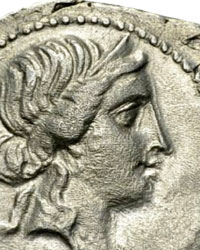
羅馬共和國 Triens after 211 BC, uncertain mint (沒有保留價)


03
天
16
小時
01
分鐘
13
秒

沒有出價記錄
Catawiki買家保障
在您收到物品前,我們會妥善保管您的付款。查看詳情
Trustpilot評分 4.4 | 126253 則評論
在Trustpilot獲得極佳評等。
羅馬共和國無記名銅幣,AE 三分幣,西元前 211 年後鑄造,重量 5.64 g,鑄幣地未明;正面為戴盔的密涅瓦向右,頭上方有四顆小點;背面為 ROMA 向右的船首,下方有四顆小點;參考 Crawford 56/4、Sydenham 143b、RBW 208;將以掛號郵寄寄出。
AI輔助摘要
賣家描述
古代罗马共和国
无记名铸造。公元前211年之后。AE triens(5.64 g)。铸造地不确定。头盔盔饰的米涅瓦右侧头像;上方四颗小点 / ROMA,船头向右;下方四颗小点。参见 Crawford 56/4。Sydenham 143b。RBW 208。
引用 RBW 目录中罗伯托·鲁索的一段注解:“This...belong[s] to an anonymous light series which includes triens, quadrans and sextans. In our opinion, this series was not identified by Crawford. The coins in this series are always overstruck and almost always on Sardo-Punic coins. Not only does this serve as unequivocal proof that they should be dated slightly after 212 and that the mint is Sardinian, but it also confirms the fiduciary value of bronze and proves that the light and heavy series were entirely contemporaneous. The Sardinian populations were accustomed to a fiduciary system which would explain why they decided to use the flans of the abundant Sardo-Punic bronze coins already at their disposal rather than melt them down to produce new flans of more precise weight.”
“McCabe (“The anonymous struck bronze coinage of the Roman Republic,” Essays Russo, p. 176), has called into question the claim that these coins are always struck on Sardo-Punic coins. He notes: “The presence of certainly Italian and Sicilian undertypes, as well as the fact that some are overstrikes on earlier Roman coins makes the picture less certain. It may be that they come from more than one mint in Sardinia, southern Italy and/or Sicily.”
请查看图片以获得正确的印象。
将通过挂号信寄出。
賣家的故事
收集
由Google翻譯翻譯古代罗马共和国
无记名铸造。公元前211年之后。AE triens(5.64 g)。铸造地不确定。头盔盔饰的米涅瓦右侧头像;上方四颗小点 / ROMA,船头向右;下方四颗小点。参见 Crawford 56/4。Sydenham 143b。RBW 208。
引用 RBW 目录中罗伯托·鲁索的一段注解:“This...belong[s] to an anonymous light series which includes triens, quadrans and sextans. In our opinion, this series was not identified by Crawford. The coins in this series are always overstruck and almost always on Sardo-Punic coins. Not only does this serve as unequivocal proof that they should be dated slightly after 212 and that the mint is Sardinian, but it also confirms the fiduciary value of bronze and proves that the light and heavy series were entirely contemporaneous. The Sardinian populations were accustomed to a fiduciary system which would explain why they decided to use the flans of the abundant Sardo-Punic bronze coins already at their disposal rather than melt them down to produce new flans of more precise weight.”
“McCabe (“The anonymous struck bronze coinage of the Roman Republic,” Essays Russo, p. 176), has called into question the claim that these coins are always struck on Sardo-Punic coins. He notes: “The presence of certainly Italian and Sicilian undertypes, as well as the fact that some are overstrikes on earlier Roman coins makes the picture less certain. It may be that they come from more than one mint in Sardinia, southern Italy and/or Sicily.”
请查看图片以获得正确的印象。
将通过挂号信寄出。
賣家的故事
收集
由Google翻譯翻譯詳細資料
時代
1400年前
文化/地區
羅馬共和國
額外資料
after 211 BC, uncertain mint
Denomination
Triens
金屬
Æ
狀態
未分類
重量
5,64 g