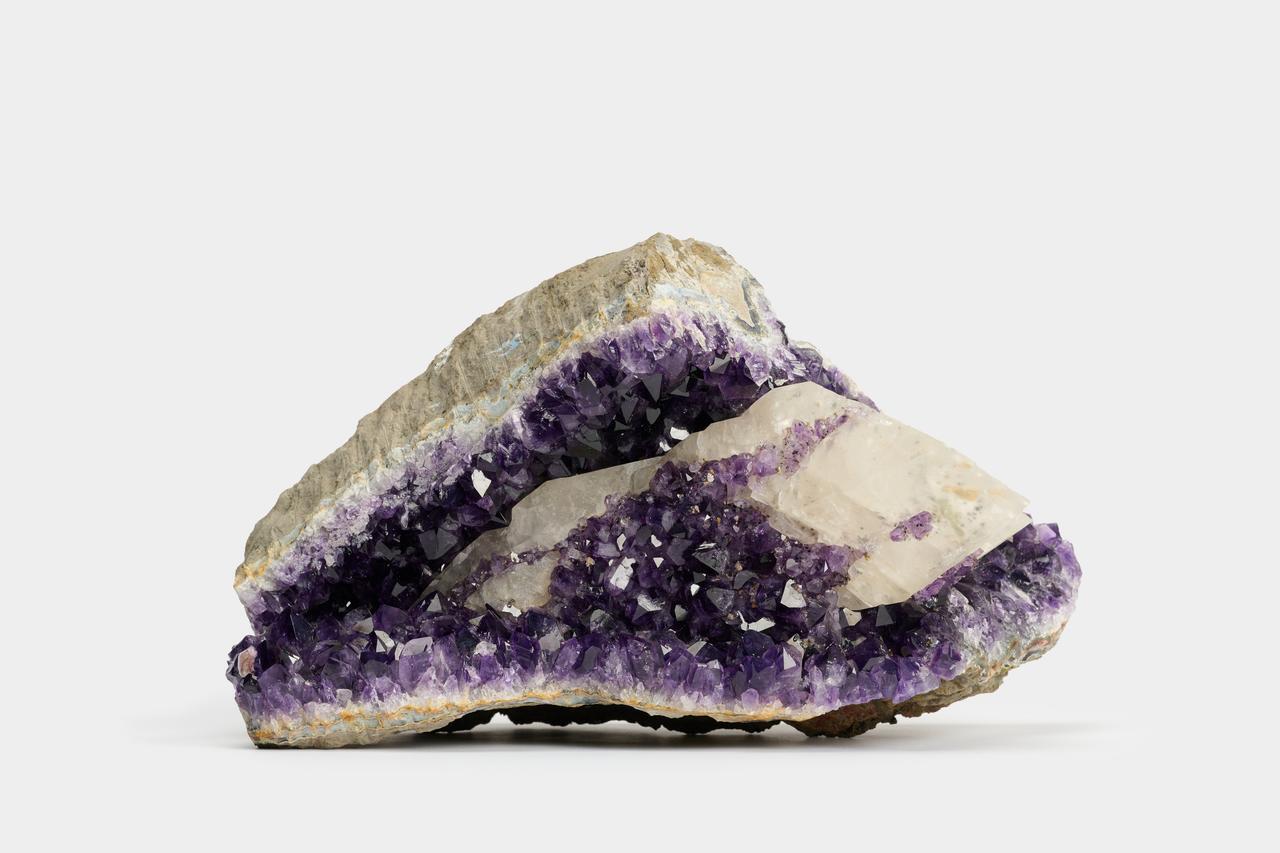
免费配送 10.70 卡拉 天然埃塞俄比亚欧泊 弧面形 - 高度: 7 mm - 闊度: 5 mm- 1.7 g


01
天
20
小時
51
分鐘
03
秒

另有17人對此物品感興趣
 競投者 6539 競投者 6539 | €4 | |
|---|---|---|
 競投者 3809 競投者 3809 | €3 |
Catawiki買家保障
在您收到物品前,我們會妥善保管您的付款。查看詳情
Trustpilot評分 4.4 | 130109 則評論
在Trustpilot獲得極佳評等。
自然埃塞俄比亞沃洛產的埃塞俄比亞橢圓形瑪瑙寶石,7 公釐高,5 公釐寬,深度 3 公釐,重量 1.70 公克,透明度介於半透明至不透明。
AI輔助摘要
賣家描述
天然埃塞俄比亚圆抛欧泊
净度:从半透明到不透明;
为了尽可能真实再现物品,使用高分辨率相机在不同背景下拍摄图片。
全球发货,使用挂号邮件并附追踪号码。
摄影设置
所有商品均在室内环境中,使用高分辨率相机进行放大拍摄,采用 5000 K LED 照明,色温尽量接近自然光。照片未做任何修改,除了裁剪。
客服
您可随时通过 Catawiki 的消息系统与我们联系,获取您感兴趣物品的更多信息,我们会尽快回复。
运输
全球发货,采用挂号信并提供追踪号码。我们提供合并运输以尽量降低邮费。
退货
我们始终尽力而为,但如果有任何不满意之处,依据相关规定并基于我们个人的判断,保证对不满意购买的客户给予退款,理由不限。
感谢关注,祝你出价愉快!
An opal is a hydrated form of silica with a water content ranging from 3 to 21%.Indeed, it is this permeability to water that makes it a hydrophile.
Opals are deposited at a relatively low temperature and may occur in the fissures of almost any kind of rock, being most commonly found with limonite, sandstone, rhyolite, marl, and basalt. Precious opals show a variable interplay of internal colors.
At microscopic scales, precious opal is composed of silica spheres some 150 to 300 nm in diameter in a hexagonal or cubic close-packed lattice. These ordered silica spheres produce the internal colors by causing the interference and diffraction of light passing through the microstructure of the opal.
天然埃塞俄比亚圆抛欧泊
净度:从半透明到不透明;
为了尽可能真实再现物品,使用高分辨率相机在不同背景下拍摄图片。
全球发货,使用挂号邮件并附追踪号码。
摄影设置
所有商品均在室内环境中,使用高分辨率相机进行放大拍摄,采用 5000 K LED 照明,色温尽量接近自然光。照片未做任何修改,除了裁剪。
客服
您可随时通过 Catawiki 的消息系统与我们联系,获取您感兴趣物品的更多信息,我们会尽快回复。
运输
全球发货,采用挂号信并提供追踪号码。我们提供合并运输以尽量降低邮费。
退货
我们始终尽力而为,但如果有任何不满意之处,依据相关规定并基于我们个人的判断,保证对不满意购买的客户给予退款,理由不限。
感谢关注,祝你出价愉快!
An opal is a hydrated form of silica with a water content ranging from 3 to 21%.Indeed, it is this permeability to water that makes it a hydrophile.
Opals are deposited at a relatively low temperature and may occur in the fissures of almost any kind of rock, being most commonly found with limonite, sandstone, rhyolite, marl, and basalt. Precious opals show a variable interplay of internal colors.
At microscopic scales, precious opal is composed of silica spheres some 150 to 300 nm in diameter in a hexagonal or cubic close-packed lattice. These ordered silica spheres produce the internal colors by causing the interference and diffraction of light passing through the microstructure of the opal.
詳細資料
主要物質
Free shipping. 10.70 ct. Natural Ethiopian Opals
礦物成分
弧面形
重量
1,7 g
原產地(地區/城市)
Wello
原產國
衣索匹亞
Height
7 mm
Width
5 mm
Depth
3 mm