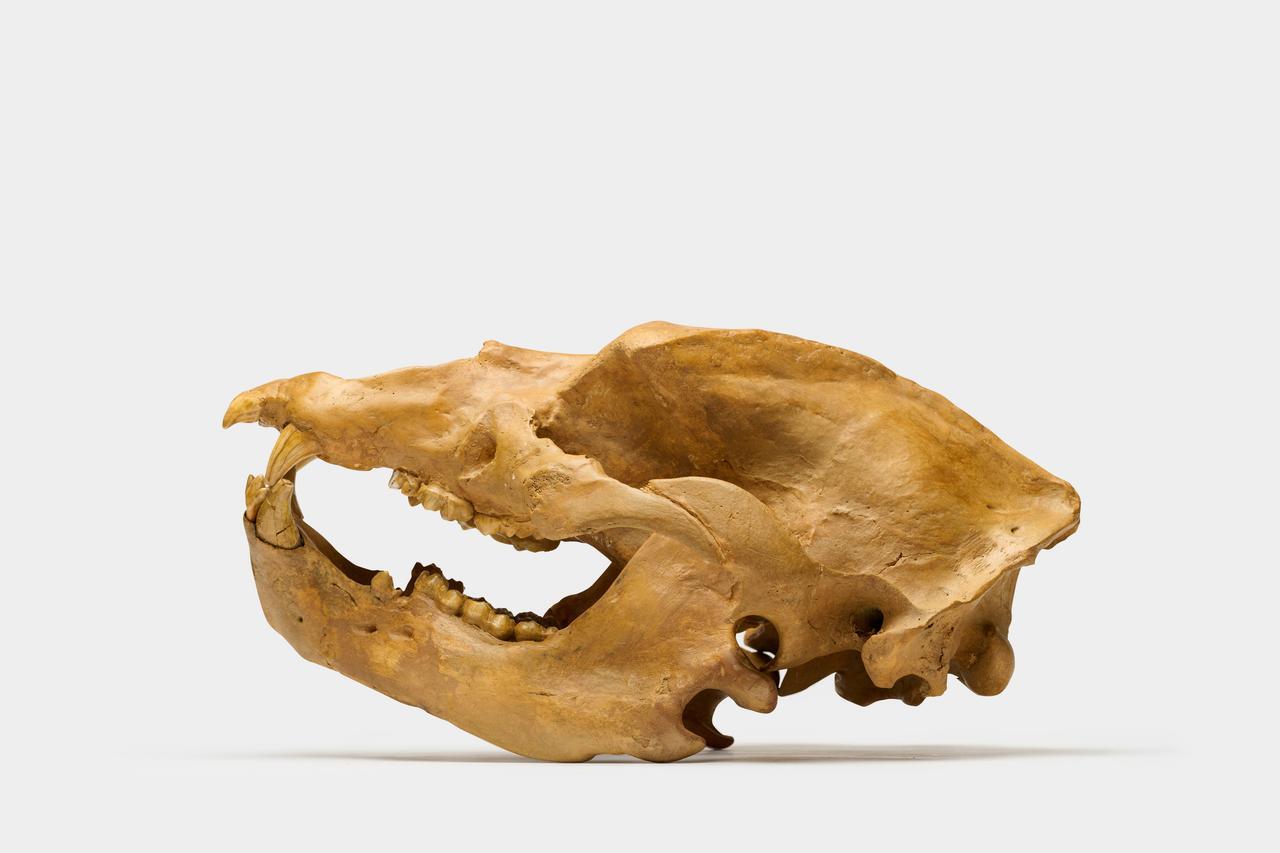
出色的部分根部保留的 Triceratops horridus(三角龙)牙齿 - 晚白垩纪 - - 牙齒化石


03
天
23
小時
40
分鐘
55
秒

 | €2 | |
|---|---|---|
 | €1 |
Catawiki買家保障
在您收到物品前,我們會妥善保管您的付款。查看詳情
Trustpilot評分 4.4 | 139284 則評論
在Trustpilot獲得極佳評等。
三角龍牙 Triceratops horridus,傑出部分根部牙齒,晚白堽紀 Maastrichtian,Lance Formation,懷俄明州,美國;自然狀態,原始真實性;尺寸約1.4 cm。
AI輔助摘要
賣家描述
Scientific name: Triceratops horridus, Marsh 1889 (ceratopsid three-horned Dinosaur) - Tooth
Location: Weston Co., Wyoming (USA). Private land.
Geological Formation: Lance Creek Formation
Age: Late Cretaceous, Maastrichtian stage (~68-66 Million Years)
Size: 1.4cm
REF.: #J613
DESCRIPTION:
Outstanding partially rooted tooth with nicely preserved enamel and well developed feeding wear.
Triceratops horridus from the Lance Formation refers to fossils of the iconic three-horned dinosaur found in the Late Cretaceous rocks of Wyoming and surrounding areas, often characterized by its longer snout and brow horns compared to T. prorsus, representing a common, earlier form in the dinosaur's evolutionary lineage before the later prorsus emerged just before the K-Pg extinction.
These fossils, including teeth, horns, and bone fragments, are key to understanding Triceratops evolution, with horridus showing features like a short nasal horn and forward-angled brow horns, distinct from its descendant.
Key Information:
Triceratops horridus: One of the two recognized species of Triceratops, known for its distinctive "three-horned face," herbivorous diet, and large frill used for defense or display.
Lance Formation (L Fm.): A geological unit in the western United States (Wyoming, Montana, Dakotas) famous for its rich Late Cretaceous fossils, including many Triceratops specimens, dating to around 66 million years ago.
Physical Characteristics: T. horridus typically has a more elongated snout and brow horns that point forward and slightly outward, distinguishing it from T. prorsus, which has a shorter face and more upright brow horns.
Evolution: T. horridus is considered an ancestral species, evolving into T. prorsus in a linear fashion (anagenesis) just before the non-avian dinosaurs died out.
Significance:
Fossils from the Lance Fm. provide critical evidence of Triceratops' appearance, behavior (e.g., feeding, social behavior), and its final evolutionary stages.
In essence, "Triceratops horridus Lance Fm" describes fossils of the classic Triceratops found in a specific, fossil-rich geological layer from the end of the dinosaur age, representing a significant species in the genus's lineage.
All of our fossils come with a Certificate of Authenticity. Every week, the issued Certificates of Authenticity are updated in our database verification system on our website. If you find that your certificate has not yet been updated, please contact us and we will update it immediately. Display box included.
賣家的故事
Jurassic Dreams 是全球最大的线上恐龙化石商店,作为获得真实化石标本最值得信赖的来源,独树一帜。我们是唯一由获认证的地质学家与古生物学专家共同拥有的领先线上化石商店。此外,我们还拥有来自宇宙各地的非凡真实陨石标本。
货架上有数十种不同标本……我们的客户一次次回头。因为简单来说,我们的终身保修无与伦比。
我名叫 Juan A. Poblador,在马德里大学和阿利坎特大学拥有扎实的古生物学与地质学学术背景。我从事恐龙化石挖掘工作超过十年,地点遍及欧洲与非洲等多地。撰写每一件标本的科学准确描述,是我工作中最耗时的任务之一。显然,识别假冒和修复过的化石对我来说是本能。因此,你可以肯定本网站的每一件化石都经过我仔细筛选与检验。
多年来,我为收藏家与化石爱好者提供服务,也向博物馆与机构供货。我将对重要标本的研究与学习,与展览和其他发现的销售结合起来,这有助于资助新的考察。
此外,我还拥有一支小型后勤支持团队,已由我亲自培训,确保能够妥善处理与包装化石,使其在24小时内发出并完好无损地送达。
最后但同样重要的是,我有幸与其他经验丰富的古生物学家建立了广泛的网络,在那里了解最罕见的物品、新发现以及前往偏远采石场的探险之旅……如果我遇到不知道的事,古生物学界的同行们会给予真正有用的帮助。
我喜欢把 Jurassic Dreams 打造成一个精心策划的线上博物馆级展览平台。我本人也是收藏家,乐于与其他收藏家分享知识。这就是为什么当你有疑问或购买时,我都会回复你的邮件,并为你提供个性化的化石选择体验。
Jurassic Dreams 自豪地成为应用古生物科学协会(AAPS)的成员并遵守其伦理准则。应用古生物科学协会的要求符合国家科学院关于化石收藏的建议,以及规范的商业实践与伦理。
此外,我们是国际陨石收藏家协会(IMCA)的认证成员 #5681,以及全球陨石协会(GMA) G0043 的认证成员。IMCA 与 GMA 是帮助陨石收藏家寻找真实陨石、拓展收藏知识、并协助他人了解陨石的最具声望的协会。
我们出售的每一件化石都附有免费提供的实体真实性证书。这是我们的终身保障。证书由古生物学专家 Juan A. Poblador 为每件化石单独撰写,包含准确的科学描述,证书的有效性可随时在线验证。此外,我们还提供 100% 的退款保证。
由Google翻譯翻譯Scientific name: Triceratops horridus, Marsh 1889 (ceratopsid three-horned Dinosaur) - Tooth
Location: Weston Co., Wyoming (USA). Private land.
Geological Formation: Lance Creek Formation
Age: Late Cretaceous, Maastrichtian stage (~68-66 Million Years)
Size: 1.4cm
REF.: #J613
DESCRIPTION:
Outstanding partially rooted tooth with nicely preserved enamel and well developed feeding wear.
Triceratops horridus from the Lance Formation refers to fossils of the iconic three-horned dinosaur found in the Late Cretaceous rocks of Wyoming and surrounding areas, often characterized by its longer snout and brow horns compared to T. prorsus, representing a common, earlier form in the dinosaur's evolutionary lineage before the later prorsus emerged just before the K-Pg extinction.
These fossils, including teeth, horns, and bone fragments, are key to understanding Triceratops evolution, with horridus showing features like a short nasal horn and forward-angled brow horns, distinct from its descendant.
Key Information:
Triceratops horridus: One of the two recognized species of Triceratops, known for its distinctive "three-horned face," herbivorous diet, and large frill used for defense or display.
Lance Formation (L Fm.): A geological unit in the western United States (Wyoming, Montana, Dakotas) famous for its rich Late Cretaceous fossils, including many Triceratops specimens, dating to around 66 million years ago.
Physical Characteristics: T. horridus typically has a more elongated snout and brow horns that point forward and slightly outward, distinguishing it from T. prorsus, which has a shorter face and more upright brow horns.
Evolution: T. horridus is considered an ancestral species, evolving into T. prorsus in a linear fashion (anagenesis) just before the non-avian dinosaurs died out.
Significance:
Fossils from the Lance Fm. provide critical evidence of Triceratops' appearance, behavior (e.g., feeding, social behavior), and its final evolutionary stages.
In essence, "Triceratops horridus Lance Fm" describes fossils of the classic Triceratops found in a specific, fossil-rich geological layer from the end of the dinosaur age, representing a significant species in the genus's lineage.
All of our fossils come with a Certificate of Authenticity. Every week, the issued Certificates of Authenticity are updated in our database verification system on our website. If you find that your certificate has not yet been updated, please contact us and we will update it immediately. Display box included.
賣家的故事
Jurassic Dreams 是全球最大的线上恐龙化石商店,作为获得真实化石标本最值得信赖的来源,独树一帜。我们是唯一由获认证的地质学家与古生物学专家共同拥有的领先线上化石商店。此外,我们还拥有来自宇宙各地的非凡真实陨石标本。
货架上有数十种不同标本……我们的客户一次次回头。因为简单来说,我们的终身保修无与伦比。
我名叫 Juan A. Poblador,在马德里大学和阿利坎特大学拥有扎实的古生物学与地质学学术背景。我从事恐龙化石挖掘工作超过十年,地点遍及欧洲与非洲等多地。撰写每一件标本的科学准确描述,是我工作中最耗时的任务之一。显然,识别假冒和修复过的化石对我来说是本能。因此,你可以肯定本网站的每一件化石都经过我仔细筛选与检验。
多年来,我为收藏家与化石爱好者提供服务,也向博物馆与机构供货。我将对重要标本的研究与学习,与展览和其他发现的销售结合起来,这有助于资助新的考察。
此外,我还拥有一支小型后勤支持团队,已由我亲自培训,确保能够妥善处理与包装化石,使其在24小时内发出并完好无损地送达。
最后但同样重要的是,我有幸与其他经验丰富的古生物学家建立了广泛的网络,在那里了解最罕见的物品、新发现以及前往偏远采石场的探险之旅……如果我遇到不知道的事,古生物学界的同行们会给予真正有用的帮助。
我喜欢把 Jurassic Dreams 打造成一个精心策划的线上博物馆级展览平台。我本人也是收藏家,乐于与其他收藏家分享知识。这就是为什么当你有疑问或购买时,我都会回复你的邮件,并为你提供个性化的化石选择体验。
Jurassic Dreams 自豪地成为应用古生物科学协会(AAPS)的成员并遵守其伦理准则。应用古生物科学协会的要求符合国家科学院关于化石收藏的建议,以及规范的商业实践与伦理。
此外,我们是国际陨石收藏家协会(IMCA)的认证成员 #5681,以及全球陨石协会(GMA) G0043 的认证成员。IMCA 与 GMA 是帮助陨石收藏家寻找真实陨石、拓展收藏知识、并协助他人了解陨石的最具声望的协会。
我们出售的每一件化石都附有免费提供的实体真实性证书。这是我们的终身保障。证书由古生物学专家 Juan A. Poblador 为每件化石单独撰写,包含准确的科学描述,证书的有效性可随时在线验证。此外,我们还提供 100% 的退款保证。
由Google翻譯翻譯詳細資料
標本
Outstanding Partially Rooted Triceratops horridus three-horned Dinosaur Tooth - Late Cretaceous -
地質時期
Late Cretaceous, Maastrichtian stage (~68-66 Million Years)
狀態
自然
真偽
原創/正版