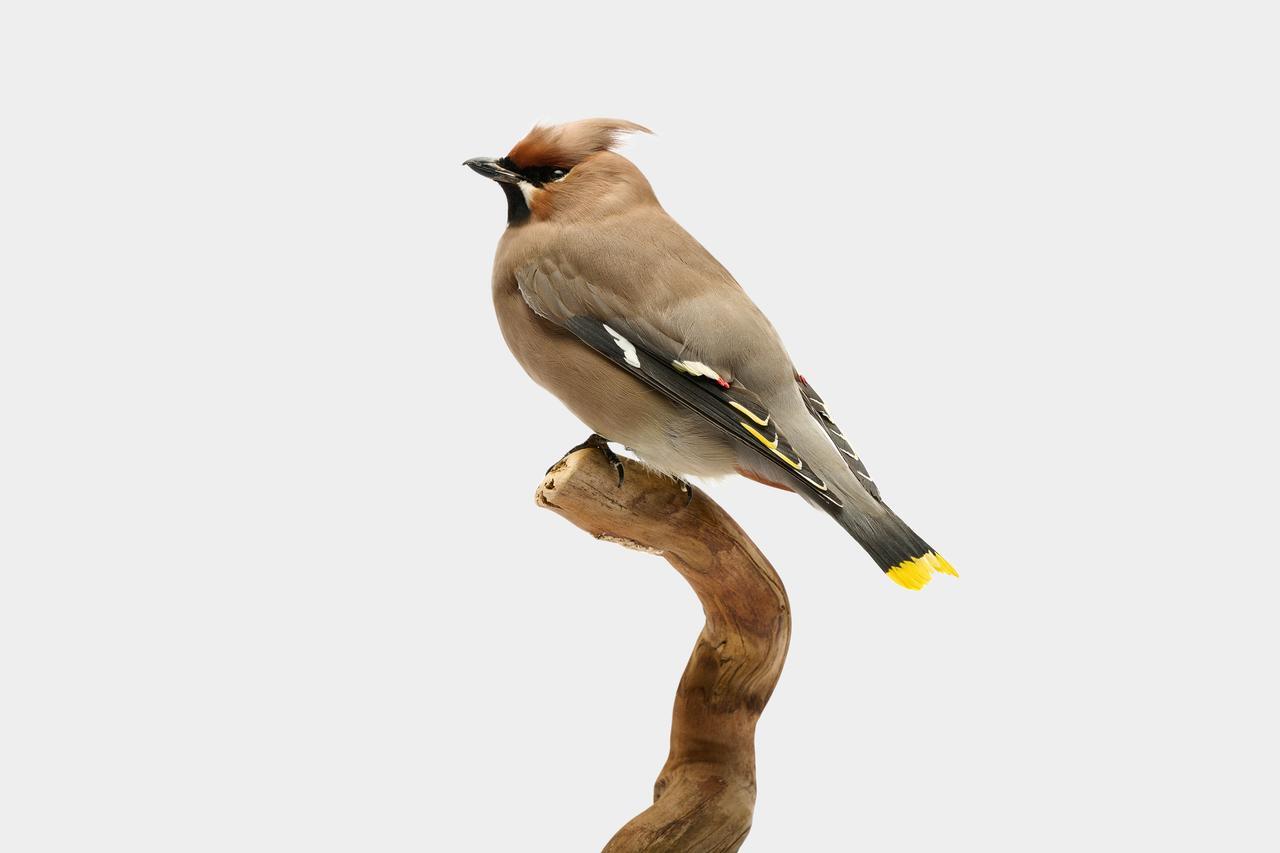
蜂鳥 標本全身支架 - Chlorostilbon sp. - 8 cm - 4 cm - 10 cm - CITES 附件2 - 歐盟內附件B - 1


00
天
18
小時
56
分鐘
09
秒

 | €200 | |
|---|---|---|
 | €120 | |
 | €100 | |
Catawiki買家保障
在您收到物品前,我們會妥善保管您的付款。查看詳情
Trustpilot評分 4.4 | 139958 則評論
在Trustpilot獲得極佳評等。
南美洲產的古董全身標本蜂鳥(標本:Hummingbird;學名:Chlorostilbon sp.),狀況良好,1880 年左右,尺寸高 8 cm、寬 4 cm、深 10 cm,重 10 g,屬於 CITES II/EU 附錄 B。
AI輔助摘要
賣家描述
Emerald Hummingbird – antique taxidermy – Chlorostilbon sp. – South America – Victorian Era – CITES Appendix II / EU Annex B
Antique taxidermy specimen of an Emerald Hummingbird, identified in the previous Catawiki documentation as Chlorostilbon sp., originating from South America.
The specimen appears to be of considerable age and is considered most consistent with the historical Victorian-era tradition of hummingbird taxidermy and collecting. The exact year of preparation and original taxidermist are unknown, and no precise date is therefore claimed.
The hummingbird was later mounted onto the present newer pedestal for display. The pedestal is not considered original to the specimen and should not be used for dating the taxidermy itself.
SPECIMEN DETAILS
Common name: Emerald Hummingbird
Scientific identification: Chlorostilbon sp.
Family: Trochilidae
Geographical origin: South America
Object: Antique full-body taxidermy specimen
Probable period: Victorian era / 19th-century taxidermy tradition
Exact preparation date: Unknown
Condition: Good antique condition
CITES: Appendix II / EU Annex B
MOUNTING
The hummingbird itself is an old taxidermy specimen. At a later and presently unknown date, it was mounted onto the current newer pedestal for display. The present pedestal is therefore not considered contemporary with the preparation of the bird. The original presentation or display arrangement of the specimen is unknown.
HISTORICAL CONTEXT
Hummingbirds became particularly desirable natural-history specimens in nineteenth-century Europe because of their extraordinary iridescent plumage, small size and exotic Central and South American origins.
During the Victorian period there was a substantial trade in hummingbird skins and prepared specimens from the Americas to Europe. They entered scientific collections and private natural-history cabinets and were also used in decorative taxidermy displays, frequently presented under glass.
British ornithologist John Gould played an important role in the Victorian fascination with hummingbirds. His celebrated exhibition at the Zoological Gardens in London in 1851 displayed approximately 1,500 mounted hummingbirds.
During the nineteenth century, individual hummingbirds as well as elaborate cases containing numerous specimens became fashionable natural-history objects. Historical examples of this tradition remain in museum and private collections today.
The appearance and construction of the present specimen are considered consistent with this historical tradition of hummingbird taxidermy. However, its early provenance has not survived and no attribution to a particular nineteenth-century taxidermist, workshop or exact year is made.
PROVENANCE
The early provenance and original taxidermist of the specimen are unknown. The current owner acquired the specimen through Catawiki in May 2022. The Catawiki seller stated at the time that he had himself previously acquired the specimen through Catawiki.
The current owner purchased the specimen through Catawiki from a seller located in Eindhoven, The Netherlands.
Catawiki order number: 26381823
Catawiki invoice number: 202202185090
Invoice date: 7 May 2022
Catawiki object number: 58252395
Seller: Brabolvo
The relevant Catawiki transaction documentation has been retained with the provenance information of the specimen.
CITES INFORMATION
Hummingbirds (family Trochilidae) are regulated under CITES. The specimen was previously identified and sold through Catawiki as Chlorostilbon sp., CITES Appendix II / EU Annex B.
As part of the collection administration and to ensure future provenance traceability, the current owner had a microchip applied to the taxidermy specimen.
Microchip number: 901021000574380
This is an existing historical taxidermy specimen currently within the European Union. Please do not bid if you are located outside the European Union (EU).
CONDITION
Good antique condition considering the apparent age of the specimen.
Signs of age, historical handling and previous mounting should be expected in an old natural-history specimen. The present pedestal is a later addition and is not represented as original to the taxidermy.
Please examine all photographs carefully before bidding, as they provide the most accurate representation of the specimen and its present condition.
Emerald Hummingbird – antique taxidermy – Chlorostilbon sp. – South America – Victorian Era – CITES Appendix II / EU Annex B
Antique taxidermy specimen of an Emerald Hummingbird, identified in the previous Catawiki documentation as Chlorostilbon sp., originating from South America.
The specimen appears to be of considerable age and is considered most consistent with the historical Victorian-era tradition of hummingbird taxidermy and collecting. The exact year of preparation and original taxidermist are unknown, and no precise date is therefore claimed.
The hummingbird was later mounted onto the present newer pedestal for display. The pedestal is not considered original to the specimen and should not be used for dating the taxidermy itself.
SPECIMEN DETAILS
Common name: Emerald Hummingbird
Scientific identification: Chlorostilbon sp.
Family: Trochilidae
Geographical origin: South America
Object: Antique full-body taxidermy specimen
Probable period: Victorian era / 19th-century taxidermy tradition
Exact preparation date: Unknown
Condition: Good antique condition
CITES: Appendix II / EU Annex B
MOUNTING
The hummingbird itself is an old taxidermy specimen. At a later and presently unknown date, it was mounted onto the current newer pedestal for display. The present pedestal is therefore not considered contemporary with the preparation of the bird. The original presentation or display arrangement of the specimen is unknown.
HISTORICAL CONTEXT
Hummingbirds became particularly desirable natural-history specimens in nineteenth-century Europe because of their extraordinary iridescent plumage, small size and exotic Central and South American origins.
During the Victorian period there was a substantial trade in hummingbird skins and prepared specimens from the Americas to Europe. They entered scientific collections and private natural-history cabinets and were also used in decorative taxidermy displays, frequently presented under glass.
British ornithologist John Gould played an important role in the Victorian fascination with hummingbirds. His celebrated exhibition at the Zoological Gardens in London in 1851 displayed approximately 1,500 mounted hummingbirds.
During the nineteenth century, individual hummingbirds as well as elaborate cases containing numerous specimens became fashionable natural-history objects. Historical examples of this tradition remain in museum and private collections today.
The appearance and construction of the present specimen are considered consistent with this historical tradition of hummingbird taxidermy. However, its early provenance has not survived and no attribution to a particular nineteenth-century taxidermist, workshop or exact year is made.
PROVENANCE
The early provenance and original taxidermist of the specimen are unknown. The current owner acquired the specimen through Catawiki in May 2022. The Catawiki seller stated at the time that he had himself previously acquired the specimen through Catawiki.
The current owner purchased the specimen through Catawiki from a seller located in Eindhoven, The Netherlands.
Catawiki order number: 26381823
Catawiki invoice number: 202202185090
Invoice date: 7 May 2022
Catawiki object number: 58252395
Seller: Brabolvo
The relevant Catawiki transaction documentation has been retained with the provenance information of the specimen.
CITES INFORMATION
Hummingbirds (family Trochilidae) are regulated under CITES. The specimen was previously identified and sold through Catawiki as Chlorostilbon sp., CITES Appendix II / EU Annex B.
As part of the collection administration and to ensure future provenance traceability, the current owner had a microchip applied to the taxidermy specimen.
Microchip number: 901021000574380
This is an existing historical taxidermy specimen currently within the European Union. Please do not bid if you are located outside the European Union (EU).
CONDITION
Good antique condition considering the apparent age of the specimen.
Signs of age, historical handling and previous mounting should be expected in an old natural-history specimen. The present pedestal is a later addition and is not represented as original to the taxidermy.
Please examine all photographs carefully before bidding, as they provide the most accurate representation of the specimen and its present condition.
詳細資料
時代
1400-1900
標本
蜂鳥
科學名稱
Chlorostilbon sp.
物品數量
1
原產國
南美
CITES相關內容
CITES 附件2 - 歐盟內附件B
狀態
良好狀態
年份
1880
重量
10 g
Height
8 cm
Width
4 cm
Depth
10 cm