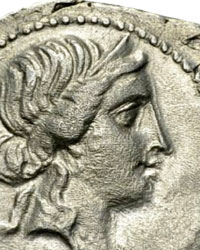
拜占庭帝國. 君士坦丁九世 (AD 1042-1055). Histamenon Nomisma Constantinople


06
天
11
小時
26
分鐘
09
秒

 | €400 | |
|---|---|---|
| €200 | |
 | €6 | |
Catawiki買家保障
在您收到物品前,我們會妥善保管您的付款。查看詳情
Trustpilot評分 4.4 | 141835 則評論
在Trustpilot獲得極佳評等。
君士坦丁九世孟莫馬斯 tetarteron 委託金幣,君士坦丁堡鑄造,金質 AV 約4 g、直徑16 mm,正面為基督全能者像,背面為戴冠的皇帝君士坦丁九世孟莫馬斯,持長旗與十字球。
AI輔助摘要
賣家描述
Constantine IX Monomachus – AV Tetarteron Nomisma
Constantinople mint, 16 mm, 4.0 g.
Obverse: Bust of Christ Pantokrator facing, nimbate, holding the Book of Gospels; legend around: ⧾ IҺ(retrograde)Γ XIC RCX RЄGNANTIm'.
Reverse: Crowned facing bust of Emperor Constantine IX Monomachus, wearing a richly jeweled chlamys, holding a labarum in his right hand and a globus cruciger in his left; legend: ⧾ CѠҺ AҺTҺ ҺOSILЄm.
Reference: Sear 1833; DOC 3.
The tetarteron nomisma was the lighter of the two principal Byzantine gold denominations of the Middle Byzantine period. Introduced under Nikephoros II Phokas in the 10th century, it circulated alongside the traditional full-weight histamenon nomisma. The tetarteron was originally approximately one-twelfth lighter than the histamenon, while initially retaining a comparable fineness of gold. Its smaller, thicker flan later also made it visually distinct from the broader and thinner histamenon.
This example belongs to a particularly important moment in the history of Byzantine monetary policy. During the reign of Constantine IX Monomachus, the centuries-long stability of the Byzantine gold currency began to give way to a more pronounced and systematic debasement. Successive issues were struck with an increasing proportion of silver in the alloy, resulting in a gradual decline in gold purity. Metallurgical studies indicate that Constantine IX’s later tetartera could contain only around 73% gold (or 65%), compared with roughly 84–85% in an earlier issue. This monetary development marked an early stage of the profound debasement that would transform Byzantine gold coinage during the second half of the 11th century.
Beyond its monetary significance, the coin presents one of the classic visual formulas of the Macedonian and post-Macedonian Byzantine tradition: Christ Pantokrator as the divine guarantor of imperial authority, paired with the frontal portrait of the emperor carrying the symbols of earthly sovereignty. Constantine’s jeweled chlamys, labarum and globus cruciger underline both the ceremonial splendour and explicitly Christian character of Byzantine imperial power.
A historically significant and highly representative gold issue of Constantine IX Monomachus, combining imperial portraiture, Christian iconography and the fascinating story of the gradual transformation of the Byzantine monetary system.
Provenance:
N&N London, Online Auction 56, 2 November 2024.
Constantine IX Monomachus – AV Tetarteron Nomisma
Constantinople mint, 16 mm, 4.0 g.
Obverse: Bust of Christ Pantokrator facing, nimbate, holding the Book of Gospels; legend around: ⧾ IҺ(retrograde)Γ XIC RCX RЄGNANTIm'.
Reverse: Crowned facing bust of Emperor Constantine IX Monomachus, wearing a richly jeweled chlamys, holding a labarum in his right hand and a globus cruciger in his left; legend: ⧾ CѠҺ AҺTҺ ҺOSILЄm.
Reference: Sear 1833; DOC 3.
The tetarteron nomisma was the lighter of the two principal Byzantine gold denominations of the Middle Byzantine period. Introduced under Nikephoros II Phokas in the 10th century, it circulated alongside the traditional full-weight histamenon nomisma. The tetarteron was originally approximately one-twelfth lighter than the histamenon, while initially retaining a comparable fineness of gold. Its smaller, thicker flan later also made it visually distinct from the broader and thinner histamenon.
This example belongs to a particularly important moment in the history of Byzantine monetary policy. During the reign of Constantine IX Monomachus, the centuries-long stability of the Byzantine gold currency began to give way to a more pronounced and systematic debasement. Successive issues were struck with an increasing proportion of silver in the alloy, resulting in a gradual decline in gold purity. Metallurgical studies indicate that Constantine IX’s later tetartera could contain only around 73% gold (or 65%), compared with roughly 84–85% in an earlier issue. This monetary development marked an early stage of the profound debasement that would transform Byzantine gold coinage during the second half of the 11th century.
Beyond its monetary significance, the coin presents one of the classic visual formulas of the Macedonian and post-Macedonian Byzantine tradition: Christ Pantokrator as the divine guarantor of imperial authority, paired with the frontal portrait of the emperor carrying the symbols of earthly sovereignty. Constantine’s jeweled chlamys, labarum and globus cruciger underline both the ceremonial splendour and explicitly Christian character of Byzantine imperial power.
A historically significant and highly representative gold issue of Constantine IX Monomachus, combining imperial portraiture, Christian iconography and the fascinating story of the gradual transformation of the Byzantine monetary system.
Provenance:
N&N London, Online Auction 56, 2 November 2024.
詳細資料
時代
1400年前
重量
4 g
文化/地區
拜占庭帝國
額外資料
Constantinople
統治者
君士坦丁九世 (AD 1042-1055)
Denomination
Histamenon Nomisma
金屬
AV
狀態
未分類