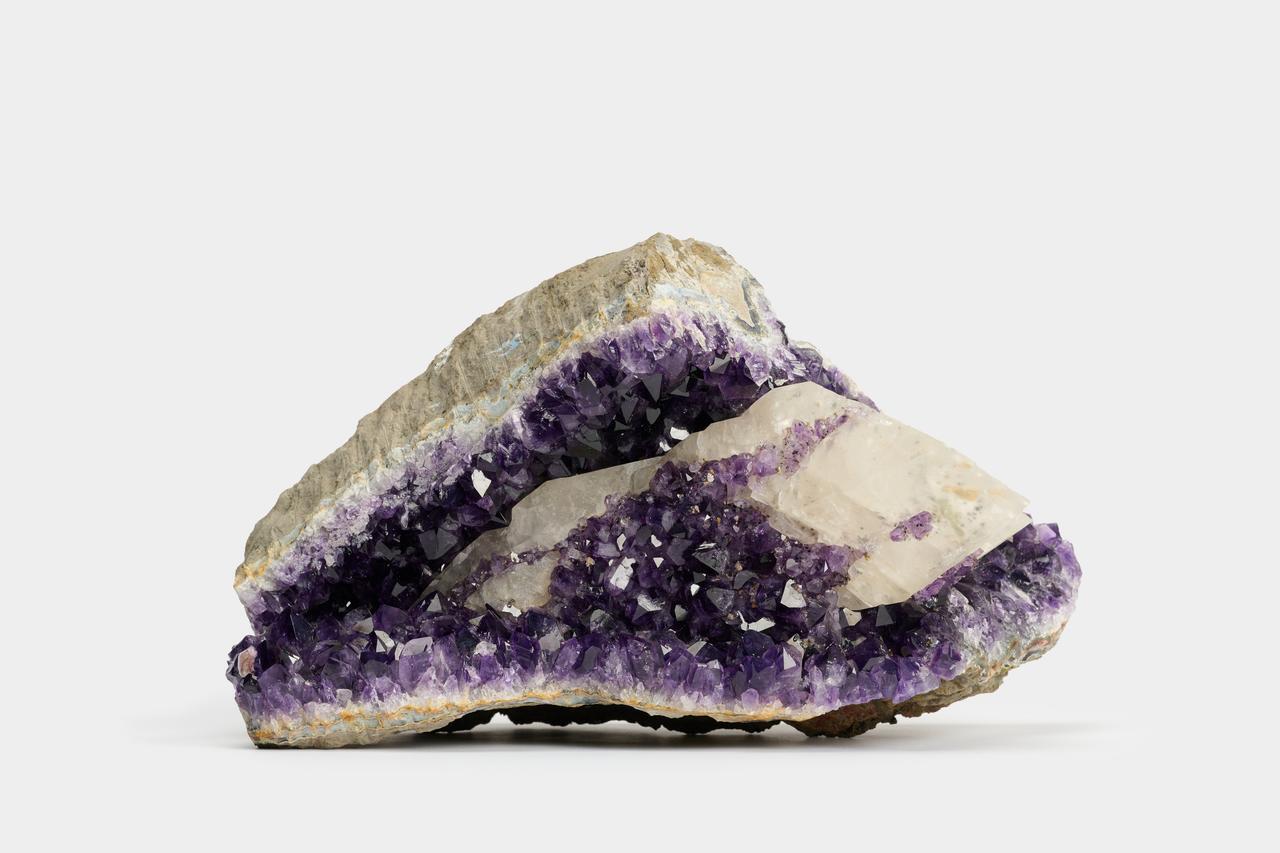
雕刻的 Septarian Nodule——大地色调 大型七方纹理晶洞蛋 - 高度: 240 mm - 闊度: 185 mm- 8955 g - (1)


03
天
17
小時
49
分鐘
50
秒

 | €1 |
|---|
Catawiki買家保障
在您收到物品前,我們會妥善保管您的付款。查看詳情
Trustpilot評分 4.4 | 141948 則評論
在Trustpilot獲得極佳評等。
馬達加斯加出產的地質八面地洞飾以泥色調,為大型卵形地透晶洞,稱作Dragon Stone。
AI輔助摘要
賣家描述
一件宏伟的地质雕刻品,内部闪耀——这件宏伟的样品 represents a septaria( fossilized mud concretion ) meticulously carved into an egg shape, originating from Madagascar. The septaria is a sedimentary formation formed during diagenesis of mud nodules rich in organic matter, developing a network of shrinkage fractures (sineresis) that are subsequently filled with secondary minerals, predominantly calcite, aragonite and sometimes pyrite, giving the characteristic “mosaic” or “turtle shell” surface on the polished exterior. The geode-like formation results from internal cavities lined with crystals. The external surface, carefully polished, reveals an elegant tapestry of colors ranging from warm beige and cream tones, interwoven with dark veins of claystone and chalcedony, defining a distinctive, almost pictorial pattern. The dark lines, often branched, indicate geological contraction and mineral filling processes that affected the primary nodule. The ovular carving enhances the natural symmetry of the formation, presenting a smooth, pleasant-to-the-touch finish. The opening reveals a spectacular geode cavity lined with a druzy of glittering microcrystals. Although the legacy description mentions calcite and aragonite, the visual appearance of the internal crystals suggests a possible presence of crystalline calcite or, in some septaria variants, even microcrystalline quartz that creates a reflective brilliance. This crystalline cavity creates a deep contrast with the outer surface, which is more matte and structured, offering a double visual and aesthetic experience. The considerable dimensions of the specimen (240 mm in height and nearly 9 kg in weight) classify it as a piece of notable importance for any collection. The execution of the carving, which has managed to enhance the septaria’s natural features, combined with the inner geode’s brilliance, makes this object a focal point in any display setting, be it a museum, gallery, or private collection. The integrity of the ovular shape, combined with the structural stability of the mineral inclusions, guarantees long-term preservation. Madagascar, renowned for the quality and variety of its mineral formations, adds an additional layer of geological and collecting value. The septaria’s complex genesis, including sedimentation, diagenesis, and hydrothermal crystallization in the fractures, testifies to millions of years of geological history. This specimen is not merely a decorative object but a true window into the Earth’s formative processes, ideal for discerning collectors and gem and mineral enthusiasts with a deep story to tell. The preservation state is excellent, with no signs of damage or significant restorations, presenting its structural integrity and original beauty. The contrast between the sedimentary matrix, the dark veins, and the internal crystal druzy offers a dynamic visual experience, highlighting the intrinsic beauty and geological exceptionalism of this material.
賣家的故事
礦物藝術畫廊提供礦物、化石、貝殼和自然元素。
她於 2017 年出生於意大利,如今與國際畫廊和收藏家合作,她是大型礦物和自然主義收藏元素的直接進口商;處理將它們插入生活空間的處理。畫廊的一部分專門用於 Wunderkammer,“奇蹟室或好奇櫃”,其中展示了 Mirabilia 元素:naturalia 和 italiania,“現在是過去”之間的結合。
所有拍品均通過 DHL Express 和 Fercam 快遞公司運送,並提供投保包裹和追踪服務。
由Google翻譯翻譯一件宏伟的地质雕刻品,内部闪耀——这件宏伟的样品 represents a septaria( fossilized mud concretion ) meticulously carved into an egg shape, originating from Madagascar. The septaria is a sedimentary formation formed during diagenesis of mud nodules rich in organic matter, developing a network of shrinkage fractures (sineresis) that are subsequently filled with secondary minerals, predominantly calcite, aragonite and sometimes pyrite, giving the characteristic “mosaic” or “turtle shell” surface on the polished exterior. The geode-like formation results from internal cavities lined with crystals. The external surface, carefully polished, reveals an elegant tapestry of colors ranging from warm beige and cream tones, interwoven with dark veins of claystone and chalcedony, defining a distinctive, almost pictorial pattern. The dark lines, often branched, indicate geological contraction and mineral filling processes that affected the primary nodule. The ovular carving enhances the natural symmetry of the formation, presenting a smooth, pleasant-to-the-touch finish. The opening reveals a spectacular geode cavity lined with a druzy of glittering microcrystals. Although the legacy description mentions calcite and aragonite, the visual appearance of the internal crystals suggests a possible presence of crystalline calcite or, in some septaria variants, even microcrystalline quartz that creates a reflective brilliance. This crystalline cavity creates a deep contrast with the outer surface, which is more matte and structured, offering a double visual and aesthetic experience. The considerable dimensions of the specimen (240 mm in height and nearly 9 kg in weight) classify it as a piece of notable importance for any collection. The execution of the carving, which has managed to enhance the septaria’s natural features, combined with the inner geode’s brilliance, makes this object a focal point in any display setting, be it a museum, gallery, or private collection. The integrity of the ovular shape, combined with the structural stability of the mineral inclusions, guarantees long-term preservation. Madagascar, renowned for the quality and variety of its mineral formations, adds an additional layer of geological and collecting value. The septaria’s complex genesis, including sedimentation, diagenesis, and hydrothermal crystallization in the fractures, testifies to millions of years of geological history. This specimen is not merely a decorative object but a true window into the Earth’s formative processes, ideal for discerning collectors and gem and mineral enthusiasts with a deep story to tell. The preservation state is excellent, with no signs of damage or significant restorations, presenting its structural integrity and original beauty. The contrast between the sedimentary matrix, the dark veins, and the internal crystal druzy offers a dynamic visual experience, highlighting the intrinsic beauty and geological exceptionalism of this material.
賣家的故事
礦物藝術畫廊提供礦物、化石、貝殼和自然元素。
她於 2017 年出生於意大利,如今與國際畫廊和收藏家合作,她是大型礦物和自然主義收藏元素的直接進口商;處理將它們插入生活空間的處理。畫廊的一部分專門用於 Wunderkammer,“奇蹟室或好奇櫃”,其中展示了 Mirabilia 元素:naturalia 和 italiania,“現在是過去”之間的結合。
所有拍品均通過 DHL Express 和 Fercam 快遞公司運送,並提供投保包裹和追踪服務。
由Google翻譯翻譯詳細資料
物品數量
1
主要物質
Carved Septarian Nodule- Earth Tones
礦物成分
Large Septarian Geode Egg
補給品
Carved Septarian Geode Egg - Dragon Stone
重量
8955 g
原產國
馬達加斯加
Height
240 mm
Width
185 mm
Depth
185 mm