日本萩陶茶碗 — “Midori” - 陶瓷 - Nobuo Tomehara 止原伸郎 (b.1946) - 日本 - 昭和年代(1926-1989)


03
天
14
小時
09
分鐘
02
秒

另有7人對此物品感興趣
 競投者 2681 競投者 2681 | €5 |
|---|
Catawiki買家保障
在您收到物品前,我們會妥善保管您的付款。查看詳情
Trustpilot評分 4.4 | 121798 則評論
在Trustpilot獲得極佳評等。
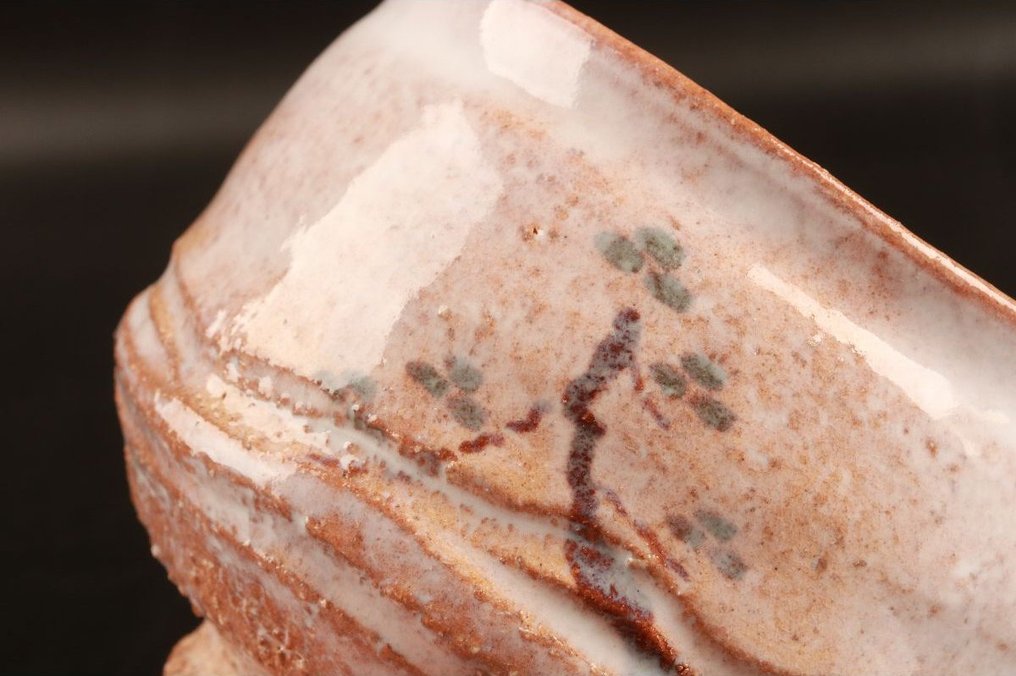
昭和時期萩燒茶碗,作者是止原伸郎,名為 Midori,附原裝木箱,品相極佳,適合茶道愛好者與陶瓷收藏家。
AI輔助摘要
賣家描述
This is an exquisite Hagi ware tea bowl (萩焼茶碗), handcrafted by the accomplished Japanese ceramic artist Nobuo Tomehara (止原伸郎) of the renowned Dowa Kiln (土和窯). The bowl carries the poetic name "Midori" (みどり), meaning “green,” elegantly inscribed inside the lid of the original wooden storage box (tomobako), accompanied by the artist’s signature and red seal.
The tea bowl exhibits the quintessential characteristics of Hagi ware, with a soft, milky-white glaze overlaying warm reddish-brown clay. The gentle, natural transition of color and texture, combined with subtle unevenness in the glaze, reflects the philosophy of wabi-sabi—the Japanese aesthetic of imperfection and impermanence. The bowl sits on a boldly carved three-legged foot, giving it both visual strength and a sense of organic balance. A stamped seal on the base further authenticates the artist’s hand.
Upon closer inspection, one can observe fine crackling (kannyu) within the glaze, which is expected to deepen in character with regular use, in accordance with the tradition of “nanabake” (the seven transformations of Hagi ware). These changes are highly prized in the tea ceremony world, where the bowl becomes more beautiful with age and use.
Included with the tea bowl are:
・Original signed and titled wooden box (tomobako)
・Yellow protective cloth with red seal
・Artist profile leaflet and care instructions in Japanese
・Distributor leaflet from Maruichi Tōen
Condition Note:
The tea bowl is in excellent condition, free from any cracks, chips, or repairs.
Please note: The wooden box shows noticeable signs of aging, including surface scratches, a small dent on the edge of the lid, and some staining on the outer panels. These are cosmetic and do not impact the structural integrity or function of the box, but are noted for accuracy.
About Hagi ware (萩焼)
Hagi ware is a traditional style of Japanese pottery that originated in the early 17th century in Hagi, Yamaguchi Prefecture. Strongly influenced by Korean pottery brought over during the Momoyama period, Hagi ware has earned a revered place in the world of Japanese tea ceremony for its simplicity, warmth, and understated beauty.
One of the most celebrated characteristics of Hagi ware is its unique glazing technique. The soft, muted glazes often show fine crackling (kannyu), and with use, tea slowly seeps into these minute cracks. Over time, this causes subtle changes in color and texture—an aging process known as nanabake ("seven transformations"). This transformation is not seen as deterioration but rather as a deepening of character, making the piece more beautiful and meaningful with use.
Hagi ware is typically made from a mixture of three local clays, producing a slightly porous body that allows the glaze to interact intimately with the surface beneath. The aesthetic is rooted in wabi-sabi, the Japanese philosophy that embraces imperfection, impermanence, and authenticity.
Because of these qualities, Hagi ware has long been favored by tea masters and practitioners of chanoyu (the Japanese tea ceremony). No two pieces are ever exactly alike, and each reflects both the hand of the potter and the evolving spirit of its use. Hagi ware is not only a vessel but a living, breathing piece of ceramic art.
About Nobuo Tomehara (止原伸郎)
Nobuo Tomehara was born in 1946 in Kyoto, a city with deep roots in traditional Japanese craftsmanship. After studying under master potters and immersing himself in classical ceramic techniques, he relocated to Hagi, Yamaguchi Prefecture, where he established his career at the Dowa Kiln (土和窯)—a respected Hagi ware studio that carries on over 380 years of tradition.
Hagi ware (Hagi-yaki) is one of Japan's most cherished forms of pottery, historically favored by tea masters for its warmth, subtle textures, and the unique way its appearance evolves over time. Tomehara's work embodies this legacy while also introducing a refined modern sensibility. His pieces often reflect careful attention to form, balanced footwork, and expertly layered glazes that evoke landscapes and natural flow.
Tomehara's creations are highly appreciated not only by practitioners of the Japanese tea ceremony (chanoyu) but also by collectors who seek out authentic, signed works that represent the true spirit of Japanese ceramic heritage. His seal and signature are widely recognized among connoisseurs of Hagi ware.
Today, Tomehara continues to produce work from his kiln, contributing to the enduring legacy of Hagi pottery and maintaining the delicate balance between tradition and innovation.
Shipping / Policy
Carefully packaged and shipped from Japan by Japan Post or DHL with tracking.
If you purchase multiple items, combined shipping is available. Please contact us if needed.
Import duties, VAT (or equivalent consumption tax), and any other fees are the responsibility of the buyer.
Guarantee
Our shop is a licensed antiques dealer in Japan.
We guarantee the authenticity of this work.
賣家的故事
由Google翻譯翻譯This is an exquisite Hagi ware tea bowl (萩焼茶碗), handcrafted by the accomplished Japanese ceramic artist Nobuo Tomehara (止原伸郎) of the renowned Dowa Kiln (土和窯). The bowl carries the poetic name "Midori" (みどり), meaning “green,” elegantly inscribed inside the lid of the original wooden storage box (tomobako), accompanied by the artist’s signature and red seal.
The tea bowl exhibits the quintessential characteristics of Hagi ware, with a soft, milky-white glaze overlaying warm reddish-brown clay. The gentle, natural transition of color and texture, combined with subtle unevenness in the glaze, reflects the philosophy of wabi-sabi—the Japanese aesthetic of imperfection and impermanence. The bowl sits on a boldly carved three-legged foot, giving it both visual strength and a sense of organic balance. A stamped seal on the base further authenticates the artist’s hand.
Upon closer inspection, one can observe fine crackling (kannyu) within the glaze, which is expected to deepen in character with regular use, in accordance with the tradition of “nanabake” (the seven transformations of Hagi ware). These changes are highly prized in the tea ceremony world, where the bowl becomes more beautiful with age and use.
Included with the tea bowl are:
・Original signed and titled wooden box (tomobako)
・Yellow protective cloth with red seal
・Artist profile leaflet and care instructions in Japanese
・Distributor leaflet from Maruichi Tōen
Condition Note:
The tea bowl is in excellent condition, free from any cracks, chips, or repairs.
Please note: The wooden box shows noticeable signs of aging, including surface scratches, a small dent on the edge of the lid, and some staining on the outer panels. These are cosmetic and do not impact the structural integrity or function of the box, but are noted for accuracy.
About Hagi ware (萩焼)
Hagi ware is a traditional style of Japanese pottery that originated in the early 17th century in Hagi, Yamaguchi Prefecture. Strongly influenced by Korean pottery brought over during the Momoyama period, Hagi ware has earned a revered place in the world of Japanese tea ceremony for its simplicity, warmth, and understated beauty.
One of the most celebrated characteristics of Hagi ware is its unique glazing technique. The soft, muted glazes often show fine crackling (kannyu), and with use, tea slowly seeps into these minute cracks. Over time, this causes subtle changes in color and texture—an aging process known as nanabake ("seven transformations"). This transformation is not seen as deterioration but rather as a deepening of character, making the piece more beautiful and meaningful with use.
Hagi ware is typically made from a mixture of three local clays, producing a slightly porous body that allows the glaze to interact intimately with the surface beneath. The aesthetic is rooted in wabi-sabi, the Japanese philosophy that embraces imperfection, impermanence, and authenticity.
Because of these qualities, Hagi ware has long been favored by tea masters and practitioners of chanoyu (the Japanese tea ceremony). No two pieces are ever exactly alike, and each reflects both the hand of the potter and the evolving spirit of its use. Hagi ware is not only a vessel but a living, breathing piece of ceramic art.
About Nobuo Tomehara (止原伸郎)
Nobuo Tomehara was born in 1946 in Kyoto, a city with deep roots in traditional Japanese craftsmanship. After studying under master potters and immersing himself in classical ceramic techniques, he relocated to Hagi, Yamaguchi Prefecture, where he established his career at the Dowa Kiln (土和窯)—a respected Hagi ware studio that carries on over 380 years of tradition.
Hagi ware (Hagi-yaki) is one of Japan's most cherished forms of pottery, historically favored by tea masters for its warmth, subtle textures, and the unique way its appearance evolves over time. Tomehara's work embodies this legacy while also introducing a refined modern sensibility. His pieces often reflect careful attention to form, balanced footwork, and expertly layered glazes that evoke landscapes and natural flow.
Tomehara's creations are highly appreciated not only by practitioners of the Japanese tea ceremony (chanoyu) but also by collectors who seek out authentic, signed works that represent the true spirit of Japanese ceramic heritage. His seal and signature are widely recognized among connoisseurs of Hagi ware.
Today, Tomehara continues to produce work from his kiln, contributing to the enduring legacy of Hagi pottery and maintaining the delicate balance between tradition and innovation.
Shipping / Policy
Carefully packaged and shipped from Japan by Japan Post or DHL with tracking.
If you purchase multiple items, combined shipping is available. Please contact us if needed.
Import duties, VAT (or equivalent consumption tax), and any other fees are the responsibility of the buyer.
Guarantee
Our shop is a licensed antiques dealer in Japan.
We guarantee the authenticity of this work.
賣家的故事
由Google翻譯翻譯詳細資料
朝代風格/時期
昭和年代(1926-1989)
物品數量
1
藝術家
Nobuo Tomehara 止原伸郎 (b.1946)
原產國
日本
物料
陶瓷
Height
9,7 cm
Width
12,2 cm
藝術品標題
Japanese Hagi Pottery Tea Bowl — "Midori"
Depth
12,2 cm
Condition
極佳狀態
