美索不達米亞 陶器 基础砖 (沒有保留價)


02
天
06
小時
39
分鐘
57
秒

另有26人對此物品感興趣
 競投者 5288 競投者 5288 | €4 | |
|---|---|---|
 競投者 1482 競投者 1482 | €3 | |
 競投者 3729 競投者 3729 | €2 | |
Catawiki買家保障
在您收到物品前,我們會妥善保管您的付款。查看詳情
Trustpilot評分 4.4 | 121899 則評論
在Trustpilot獲得極佳評等。
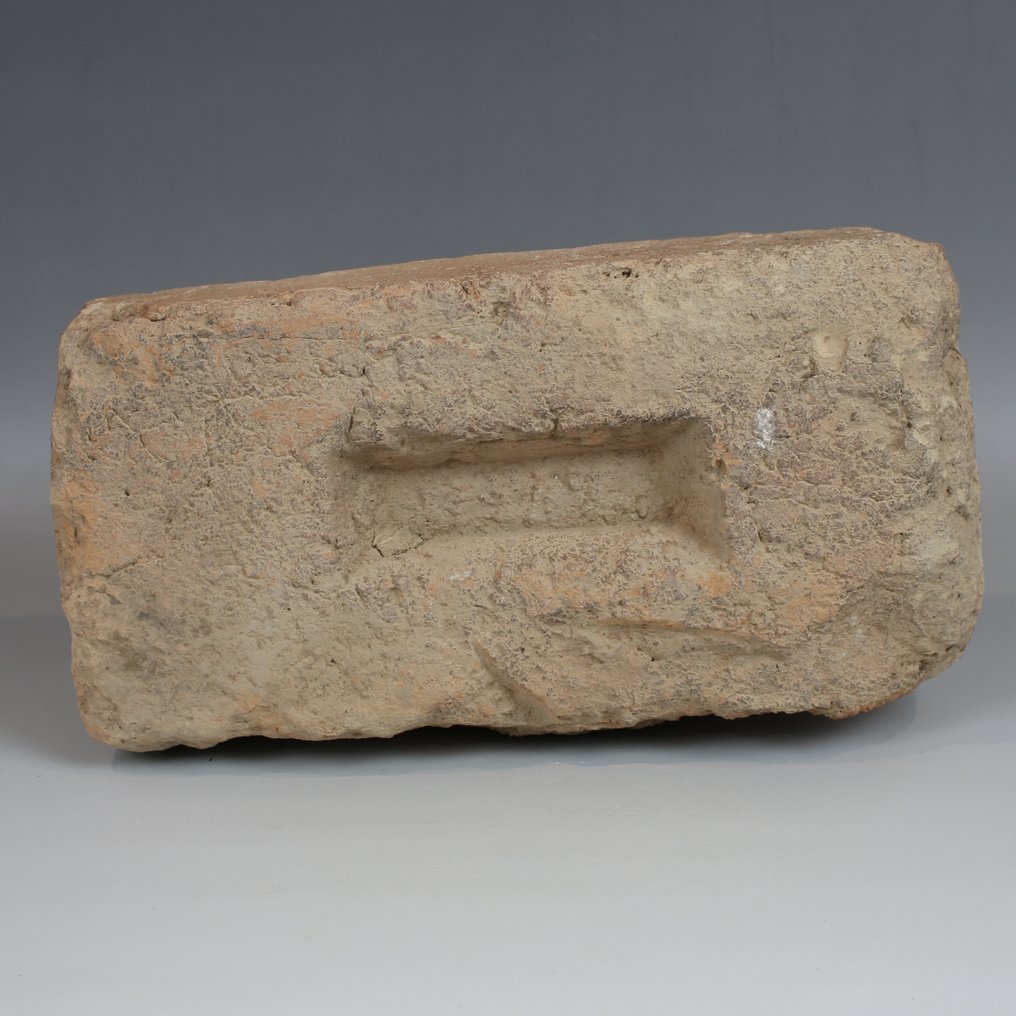
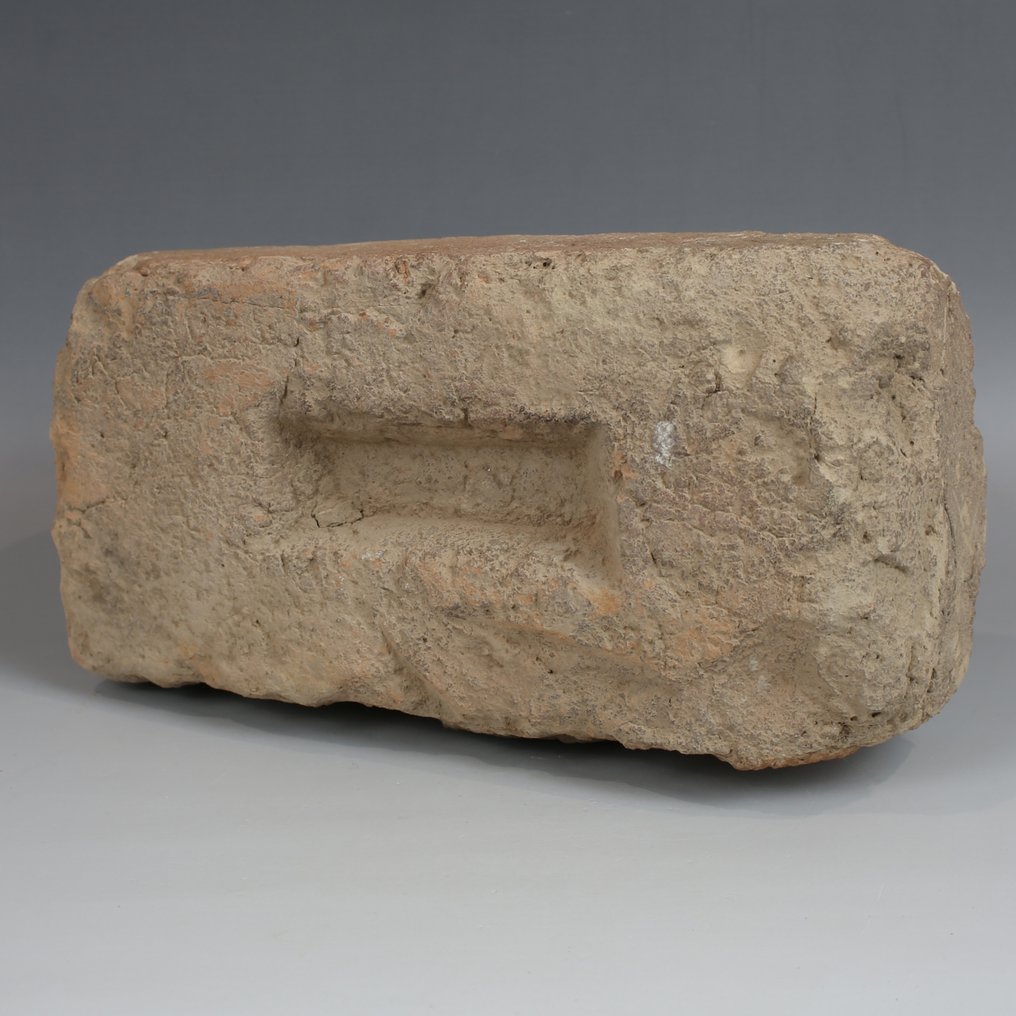
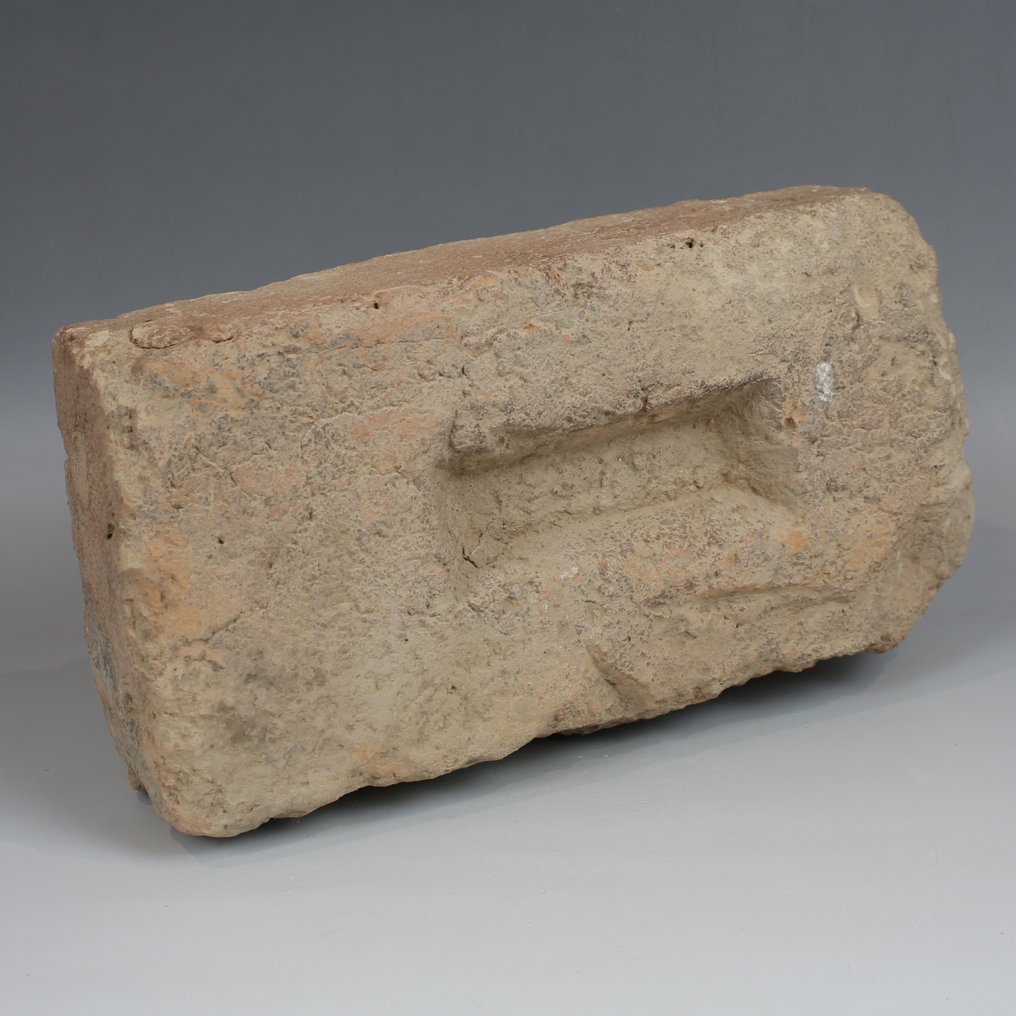
美索不達米亞文化 foundation brick,公元前3千年至前2千年的陶器製,尺寸120 mm×225 mm×72 mm,品相良好;於2025年自德國私人收藏取得,附真實性證明與歐盟出口許可。
AI輔助摘要
賣家描述
ITEM: Foundation brick
MATERIAL: Pottery
CULTURE: Mesopotamian
PERIOD: 3rd - 2nd millenium B.C
DIMENSIONS: 120 mm x 225 mm x 72 mm
CONDITION: Good condition. Includes scanned document from Artonline (see last picture)
PROVENANCE: Ex German private collection, F.B., acquired in Artonline, France, 2022. Ex German private collection, Lux, 2019.
Comes with Certificate of Authenticity and European Union export license
If you bid outside European Union and win the item, we must request a new export license to your country and the shipment will delay between 3 - 5 weeks.
The Mesopotamian foundation brick, often found in temples and palaces, served as a crucial votive and documentary object in ancient Near Eastern construction practices. Rather than just being a structural component, these special bricks or foundation deposits were ritually placed beneath the structure's foundations—particularly at corners, doorways, or perimeters. This practice was deeply intertwined with the ideology of kingship and the divine world. By embedding inscribed bricks or figures (sometimes in clay boxes) into the earth, the king sought to secure the favor and protection of the gods for the new building and to symbolically anchor the structure to the sacred ground
What distinguishes a Mesopotamian foundation brick is the presence of an inscription, typically written in Sumerian or Akkadian cuneiform. These texts invariably record the name and titles of the ruling monarch, the name of the deity the temple was dedicated to, and details about the building project, such as the construction or restoration of the temple. For example, bricks from the Ur III period often bear the name of King Ur-Nammu, celebrating his building works and his title "King of Sumer and Akkad." These inscriptions functioned as a perpetual record of the king's piety and power, ensuring his name would be remembered by the gods and by future rulers who might uncover the deposit during subsequent building phases.
Foundation bricks were a small, but ritually significant, part of the wider Mesopotamian architectural tradition which relied heavily on brick construction, as stone was scarce in the region. Most buildings used sun-dried mud bricks, which led to a cycle of decay, leveling, and rebuilding on the same site over centuries, resulting in raised mounds known as tells. Foundation deposits—which included both inscribed bricks and figures (like foundation pegs depicting the king carrying a basket of earth)—were integral to this cycle. They connected the ruler, the structure, and the divine mandate, proclaiming that the king was obedient to the gods' architectural wishes, thus guaranteeing the community's prosperity and the building's spiritual integrity.
賣家的故事
您的古董商提供古代藝術品和古錢幣。我們的主要目標是以最優惠的價格提供最高的質量,尊重並嚴格遵守遺產保護法和聯合國教科文組織遺產規範。因此,出版的作品全部來自可查出處的私人收藏或國際拍賣。我們所有的古物和硬幣都附有真品證書。我們有 90 天無條件退貨政策。在 Your Antiquarian,我們致力於幫助弱勢群體,因此每次購買的產品都會捐贈一部分給慈善機構,以幫助有需要的人。
由Google翻譯翻譯ITEM: Foundation brick
MATERIAL: Pottery
CULTURE: Mesopotamian
PERIOD: 3rd - 2nd millenium B.C
DIMENSIONS: 120 mm x 225 mm x 72 mm
CONDITION: Good condition. Includes scanned document from Artonline (see last picture)
PROVENANCE: Ex German private collection, F.B., acquired in Artonline, France, 2022. Ex German private collection, Lux, 2019.
Comes with Certificate of Authenticity and European Union export license
If you bid outside European Union and win the item, we must request a new export license to your country and the shipment will delay between 3 - 5 weeks.
The Mesopotamian foundation brick, often found in temples and palaces, served as a crucial votive and documentary object in ancient Near Eastern construction practices. Rather than just being a structural component, these special bricks or foundation deposits were ritually placed beneath the structure's foundations—particularly at corners, doorways, or perimeters. This practice was deeply intertwined with the ideology of kingship and the divine world. By embedding inscribed bricks or figures (sometimes in clay boxes) into the earth, the king sought to secure the favor and protection of the gods for the new building and to symbolically anchor the structure to the sacred ground
What distinguishes a Mesopotamian foundation brick is the presence of an inscription, typically written in Sumerian or Akkadian cuneiform. These texts invariably record the name and titles of the ruling monarch, the name of the deity the temple was dedicated to, and details about the building project, such as the construction or restoration of the temple. For example, bricks from the Ur III period often bear the name of King Ur-Nammu, celebrating his building works and his title "King of Sumer and Akkad." These inscriptions functioned as a perpetual record of the king's piety and power, ensuring his name would be remembered by the gods and by future rulers who might uncover the deposit during subsequent building phases.
Foundation bricks were a small, but ritually significant, part of the wider Mesopotamian architectural tradition which relied heavily on brick construction, as stone was scarce in the region. Most buildings used sun-dried mud bricks, which led to a cycle of decay, leveling, and rebuilding on the same site over centuries, resulting in raised mounds known as tells. Foundation deposits—which included both inscribed bricks and figures (like foundation pegs depicting the king carrying a basket of earth)—were integral to this cycle. They connected the ruler, the structure, and the divine mandate, proclaiming that the king was obedient to the gods' architectural wishes, thus guaranteeing the community's prosperity and the building's spiritual integrity.
賣家的故事
您的古董商提供古代藝術品和古錢幣。我們的主要目標是以最優惠的價格提供最高的質量,尊重並嚴格遵守遺產保護法和聯合國教科文組織遺產規範。因此,出版的作品全部來自可查出處的私人收藏或國際拍賣。我們所有的古物和硬幣都附有真品證書。我們有 90 天無條件退貨政策。在 Your Antiquarian,我們致力於幫助弱勢群體,因此每次購買的產品都會捐贈一部分給慈善機構,以幫助有需要的人。
由Google翻譯翻譯詳細資料
文化
美索不達米亞
世紀/時間框架
3rd - 2nd millenium B.C
Name of object
Foundation brick
獲得來源
私人收藏
獲得年份
2025
材質
陶器
獲得國家
德國
狀態
好
前任擁有者獲得來源
畫廊/古董商
前任擁有者獲得年份
2022
前任擁有者獲得國家
法國
我保證此物品為合法取得,且本人有權出售。
是
免責聲明
Catawiki已告知賣家有關文件的要求,賣家須保證如下: - 物品為合法獲得; - 賣家有權出售和/或出口相關物品; - 賣家依據當地法規(如適用)提供必要的原產地資訊,並辦理所需文件和許可證/執照; - 若許可證/執照的取得發生任何延誤,賣家須通知買家。 參與競標即表示您知悉,根據您的居住國,可能需要進口文件,而取得許可證/執照可能導致您的物品延遲交付。
Catawiki已告知賣家有關文件的要求,賣家須保證如下: - 物品為合法獲得; - 賣家有權出售和/或出口相關物品; - 賣家依據當地法規(如適用)提供必要的原產地資訊,並辦理所需文件和許可證/執照; - 若許可證/執照的取得發生任何延誤,賣家須通知買家。 參與競標即表示您知悉,根據您的居住國,可能需要進口文件,而取得許可證/執照可能導致您的物品延遲交付。
